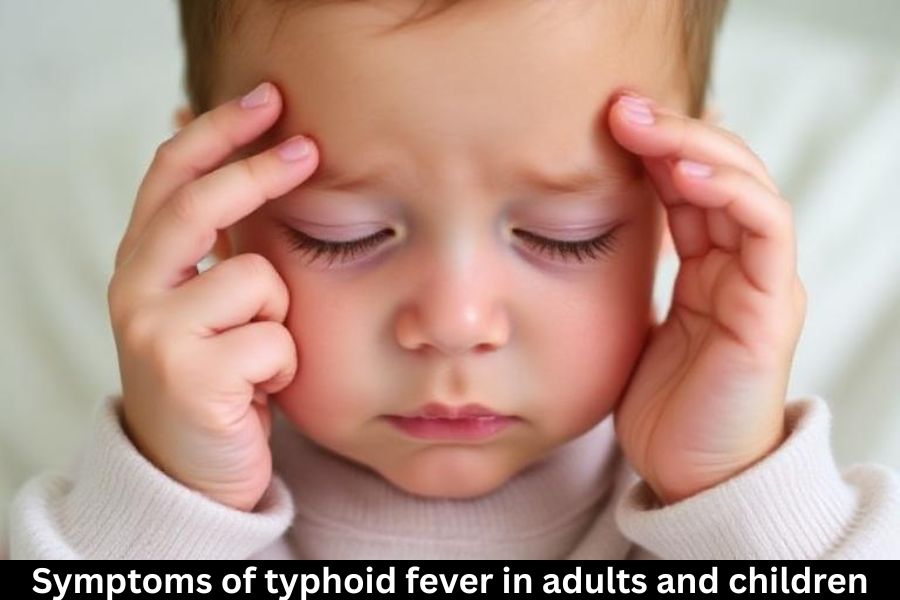
Typhoid fever, while not as common in many developed countries, still poses a significant health risk in certain regions, especially in parts of Asia, Africa, and Latin America. This bacterial infection, caused by Salmonella Typhi, can be life-threatening if not treated properly. Recognizing the symptoms of typhoid fever early can make a huge difference in recovery. In this article, we’ll explore the symptoms of typhoid fever in both adults and children, helping you understand what to look out for and when to seek medical attention.
What is Typhoid Fever?
Typhoid fever is a bacterial infection that typically affects the intestines and bloodstream. It’s caused by the bacteria Salmonella Typhi and is transmitted through contaminated food or water, or close contact with an infected person. The symptoms often begin gradually, and if left untreated, the infection can lead to serious complications, such as internal bleeding or organ failure.
Symptoms of Typhoid Fever in Adults
Typhoid fever in adults can vary in intensity, but the general symptoms include:
1. Early Warning Signs
In adults, the infection often starts with mild symptoms that can be mistaken for other illnesses, such as a common cold or flu. These include:
- Fever that increases over several days
- Malaise (general feeling of discomfort)
- Fatigue
2. Fever and Fatigue
One of the hallmark signs of typhoid fever is a persistent, high fever, which can range from 102°F to 104°F (38.9°C to 40°C). This fever is usually accompanied by a feeling of extreme tiredness or fatigue, making even normal activities feel exhausting.
3. Gastrointestinal Symptoms
Adults often experience gastrointestinal symptoms, including:
- Abdominal pain and discomfort
- Diarrhea or constipation
- Nausea and vomiting
- Loss of appetite
These symptoms may come and go, making it hard to pinpoint exactly what’s happening at first.
4. Skin Rashes (Rose Spots)
In some cases, small, flat, rose-colored spots may appear on the abdomen or chest. These are known as “rose spots,” and while not everyone with typhoid fever will develop them, they can be a key indicator.
5. Mental Status Changes
As the infection worsens, some adults may experience mental confusion, delirium, or a “typhoid state,” where they appear disoriented or unable to respond to their surroundings.
Symptoms of Typhoid Fever in Children
Children tend to have slightly different symptoms than adults, though there is considerable overlap. Understanding how typhoid fever presents in children is critical for early intervention.
1. Early Signs in Children vs. Adults
While children typically exhibit the same fever and gastrointestinal symptoms as adults, they may also show:
- More irritability or fussiness
- Loss of interest in food and play
- Dehydration from vomiting and diarrhea
2. Differences in Symptom Severity
Typhoid fever can be more dangerous for children, especially those under the age of five. Their immune systems are still developing, which may make it harder for them to fight off the infection. As a result, symptoms may progress more quickly, and complications are more likely.
3. Potential Complications in Children
Complications such as intestinal perforation or septic shock are more common in children and can escalate rapidly if left untreated. Parents should seek immediate medical care if symptoms worsen or if the child is unable to keep fluids down.
Common vs. Rare Symptoms
1. Most Common Symptoms
Across all ages, the most common symptoms of typhoid fever include:
- High fever
- Abdominal pain
- Fatigue
- Diarrhea or constipation
2. Less Frequent, but Serious Symptoms
Less common symptoms can include:
- Bloody stools or vomiting
- Severe headaches
- Muscle pain
- Enlarged liver or spleen
These symptoms may indicate that the infection has spread or worsened, requiring immediate medical attention.
Why Are Symptoms Different in Children?
Children’s immune systems react differently to infections than adults. Younger children may have more difficulty fighting off infections, leading to more severe symptoms and complications. Additionally, the presentation of symptoms can vary due to factors like age, general health, and nutritional status.
Diagnosis of Typhoid Fever
To confirm a case of typhoid fever, doctors rely on:
- Blood tests: To detect Salmonella Typhi bacteria in the bloodstream
- Stool and urine cultures: To confirm the presence of the bacteria
- Bone marrow biopsy: In rare cases, doctors may need to examine bone marrow if other tests are inconclusive
Early diagnosis is crucial, as it ensures that treatment begins before complications can arise.
Treatment of Typhoid Fever
1. Antibiotics and Other Medical Treatments
The primary treatment for typhoid fever is a course of antibiotics, such as ciprofloxacin or azithromycin. In severe cases, hospitalization may be required for intravenous fluids and more intensive care. It’s essential to complete the entire course of antibiotics to prevent relapse.
2. Home Care vs. Hospitalization
For mild cases, adults and children may recover at home with proper hydration and rest. However, if symptoms are severe, especially in children, hospitalization may be necessary to manage complications.
Complications of Untreated Typhoid Fever
If typhoid fever is not treated promptly, it can lead to serious complications, such as:
- Intestinal perforation: A hole in the intestine, which can lead to sepsis.
- Internal bleeding: Especially in the intestines.
- Organ failure: If the infection spreads to other organs, such as the liver or kidneys.
Children are at higher risk for these complications, which is why timely treatment is critical.
Preventing Typhoid Fever
1. Vaccination
The best preventive measure against typhoid fever is vaccination. There are two types of vaccines available: oral and injectable. These vaccines are recommended for travelers to high-risk areas.
2. Hygiene and Food Safety Tips
To prevent typhoid fever:
- Wash hands frequently with soap and water.
- Drink clean, filtered water.
- Avoid raw or undercooked food.
- Ensure food is prepared in hygienic conditions.
When to Seek Medical Help
If you or your child develops symptoms of typhoid fever, seek medical attention as soon as possible. Early treatment can prevent complications and speed up recovery. Some red flags that require immediate medical attention include:
- Persistent high fever
- Severe abdominal pain or bloating
- Bloody stools or vomit
- Excessive drowsiness or confusion
Duration and Recovery Time
The duration of typhoid fever depends on how quickly treatment is started. With proper antibiotic treatment, recovery usually takes between 7 to 10 days. However, the full recovery period may be longer, especially for children who are more vulnerable to complications.
Typhoid Fever in Different Countries
Typhoid fever is most prevalent in developing countries with poor sanitation and limited access to clean water. Travelers to high-risk regions should take precautions to prevent infection.
Living with Typhoid Fever: Personal Accounts
Many individuals who have experienced typhoid fever describe the illness as exhausting and frightening, but with proper treatment, most people make a full recovery. Sharing experiences can help others better understand the challenges of living with typhoid fever.
Conclusion
Recognizing the symptoms of typhoid fever in both adults and children is crucial for early intervention. If you suspect typhoid fever, don’t wait for symptoms to worsen—seek medical help right away. Preventative measures, such as vaccination and good hygiene, can go a long way in reducing the risk of infection. With proper care, typhoid fever is treatable, and most individuals recover fully.
FAQs
1. Can typhoid fever be cured completely?
Yes, with appropriate antibiotic treatment, typhoid fever can be cured. It’s important to complete the full course of antibiotics.
2. Is there a vaccine for typhoid fever?
Yes, there are vaccines available to prevent typhoid fever. They are recommended for travelers to high-risk areas.
3. How is typhoid fever diagnosed?
Typhoid fever is diagnosed through blood tests, stool cultures, or in some cases, bone marrow biopsy.
4. How long does it take to recover from typhoid fever?
Most people recover in about 7-10 days with proper treatment, though full recovery may take longer.
5. Can children get typhoid fever?
Yes, children can get typhoid fever. It is often more severe in young children, so prompt treatment is essential.



Your article helped me a lot, is there any more related content? Thanks!
Can you be more specific about the content of your article? After reading it, I still have some doubts. Hope you can help me.
I don’t think the title of your article matches the content lol. Just kidding, mainly because I had some doubts after reading the article. https://www.binance.com/futures/ref?code=QCGZMHR6
Thanks for sharing. I read many of your blog posts, cool, your blog is very good.
I don’t think the title of your article matches the content lol. Just kidding, mainly because I had some doubts after reading the article.
Can you be more specific about the content of your article? After reading it, I still have some doubts. Hope you can help me. https://www.binance.bh/register?ref=JW3W4Y3A
Your article helped me a lot, is there any more related content? Thanks! https://www.binance.com/register?ref=IHJUI7TF
I have been playing here for a few months now and the experience keeps getting better. The withdrawal speed is honestly insane and I never worry about hidden fees anymore. The customer support team really listens to what we want and makes sure everything runs smoothly. taka999bet
The VIP perks are actually meaningful and make the experience feel premium. Great service all around for jilifvip
I truly enjoy looking through on this internet site, it holds good blog posts.
Love how fast the withdrawals are on this platform. No more waiting for days to get my winnings. bda444 makes everything so simple and stress free.
I don’t think the title of your article matches the content lol. Just kidding, mainly because I had some doubts after reading the article.
Today, I went to the beach front with my kids. I found a sea shell and gave it to my 4 year old daughter and said “You can hear the ocean if you put this to your ear.” She placed the shell to her ear and screamed. There was a hermit crab inside and it pinched her ear. She never wants to go back! LoL I know this is entirely off topic but I had to tell someone!
Greetings! I’ve been following your weblog for a long time now and finally got the courage to go ahead and give you a shout out from New Caney Texas! Just wanted to mention keep up the great job!
You can certainly see your skills in the work you write. The world hopes for more passionate writers like you who aren’t afraid to say how they believe. Always follow your heart.
I’m not that much of a internet reader to be honest but your sites really nice, keep it up! I’ll go ahead and bookmark your website to come back down the road. All the best
시알리스의 성분인 타다라필과 효과, 지속시간, 5mg·10mg·20mg 차이를 알아보세요. 복용 방식, 부작용, 함께 복용하면 안 되는 약, 처방과 가격 확인 방법을 정리했습니다.
비아그라 구매 전 알아야 할 국내 처방 절차와 약국 이용 방법, 가격 확인 기준을 안내합니다. 실데나필 성분, 정품 확인 시 주의점, 복용 전 상담사항과 자주 묻는 질문을 확인하세요.
팔팔정의 성분과 효과, 50mg·100mg 차이, 복용 시간과 부작용을 확인하세요. 처방 및 가격 확인 방법, 함께 복용하면 안 되는 약, 자주 묻는 질문까지 안내합니다.
Thank you for sharing superb informations. Your web site is so cool. I am impressed by the details that you have on this web site. It reveals how nicely you understand this subject. Bookmarked this web page, will come back for more articles. You, my pal, ROCK! I found simply the information I already searched all over the place and simply could not come across. What an ideal site.
Hey very cool blog!! Guy .. Excellent .. Superb .. I will bookmark your website and take the feeds additionally…I’m happy to seek out a lot of helpful info right here within the publish, we need work out more techniques in this regard, thank you for sharing.
you are actually a excellent webmaster. The website loading velocity is amazing. It sort of feels that you’re doing any distinctive trick. In addition, The contents are masterwork. you’ve done a great task on this topic!
I gotta favorite this site it seems extremely helpful very helpful
Very informative and great structure of content material, now that’s user genial (:.
I do agree with all the ideas you have presented in your post. They’re really convincing and will certainly work. Still, the posts are too short for newbies. Could you please extend them a bit from next time? Thanks for the post.
Hello.This post was extremely motivating, especially since I was looking for thoughts on this subject last Tuesday.
hey there and thanks to your info – I have definitely picked up anything new from right here. I did however experience a few technical points the use of this website, since I skilled to reload the web site many instances prior to I may just get it to load properly. I had been puzzling over if your web hosting is OK? Not that I am complaining, however sluggish loading circumstances instances will often affect your placement in google and could harm your high quality ranking if ads and ***********|advertising|advertising|advertising and *********** with Adwords. Anyway I’m including this RSS to my e-mail and can look out for a lot more of your respective fascinating content. Make sure you replace this once more soon..
I am always invstigating online for articles that can help me. Thank you!
Howdy! This post couldn’t be written any better! Reading this post reminds me of my previous room mate! He always kept talking about this. I will forward this page to him. Pretty sure he will have a good read. Thank you for sharing!
Some genuinely interesting details you have written.Aided me a lot, just what I was searching for :D.