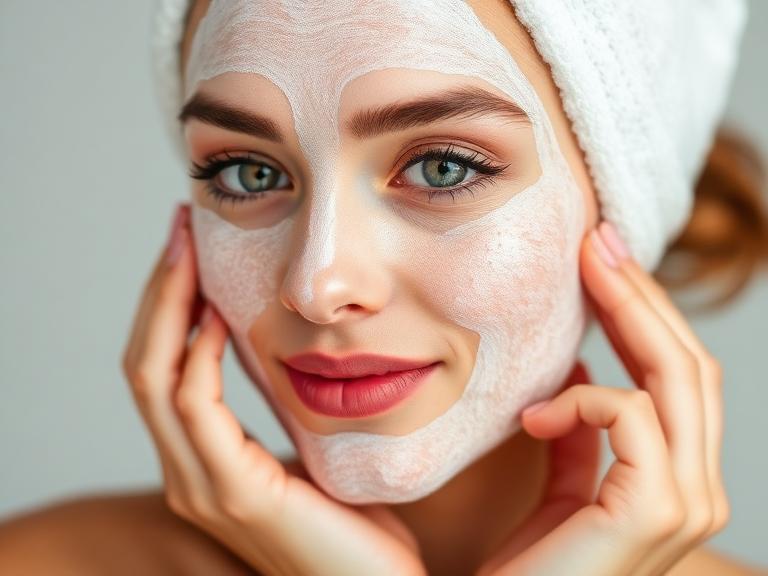
Clear skin does not always require a bathroom shelf full of expensive serums, creams, and treatments. In fact, some of the most important habits for healthier-looking skin are simple, affordable, and easy to maintain.
Your skin is influenced by many everyday factors, including how you cleanse it, how much sun exposure you get, your sleep routine, stress levels, diet, and whether the products you use suit your skin type. While natural skincare cannot magically remove every pimple or mark overnight, consistent habits can help your skin look calmer, healthier, and more balanced over time.
If you’re wondering how to get clear skin naturally without expensive products, this guide covers practical steps you can follow at home without turning your routine into a complicated project.
What Does “Clear Skin” Really Mean?
Before changing your skincare routine, it helps to understand what clear skin actually means.
Clear skin does not necessarily mean perfectly smooth, poreless, or blemish-free skin. Pores, occasional pimples, pigmentation, and small imperfections are completely normal.
For most people, healthier skin means:
- Fewer frequent breakouts
- Less irritation and redness
- Balanced oil production
- A healthy skin barrier
- Fewer clogged pores
- More even-looking skin
- Skin that feels comfortable rather than constantly dry or irritated
The goal should be healthy skin, not perfection.
1. Wash Your Face Gently
One of the simplest natural skincare habits is also one of the most important: keep your face clean without over-cleaning it.
Wash your face gently, particularly after sweating. Use lukewarm water rather than very hot water, which can leave the skin feeling dry and irritated.
Avoid aggressively scrubbing your face with rough towels, brushes, or homemade scrubs. Scrubbing harder does not necessarily mean cleaner skin. It can actually irritate the skin and make existing breakouts look worse.
If your skin feels tight, burning, or unusually dry after cleansing, your routine may be too harsh.
2. Keep Your Hands Away From Your Face
Think about how often your hands touch your phone, keyboard, door handles, and other surfaces throughout the day.
Now think about touching your face repeatedly.
Try to avoid unnecessary face touching, especially if your hands aren’t clean. More importantly, resist the temptation to squeeze or pick pimples.
Picking at acne can increase inflammation and may increase the risk of temporary dark spots or scarring.
Sometimes, the best skincare decision is simply leaving a breakout alone.
3. Never Skip Sun Protection
Sun protection is one of the most useful long-term skincare habits.
Regular sun exposure can contribute to premature skin aging and make dark spots more noticeable. If you spend time outdoors, use a broad-spectrum sunscreen appropriate for your skin type and follow the product’s directions for application and reapplication.
You can also reduce direct sun exposure by:
- Wearing a hat
- Staying in the shade when possible
- Using an umbrella
- Avoiding prolonged exposure during intense sunlight
Natural skincare does not mean avoiding sunscreen. Sunscreen can be an important part of a simple and affordable skincare routine.
4. Stay Hydrated
Drinking enough water is good for your overall health, and maintaining adequate hydration is important for normal body function.
However, drinking extra water is not a magic cure for acne.
Instead of forcing yourself to drink excessive amounts, focus on drinking water regularly throughout the day and eating water-rich foods such as fruits and vegetables.
Good hydration works best as part of an overall healthy lifestyle rather than as a standalone acne treatment.
5. Get Enough Sleep
Your skin does not get a day off from your lifestyle.
Poor sleep can affect your overall health and may also influence stress levels and other factors that can affect your skin.
Try to establish a consistent sleep schedule. Rather than scrolling on your phone late into the night, create a relaxing bedtime routine.
Simple habits can include:
- Going to bed around the same time each night
- Reducing unnecessary screen time before bed
- Keeping your bedroom comfortable and dark
- Avoiding large meals immediately before sleeping
You don’t need a luxury skincare routine if you’re constantly running on very little sleep.
6. Manage Everyday Stress
Stress is a normal part of life, but ongoing stress can affect your body in several ways. For some people, periods of stress seem to coincide with more frequent breakouts.
You don’t need an elaborate wellness routine to manage stress.
Try simple activities such as:
- Walking outdoors
- Stretching
- Deep breathing
- Reading
- Journaling
- Listening to music
- Spending time with friends and family
- Taking short breaks from screens
Even 10–15 minutes of relaxing activity can be a useful addition to your day.
7. Eat a Balanced Diet
There is no single food that will instantly give you clear skin. However, a balanced diet supports overall health, and some people notice that certain foods appear to influence their breakouts.
Build meals around a variety of:
- Vegetables
- Fruits
- Whole grains
- Beans and legumes
- Nuts and seeds
- Protein-rich foods
- Healthy fats
Instead of following extreme “acne diets,” pay attention to your own eating patterns.
If you notice that a particular food consistently seems to trigger breakouts, discuss your diet with a qualified healthcare professional before making major restrictions.
8. Change Your Pillowcase Regularly
Your pillowcase comes into contact with your face for hours at a time.
Oil, sweat, hair products, skincare products, and everyday dirt can accumulate on fabric. Changing and washing your pillowcase regularly is a simple hygiene habit that may be helpful, particularly if you are prone to breakouts.
You don’t need special luxury bedding. Clean bedding and regular washing are what matter.
9. Keep Your Phone Screen Clean
Your phone spends a surprising amount of time near your face.
If your screen is dirty, regularly cleaning it according to the manufacturer’s instructions can be a sensible hygiene habit.
You can also use speaker mode or headphones when appropriate if you notice that holding your phone directly against your face seems to irritate your skin.
It’s a small change, but small habits add up.
10. Don’t Overload Your Skin With DIY Remedies
When searching for natural ways to get clear skin, you’ll find countless homemade remedies online.
Some ingredients commonly recommended in DIY skincare can be irritating. Lemon juice, baking soda, undiluted essential oils, and harsh physical scrubs can damage or irritate the skin.
Natural does not automatically mean safe.
Your skin has a protective barrier, and damaging that barrier can lead to dryness, irritation, and sensitivity.
Before applying a homemade ingredient to your face, consider whether there is good evidence that it is safe and suitable for topical use.
11. Keep Your Skincare Routine Simple
You don’t need ten products to take care of your skin.
A simple routine can often be easier to maintain:
Morning:
- Gentle cleansing, if needed
- Moisturizer suited to your skin
- Broad-spectrum sunscreen
Evening:
- Gentle cleansing
- Moisturizer
The right routine depends on your skin type and concerns. If you have acne, eczema, very sensitive skin, or another persistent skin issue, a dermatologist can help you choose appropriate products.
12. Choose Products Based on Your Skin Type
If you’re trying to save money, don’t buy products simply because they’re trending online.
First identify what your skin actually needs.
If You Have Oily Skin
Look for lightweight, non-comedogenic products when appropriate. Avoid repeatedly washing your face just because it feels oily.
If You Have Dry Skin
Focus on gentle cleansing and moisturizing. Avoid excessively hot water and harsh scrubs.
If You Have Sensitive Skin
Keep your routine simple and introduce new products gradually. Fragrance and certain active ingredients can irritate some people.
If You Have Combination Skin
You may need to balance areas that become oily with areas that feel dry. A gentle, straightforward routine is usually a better starting point than constantly changing products.
13. Keep Hair Products Away From Your Face
Hair oils, styling products, conditioners, and other products can sometimes come into contact with facial skin.
If you notice breakouts around your forehead, hairline, or cheeks, consider whether your hair products could be contributing.
Wash your face gently after using products that may transfer onto your skin, and keep your hair clean without excessively washing or drying it.
14. Exercise and Clean Up After Sweating
Exercise is excellent for overall health. But leaving sweat, oil, and dirt on your skin for a long time may be uncomfortable and can contribute to clogged pores for some people.
After exercising, gently cleanse your face or shower when practical.
Avoid aggressively scrubbing sweaty skin. Your goal is to clean it, not punish it.
15. Give Your Routine Time to Work
One of the biggest skincare mistakes is changing products every few days.
You try something on Monday.
Nothing happens by Wednesday.
You buy something else on Thursday.
Then another product appears on social media the following week.
This constant experimentation can make it difficult to understand what actually works for your skin.
Unless a product causes irritation or another concerning reaction, give a consistent routine enough time to show whether it is helping. Skincare is usually a long game.
Can You Get Clear Skin Naturally Overnight?
Unfortunately, no.
There is no reliable natural remedy that can guarantee clear skin overnight.
A pimple that appears today may need time to settle. Dark marks can take even longer to fade. Trying to force rapid results by squeezing pimples, scrubbing aggressively, or applying harsh ingredients can make matters worse.
Think in terms of weeks and months rather than hours.
Healthy skincare is about consistency.
Common Natural Skincare Mistakes to Avoid
Trying to improve your skin naturally can be a good goal, but avoid these common mistakes:
Using Lemon Juice on Your Face
Lemon juice is acidic and can irritate facial skin. It is not a safe replacement for proven skincare treatments.
Scrubbing Acne Aggressively
Physical scrubbing can irritate inflamed skin. More friction does not equal better results.
Using Baking Soda as a Facial Treatment
Baking soda is often promoted online as a DIY acne solution, but it can disrupt the skin’s natural environment and cause irritation.
Popping Pimples
It may be tempting, but squeezing pimples can worsen inflammation and increase the likelihood of marks or scarring.
Following Every Viral Skincare Hack
A remedy becoming popular on social media doesn’t automatically make it safe or effective.
When it comes to your skin, evidence matters more than trends.
How Long Does It Take to Get Clearer Skin?
There is no universal timeline.
Your results depend on factors such as:
- Your skin type
- The cause of your breakouts
- Hormonal changes
- Genetics
- Lifestyle
- Skincare routine
- Existing skin conditions
Some small improvements may happen relatively quickly, while acne and pigmentation often require a longer-term approach.
If your acne is persistent, painful, severe, or leaving scars, professional medical advice is worth considering.
When Should You See a Dermatologist?
Natural skincare habits can support healthy skin, but they aren’t a replacement for medical treatment when you have a persistent skin condition.
Consider speaking with a dermatologist if you experience:
- Painful or deep acne
- Frequent breakouts that aren’t improving
- Acne that is leaving scars
- Significant redness or irritation
- Persistent itching or burning
- Sudden unexplained skin changes
- Skin problems that affect your confidence or daily life
A dermatologist can identify the underlying problem and recommend treatments based on your specific skin needs.
Final Thoughts
Learning how to get clear skin naturally without expensive products is less about finding a miracle ingredient and more about building simple habits you can actually maintain.
Cleanse gently. Protect your skin from the sun. Get enough sleep. Eat a balanced diet. Stay reasonably hydrated. Manage stress. Keep your pillowcase and phone clean. Most importantly, don’t attack your skin with harsh DIY remedies just because they’re labeled “natural.”
You don’t need an expensive shelf of products to start taking better care of your skin. Consistency, patience, and a skin-friendly routine can go much further than constantly chasing the latest skincare trend.
Frequently Asked Questions
1. How can I get clear skin naturally at home?
Start with simple habits such as gentle cleansing, moisturizing, sun protection, adequate sleep, a balanced diet, regular exercise, and avoiding unnecessary face touching or picking. Avoid harsh DIY ingredients that can irritate your skin.
2. Can drinking more water clear acne?
Drinking enough water supports overall health, but there is no strong evidence that simply drinking large amounts of water will clear acne. Hydration should be part of a healthy lifestyle rather than viewed as an acne cure.
3. Is it possible to get clear skin without expensive skincare products?
Yes. Many basic skincare habits don’t require expensive products. However, if you have persistent or moderate-to-severe acne, you may need evidence-based treatments recommended by a healthcare professional.
4. What natural ingredients are good for clear skin?
There isn’t one natural ingredient that works for everyone. More importantly, some popular DIY ingredients, including lemon juice and baking soda, can irritate facial skin. A simple routine using gentle, appropriately formulated products is often safer than experimenting with kitchen ingredients.
5. How can I get rid of pimples naturally?
Avoid picking or squeezing them, keep your skin gently cleansed, use suitable non-comedogenic skincare, and maintain healthy lifestyle habits. If pimples are frequent, painful, or persistent, consult a dermatologist for appropriate treatment.
6. Does lack of sleep cause acne?
Sleep and skin health are connected through several biological and lifestyle factors, and poor sleep may influence stress and other processes that can affect the skin. Maintaining a consistent sleep schedule is a sensible part of an overall healthy routine.
7. Can stress make acne worse?
Stress may contribute to acne flare-ups for some people. Stress management techniques such as exercise, relaxation, adequate sleep, and taking regular breaks can support overall well-being and may help reduce some stress-related triggers.