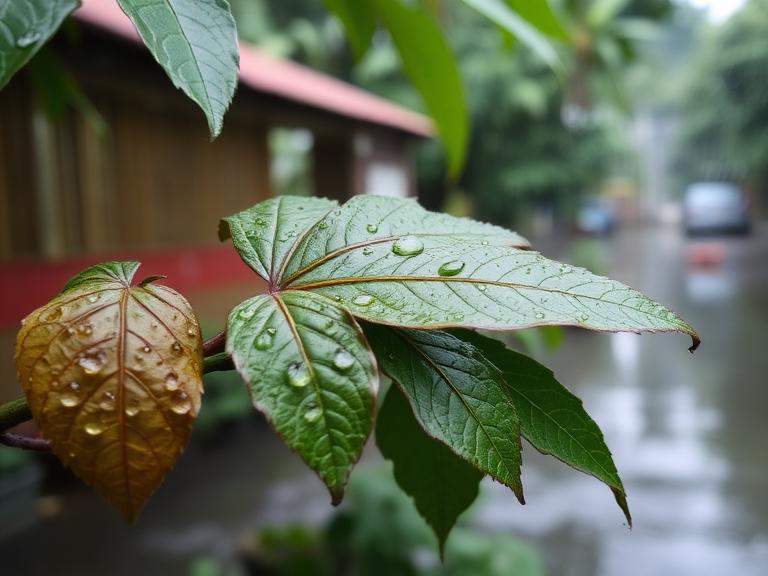
The monsoon season brings welcome relief from scorching summer temperatures, replenishes rivers, and supports agriculture. Yet alongside the refreshing rain comes a surge in infectious diseases caused by stagnant water, increased mosquito breeding, contaminated food, and high humidity. Every year, hospitals witness a noticeable rise in patients suffering from illnesses ranging from viral fever to dengue, malaria, and waterborne infections. Understanding these conditions is the first step toward protecting yourself and your family.
Staying healthy during the rainy season isn’t simply about carrying an umbrella. Your daily habits—such as drinking clean water, eating freshly prepared food, maintaining hygiene, and preventing mosquito breeding around your home—play a major role in preventing illness. This guide explores the most common monsoon diseases, their symptoms, prevention strategies, and available treatments so you can enjoy the season while minimizing health risks.
Why Monsoon Increases the Risk of Diseases
Rain creates an environment where bacteria, viruses, fungi, and parasites can thrive. Pools of stagnant water become ideal breeding grounds for mosquitoes that spread diseases like dengue, malaria, and chikungunya. Flooding may contaminate drinking water with sewage, increasing the likelihood of waterborne diseases such as cholera, typhoid, and hepatitis A. High humidity also encourages fungal infections and allows germs to survive longer on surfaces.
Another challenge during monsoon is weakened food safety. Fruits, vegetables, and street food may become contaminated more easily, while improper storage encourages bacterial growth. Wet clothing and damp environments can also affect immunity and create conditions favorable for skin infections. Since many monsoon illnesses initially resemble the common flu, recognizing symptoms early becomes especially important.
How Rainy Weather Affects Human Health
The body’s immune response can fluctuate due to sudden weather changes, making individuals more susceptible to infections. Children, older adults, pregnant women, and people with chronic illnesses are especially vulnerable during this season. Exposure to contaminated floodwater may also lead to cuts becoming infected, increasing the risk of bacterial illnesses.
The Role of Humidity, Mosquitoes, and Contaminated Water
Mosquitoes require only small collections of standing water to reproduce. Open containers, clogged drains, flowerpots, and discarded tires can become breeding sites within days. Heavy rainfall may also damage sanitation systems, allowing harmful bacteria to enter drinking water. Combined with humid conditions, these factors create the perfect environment for disease transmission.
Most Common Monsoon Diseases
Dengue Fever
Dengue is one of the most widespread mosquito-borne diseases during monsoon. It spreads through the bite of infected Aedes mosquitoes, which typically bite during daylight hours.
Common symptoms include:
- High fever
- Severe headache
- Pain behind the eyes
- Joint and muscle pain
- Skin rash
- Nausea and vomiting
- Low platelet count
There is no specific antiviral treatment for dengue. Most patients recover with adequate hydration, rest, and medical supervision. Severe cases require hospitalization to prevent complications such as internal bleeding and shock.
Malaria
Malaria is caused by Plasmodium parasites transmitted by infected Anopheles mosquitoes. Unlike dengue mosquitoes, these mosquitoes usually bite from dusk until dawn.
Symptoms include:
- Chills
- High fever
- Excessive sweating
- Fatigue
- Muscle pain
- Headache
- Vomiting
Malaria is treatable using prescription antimalarial medications. Early diagnosis significantly improves recovery and reduces complications.
Chikungunya
Chikungunya is another mosquito-borne illness that often appears alongside dengue outbreaks. Although rarely fatal, it can cause intense joint pain lasting for weeks or even months.
Symptoms include:
- Sudden fever
- Severe joint pain
- Muscle pain
- Skin rash
- Fatigue
- Headache
Treatment focuses on relieving symptoms through hydration, rest, and physician-recommended pain management.
Typhoid
Typhoid spreads through contaminated food and water. It is caused by the bacterium Salmonella Typhi and remains common in areas with inadequate sanitation.
Typical symptoms include:
- Persistent fever
- Abdominal pain
- Loss of appetite
- Weakness
- Constipation or diarrhea
- Headache
Doctors usually prescribe antibiotics after confirming the diagnosis. Completing the full course of medication is essential to prevent recurrence and antibiotic resistance.
Cholera
Cholera is an acute diarrheal disease caused by contaminated water. It can rapidly lead to dehydration if untreated.
Symptoms include:
- Profuse watery diarrhea
- Vomiting
- Muscle cramps
- Severe dehydration
- Weak pulse
Immediate oral rehydration therapy and medical treatment can be lifesaving.
Viral Fever
The term viral fever refers to infections caused by various viruses that become more common during seasonal weather changes.
Symptoms often include:
- Fever
- Body aches
- Chills
- Fatigue
- Headache
- Mild cough
Most cases resolve with rest, fluids, and supportive care.
Influenza (Seasonal Flu)
Influenza spreads easily through respiratory droplets and close contact.
Symptoms include:
- Fever
- Dry cough
- Sore throat
- Runny nose
- Muscle pain
- Fatigue
Vaccination, hand hygiene, and avoiding contact with infected individuals help reduce transmission.
Leptospirosis
Leptospirosis develops after exposure to water contaminated with animal urine, especially during floods.
Symptoms include:
- High fever
- Muscle pain
- Headache
- Red eyes
- Vomiting
- Jaundice in severe cases
Prompt antibiotic treatment greatly improves outcomes.
Recognizing Early Symptoms
Many monsoon diseases begin with similar signs, making early diagnosis challenging. Fever, fatigue, muscle aches, headaches, and nausea are common across several infections. Instead of self-medicating, individuals experiencing persistent fever lasting more than two days should seek medical evaluation. Blood tests may be necessary to distinguish between dengue, malaria, typhoid, and viral infections.
Warning Signs That Require Immediate Medical Attention
Seek emergency medical care if you experience:
- Difficulty breathing
- Persistent vomiting
- Severe dehydration
- Confusion
- Chest pain
- Bleeding gums
- Blood in stool
- Severe abdominal pain
- Sudden drop in blood pressure
Early intervention can prevent life-threatening complications.
Effective Prevention Tips
Preventing illness is easier than treating it. Adopting healthy habits before and during monsoon dramatically reduces infection risk.
Personal Hygiene
Wash hands frequently with soap and clean water, especially before meals and after using the restroom. Bathe regularly and keep skin dry to prevent fungal infections. Wear clean, dry clothing and avoid remaining in wet garments for extended periods.
Food and Water Safety
Drink only filtered or boiled water. Eat freshly cooked meals while avoiding raw or uncovered street food during heavy rains. Wash fruits and vegetables thoroughly before consumption. Proper refrigeration also helps reduce bacterial contamination.
Mosquito Control Measures
Prevent mosquito breeding by emptying containers holding stagnant water every week. Install window screens, sleep under mosquito nets when needed, and use insect repellents approved for your age group. Wearing long-sleeved clothing provides additional protection, particularly during dawn and dusk.
Treatment and Recovery
Treatment depends entirely on the underlying illness. Viral infections often require supportive care, including adequate rest, hydration, and fever management. Bacterial diseases like typhoid and leptospirosis require antibiotics prescribed by healthcare professionals, while malaria requires specific antimalarial drugs.
Recovery also depends on nutrition. Eating balanced meals rich in protein, vitamins, fruits, vegetables, and adequate fluids helps strengthen the immune system. Patients should avoid strenuous physical activity until fully recovered, especially after dengue or chikungunya, where fatigue may persist for several weeks.
Self-medication should be avoided because symptoms of different monsoon diseases often overlap. Taking inappropriate medications may delay diagnosis or worsen complications. Always consult a qualified healthcare provider if symptoms persist or worsen.
Conclusion
Monsoon transforms the environment, but it also creates ideal conditions for numerous infectious diseases. Staying informed about common monsoon diseases, recognizing their symptoms early, and following practical prevention strategies can significantly reduce your chances of becoming ill. Good hygiene, clean drinking water, mosquito control, proper nutrition, and timely medical consultation remain the strongest defenses against seasonal infections.
Rather than fearing the rainy season, treat it as a reminder to strengthen healthy habits. Small preventive actions taken every day can protect your family throughout the monsoon and contribute to better long-term health.
Frequently Asked Questions
1. Which disease is most common during the monsoon?
Dengue, malaria, viral fever, typhoid, and cholera are among the most frequently reported monsoon diseases.
2. How can I naturally boost my immunity during the rainy season?
Maintain a balanced diet, stay hydrated, sleep well, exercise regularly, consume vitamin-rich fruits and vegetables, and practice good hygiene.
3. Is it safe to eat street food during monsoon?
It is generally safer to avoid uncovered or poorly prepared street food because contamination risk is higher during the rainy season.
4. When should I see a doctor for monsoon fever?
Consult a healthcare professional if fever lasts more than 48 hours, becomes severe, or is accompanied by persistent vomiting, bleeding, breathing difficulty, or dehydration.
5. What is the best way to prevent mosquito-borne diseases?
Eliminate stagnant water around your home, use mosquito repellents, wear protective clothing, install window screens, and sleep under mosquito nets when appropriate.