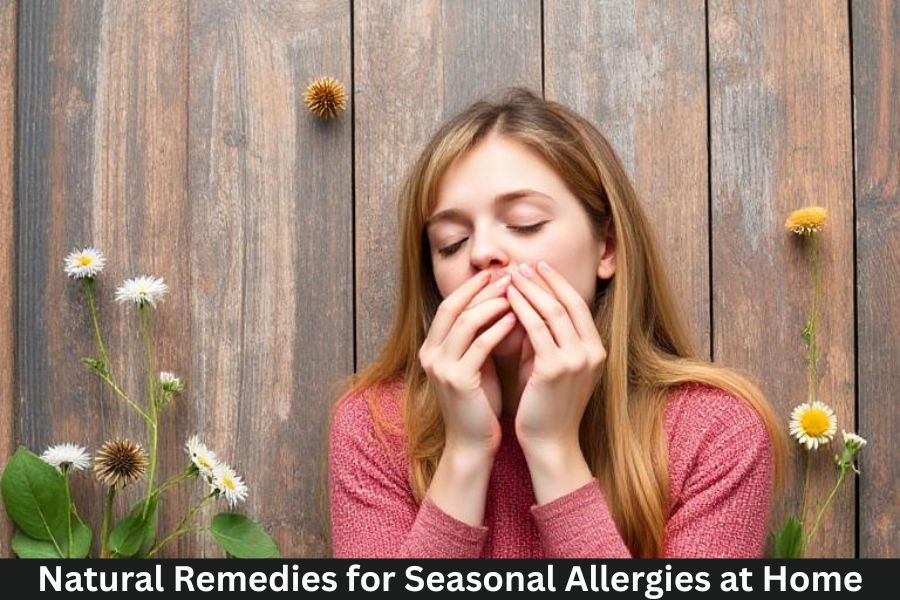
If you’ve ever sneezed your way through spring or broken out in hives after eating shellfish, you already know allergies aren’t just “in your head.” They’re real, they’re common, and for millions of people, they’re a daily part of life. Whether it’s seasonal allergies, food allergies, or skin reactions, understanding what’s happening in your body can make managing symptoms so much easier.
Let’s break down everything you need to know about allergies — the causes, common types, symptoms, and treatment options that actually work.
What Are Allergies, Really?
An allergy happens when your immune system overreacts to a substance that’s usually harmless. This substance — called an allergen — could be pollen, dust, pet dander, certain foods, insect stings, or even medications. Your body mistakes it for a threat and releases chemicals like histamine to “fight it off,” which is what triggers those classic allergy symptoms: sneezing, itching, swelling, or rashes.
Some people are more prone to allergies due to genetics, while others develop them later in life due to environmental changes. Either way, allergies are one of the most common chronic health conditions worldwide, affecting both children and adults.
Common Types of Allergies
Allergies come in many forms, and identifying which type you have is the first step toward relief.
1. Seasonal Allergies (Hay Fever)
Also known as allergic rhinitis, seasonal allergies are triggered by pollen from trees, grasses, and weeds. Symptoms usually include sneezing, a runny or stuffy nose, itchy eyes, and fatigue. Spring and fall tend to be the toughest seasons for allergy sufferers.
2. Food Allergies
Food allergies occur when the immune system reacts to specific proteins in foods like peanuts, tree nuts, shellfish, eggs, milk, or soy. Reactions can range from mild itching to severe, life-threatening anaphylaxis, which requires immediate medical attention.
3. Skin Allergies
Skin allergies often show up as eczema, hives, or contact dermatitis. These can be triggered by soaps, cosmetics, certain fabrics, or even stress. Persistent itching or redness is usually the first sign something’s off.
4. Pet Allergies
Many people are allergic to proteins found in pet dander, saliva, or urine — not the fur itself. Symptoms often mimic seasonal allergies: sneezing, watery eyes, and congestion.
5. Dust and Mold Allergies
Indoor allergens like dust mites and mold spores are common year-round triggers, especially in humid or poorly ventilated homes.
6. Drug Allergies
Some people react to medications like penicillin or certain pain relievers, with symptoms ranging from rashes to more serious reactions.
Common Allergy Symptoms to Watch For
Allergy symptoms vary depending on the trigger and how sensitive your body is, but the most common signs include:
- Sneezing and a runny or blocked nose
- Itchy, watery, or red eyes
- Skin rashes, hives, or swelling
- Coughing or wheezing
- Shortness of breath
- Stomach cramps, nausea, or vomiting (common with food allergies)
- Fatigue caused by ongoing inflammation
In severe cases, allergies can trigger anaphylaxis — a rapid, whole-body reaction that includes difficulty breathing, a drop in blood pressure, and swelling of the throat. This is a medical emergency and requires immediate treatment, usually with an epinephrine injection.
What Causes Allergies to Develop?
There isn’t one single cause of allergies — it’s usually a mix of genetics and environment. If your parents have allergies, you’re more likely to develop them too. Environmental factors like pollution, early exposure to allergens, and even changes in gut bacteria have also been linked to rising allergy rates worldwide.
Interestingly, allergies can develop at any age. Some people who never had allergies as kids suddenly become sensitive to certain foods or pollen as adults, while some childhood allergies fade over time.
How Are Allergies Diagnosed?
If you suspect you have allergies, an allergist can help pinpoint the exact trigger through:
- Skin prick tests – Small amounts of allergens are placed on the skin to check for a reaction.
- Blood tests – Measure specific antibodies (IgE) related to allergens.
- Elimination diets – Used mainly for suspected food allergies, removing and reintroducing foods to identify triggers.
Getting an accurate diagnosis is key, since many allergy symptoms overlap with other conditions like colds or sinus infections.
Effective Ways to Manage and Treat Allergies
The good news? Allergies are very manageable once you know your triggers. Here are some proven strategies:
1. Avoidance
The simplest and most effective method is avoiding known triggers — whether that means staying indoors during high pollen days or reading food labels carefully.
2. Antihistamines
Over-the-counter or prescription antihistamines help block histamine and reduce sneezing, itching, and runny nose symptoms.
3. Nasal Sprays and Decongestants
These can relieve nasal congestion and inflammation, especially during allergy season.
4. Allergy Shots (Immunotherapy)
For long-term relief, allergy shots gradually expose your body to small amounts of allergens, helping build tolerance over time.
5. Emergency Treatment
For severe allergies, especially food or insect sting allergies, carrying an epinephrine auto-injector (like an EpiPen) can be lifesaving.
6. Lifestyle Adjustments
Simple habits — like showering after being outdoors, using air purifiers, and washing bedding frequently — can significantly reduce allergen exposure at home.
When to See a Doctor
If your allergy symptoms are persistent, worsening, or interfering with daily life, it’s time to consult a doctor. Sudden or severe reactions, especially involving swelling of the face or throat, difficulty breathing, or dizziness, need emergency care immediately.
Final Thoughts
Allergies might be common, but that doesn’t mean you have to just “live with them.” Understanding your triggers, recognizing symptoms early, and following the right treatment plan can make a huge difference in your quality of life. Whether it’s seasonal sniffles or a serious food allergy, the key is awareness and proactive care.
For more in-depth, medically reviewed information on allergy types, causes, and treatments, check out this comprehensive guide from Healthline.