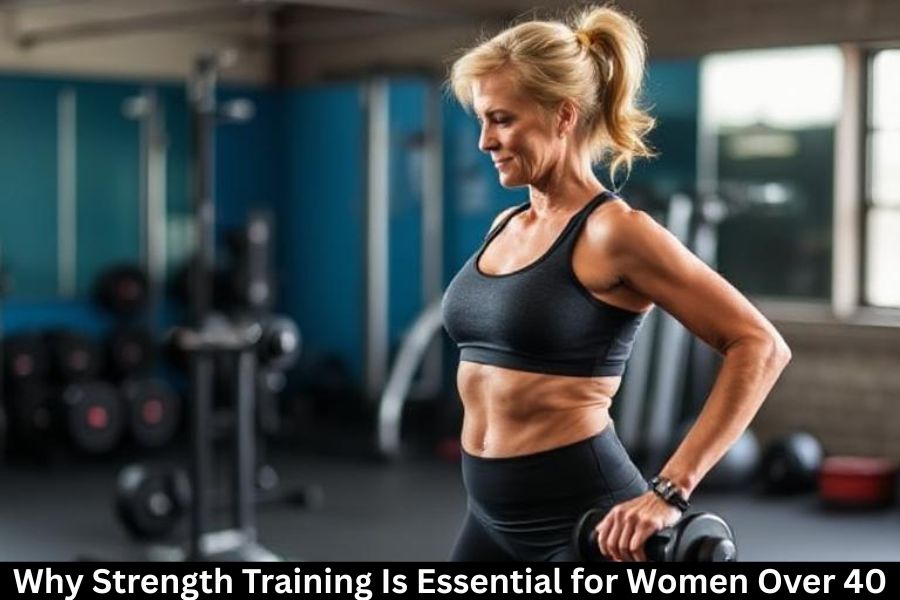
Turning 40 doesn’t mean slowing down—it means training smarter. At this stage of life, your body starts changing in ways that workouts from your 20s and 30s may no longer support. Strength training becomes less of an option and more of a necessity.
Why Cardio Alone Is No Longer Enough
Walking, running, or cycling are great for your heart, but cardio alone won’t protect muscle, bones, or metabolism as you age. Think of cardio as maintenance, while strength training is your upgrade system.
What Happens to Women’s Bodies After 40
Muscle Loss and Metabolic Slowdown
After 40, women lose muscle mass more rapidly due to aging and hormonal shifts. Less muscle means a slower metabolism, making weight gain easier—even if eating habits haven’t changed.
Hormonal Changes and Weight Gain
Declining estrogen affects how your body stores fat, especially around the belly. Strength training helps counteract these changes by improving insulin sensitivity and preserving lean muscle.
Understanding Strength Training
What Counts as Strength Training
Strength training includes lifting weights, resistance bands, bodyweight exercises, and even Pilates-style resistance movements. If your muscles are working against resistance, it counts.
Myths and Misconceptions About Lifting Weights
Many women fear getting “bulky.” In reality, women don’t have the testosterone levels required for bulky muscles. Strength training creates a toned, firm, and athletic look—not a bodybuilder physique.
Strength Training and Muscle Preservation
Preventing Sarcopenia
Sarcopenia is age-related muscle loss. Without resistance training, it accelerates after 40. Strength training slows or even reverses this process.
Staying Strong and Independent
Muscle isn’t just about looks—it’s about independence. Strong muscles help you climb stairs, lift groceries, and live confidently as you age.
Boosting Metabolism and Fat Loss
Muscle vs Fat – The Metabolic Difference
Muscle burns more calories than fat, even at rest. The more muscle you have, the more calories your body naturally burns throughout the day.
Why Strength Training Burns More Calories Long-Term
Unlike cardio, strength training creates an afterburn effect, meaning your body continues burning calories long after the workout ends.
Bone Health and Osteoporosis Prevention
Bone Density Decline After 40
Women lose bone density faster than men, especially after menopause. Weak bones increase fracture risk.
How Strength Training Strengthens Bones
Resistance exercises stimulate bone growth. Lifting weights sends a signal to your bones to stay dense and strong.
Hormonal Balance and Strength Training
Estrogen, Cortisol, and Insulin Sensitivity
Strength training lowers cortisol (the stress hormone) and improves insulin sensitivity, helping manage weight and energy levels.
Strength Training and Menopause Symptoms
Regular strength training can reduce hot flashes, improve sleep, and stabilize mood during perimenopause and menopause.
Improving Joint Health and Mobility
Strengthening Muscles Around Joints
Strong muscles protect joints. This reduces knee, hip, and back pain—common complaints after 40.
Reducing Pain and Injury Risk
Properly trained muscles improve balance and coordination, lowering the risk of falls and injuries.
Mental Health and Confidence Benefits
Strength Training and Mood
Strength training releases endorphins, improving mood and reducing anxiety and depression.
Building Confidence and Body Image
There’s something empowering about lifting heavier weights over time. It builds confidence—not just physically, but mentally.
Heart Health and Blood Sugar Control
Strength Training and Cardiovascular Health
Strength training improves blood pressure, cholesterol, and circulation—key factors for heart health.
Reducing Risk of Diabetes
Building muscle helps regulate blood sugar, significantly lowering the risk of type 2 diabetes.
Everyday Functional Strength
Carrying, Lifting, and Daily Movements
Strength training prepares you for real life—not just workouts. From lifting kids to carrying luggage, daily tasks become easier.
Aging Gracefully and Independently
Functional strength allows you to age with confidence, not fear.
Getting Started with Strength Training After 40
Beginner-Friendly Exercises
Squats, lunges, push-ups, rows, and deadlifts are foundational moves that build total-body strength.
How Often and How Heavy to Train
Two to four sessions per week is ideal. Start light, focus on form, and gradually increase resistance.
Strength Training at Home vs Gym
Home Workouts
Resistance bands and dumbbells make home training accessible and effective.
Gym Training
Gyms offer heavier weights and machines, which can be beneficial for progression.
Safety Tips for Women Over 40
Proper Form and Recovery
Form matters more than weight. Adequate rest and recovery prevent injury and burnout.
Listening to Your Body
Some soreness is normal. Pain is not. Adjust intensity when needed.
Combining Strength Training with Other Workouts
Cardio and Flexibility
Pair strength training with walking, cycling, yoga, or stretching for a balanced routine.
Creating a Balanced Fitness Routine
Strength is the foundation. Everything else supports it.
Nutrition to Support Strength Training
Protein Needs After 40
Protein supports muscle repair and growth. Aim for high-quality protein at every meal.
Recovery and Hydration
Water, sleep, and nutrient-dense foods enhance recovery and results.
Long-Term Benefits of Strength Training
Longevity and Quality of Life
Strength training isn’t just about today—it’s about staying capable, confident, and independent for decades.
Conclusion
Strength training is one of the most powerful tools women over 40 have to protect their health. It builds muscle, strengthens bones, balances hormones, boosts confidence, and improves quality of life. It’s not about lifting heavy—it’s about lifting smart and investing in your future self.
Frequently Asked Questions
Is it safe to start strength training after 40?
Yes, with proper form and gradual progression, it’s very safe and beneficial.
How soon will I see results?
Most women notice strength and energy improvements within 4–6 weeks.
Will strength training make me bulky?
No. It creates a toned, lean appearance.
Do I need a personal trainer?
Not required, but helpful for beginners to learn proper form.
Can strength training help with belly fat after 40?
Yes. It boosts metabolism and improves hormone balance, aiding fat loss.


Your point of view caught my eye and was very interesting. Thanks. I have a question for you.
Your point of view caught my eye and was very interesting. Thanks. I have a question for you.