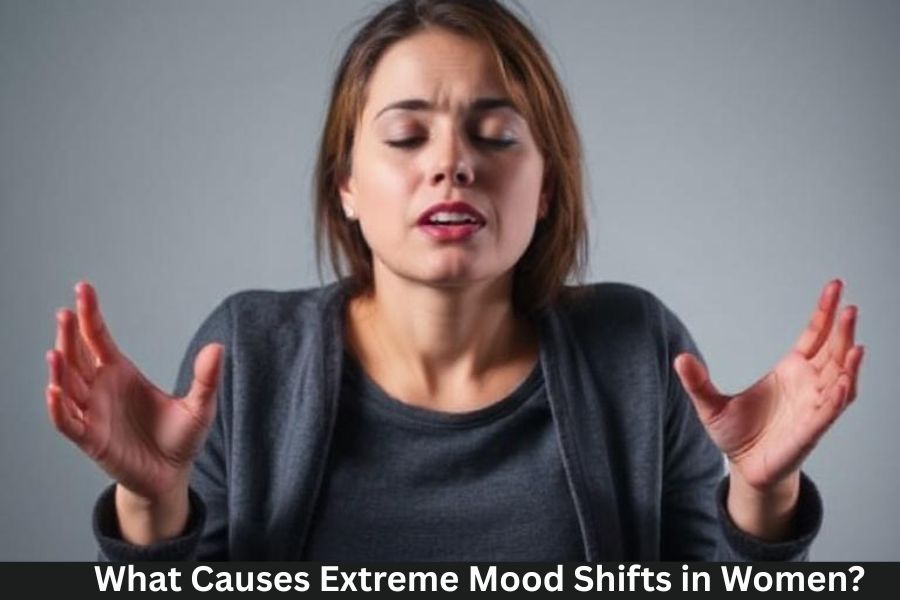
Have you ever felt perfectly fine one moment and emotionally overwhelmed the next—without knowing why? You’re not imagining it. Extreme mood shifts are a real experience for many women, and they’re often rooted in biology, stress, and life circumstances colliding all at once.
Why Mood Shifts Are More Common in Women
Women’s emotional landscapes are deeply influenced by hormonal cycles, social roles, and mental load. Think of emotions like waves—when several forces collide, those waves can turn into emotional storms.
What Are Extreme Mood Shifts?
Normal Mood Changes vs Extreme Mood Swings
Everyone has mood changes. Extreme mood shifts, however, are intense, rapid, and disruptive. They can swing from joy to sadness, calm to rage, or motivation to exhaustion within hours—or even minutes.
When Mood Shifts Become a Concern
When emotions interfere with relationships, work, or daily functioning, it’s time to look deeper.
The Role of Hormones in Women’s Moods
Estrogen and Progesterone Explained
Estrogen boosts serotonin—the “feel-good” brain chemical. Progesterone has calming effects. When these hormones fluctuate, emotional stability can wobble.
How Hormonal Fluctuations Affect the Brain
Hormones act like messengers. When their signals change suddenly, mood regulation can feel like trying to drive on black ice.
Menstrual Cycle and Mood Changes
PMS and Emotional Sensitivity
Before menstruation, estrogen drops. This can lead to irritability, sadness, or anxiety.
PMDD and Severe Mood Symptoms
Premenstrual Dysphoric Disorder (PMDD) is a severe form of PMS that causes intense depression, anger, and emotional pain.
Pregnancy and Postpartum Mood Shifts
Emotional Changes During Pregnancy
Hormones skyrocket during pregnancy, making emotions more intense—both good and bad.
Baby Blues vs Postpartum Depression
Baby blues fade within weeks. Postpartum depression lingers and requires professional care.
Menopause and Perimenopause
Hormonal Decline and Emotional Instability
As estrogen declines, many women experience mood swings, anxiety, and emotional sensitivity.
Mood Swings, Anxiety, and Irritability
Perimenopause often brings emotional unpredictability that feels unfamiliar and frightening.
Mental Health Conditions Linked to Mood Shifts
Depression and Anxiety Disorders
Chronic sadness, irritability, and emotional numbness can signal depression or anxiety.
Bipolar Disorder and Mood Dysregulation
Bipolar disorder causes dramatic mood shifts between depression and elevated states.
Stress and Emotional Overload
Chronic Stress and Cortisol Imbalance
Long-term stress keeps cortisol elevated, exhausting emotional reserves.
Emotional Burnout in Women
Caregiving, multitasking, and constant responsibility drain emotional energy fast.
Trauma and Past Experiences
How Trauma Rewires Emotional Responses
Trauma heightens emotional reactivity. Small triggers can cause intense reactions.
PTSD and Emotional Triggers
Unresolved trauma keeps the nervous system on high alert.
Sleep Deprivation and Fatigue
Why Lack of Sleep Intensifies Emotions
Sleep loss weakens emotional regulation—everything feels bigger and heavier.
The Sleep–Mood Connection
Good sleep stabilizes mood. Poor sleep destabilizes it.
Nutritional Deficiencies and Diet
Blood Sugar Fluctuations
Skipping meals or eating high-sugar foods causes emotional crashes.
Magnesium, Iron, and B-Vitamin Deficiencies
These nutrients support nervous system health. Deficiency fuels irritability and fatigue.
Medical Conditions That Affect Mood
Thyroid Disorders
An underactive or overactive thyroid can cause anxiety, depression, or mood swings.
Autoimmune and Chronic Illness
Chronic inflammation impacts brain chemistry and mood regulation.
Medications and Substance Use
Hormonal Birth Control and Antidepressants
Some medications alter mood chemistry—positively or negatively.
Alcohol, Caffeine, and Mood Instability
Alcohol depresses mood. Caffeine increases anxiety. Balance matters.
Social Pressure and Emotional Labor
The Invisible Load Women Carry
Managing relationships, homes, and emotions often falls disproportionately on women.
Relationship and Caregiving Stress
Constant emotional output without rest fuels mood instability.
When to Seek Professional Help
Warning Signs That Shouldn’t Be Ignored
- Sudden personality changes
- Persistent sadness or rage
- Thoughts of self-harm
Diagnosis and Emotional Support Options
Therapists, doctors, and support groups provide clarity and relief.
Managing and Stabilizing Mood Shifts
Lifestyle Changes That Help
Sleep, nutrition, boundaries, and movement create emotional stability.
Therapy, Medication, and Support Systems
Professional care isn’t weakness—it’s self-respect.
Conclusion
Extreme mood shifts in women are not character flaws—they’re signals. Signals from hormones, stress, health, or emotional overload asking for attention. When understood and supported, emotional balance becomes possible again. You’re not “too much.” You’re responding to complex systems—and help is available.
FAQs
1. Are extreme mood swings normal for women?
Occasional mood shifts are normal, but extreme or disruptive ones need attention.
2. Can hormones alone cause severe mood changes?
Yes, especially during PMS, pregnancy, or menopause.
3. How do I know if my mood swings are mental illness?
If they’re intense, persistent, or impair daily life, seek evaluation.
4. Can diet really affect mood?
Absolutely—nutrients and blood sugar strongly influence emotions.
5. What’s the first step to managing extreme mood shifts?
Track patterns and speak with a healthcare professional.
I don’t think the title of your article matches the content lol. Just kidding, mainly because I had some doubts after reading the article. https://www.binance.com/register?ref=IHJUI7TF
Your point of view caught my eye and was very interesting. Thanks. I have a question for you.
Can you be more specific about the content of your article? After reading it, I still have some doubts. Hope you can help me.