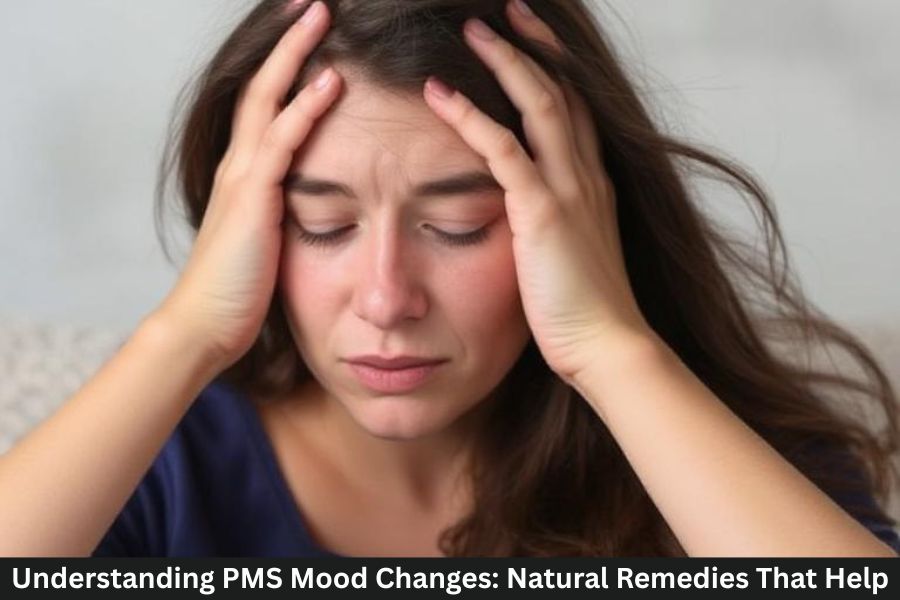
If you’ve ever snapped at someone over nothing, cried at a commercial, or felt completely unlike yourself right before your period, you’re not alone. PMS mood changes can feel like an emotional rollercoaster you didn’t buy a ticket for. One minute you’re fine, the next you’re overwhelmed, irritated, or deeply sad—and wondering, “What is wrong with me?”
Here’s the truth: nothing is wrong with you. PMS mood changes are real, common, and deeply connected to your hormones, brain chemistry, and lifestyle. The even better news? There are natural, gentle ways to support your mood and feel more like yourself again.
Let’s unpack what’s really going on and what actually helps.
What Is PMS and Why Does It Affect Mood?
The Menstrual Cycle Explained Simply
Your menstrual cycle isn’t just about your period. It’s a monthly rhythm involving hormones that rise and fall to prepare your body for pregnancy. PMS—premenstrual syndrome—usually shows up in the luteal phase, about 1–2 weeks before your period starts.
Hormonal Fluctuations and Emotions
During this phase, estrogen drops and progesterone rises. These hormonal shifts affect neurotransmitters like serotonin and GABA, which regulate mood, calmness, and emotional resilience.
Estrogen, Progesterone, and the Brain
Estrogen boosts serotonin—the “feel-good” chemical. When estrogen dips, serotonin can dip too, leading to irritability, sadness, or anxiety. Progesterone, while calming for some, can feel sedating or depressing for others. It’s like your brain chemistry is remixing itself every month.
Common PMS Mood Symptoms
Irritability and Anger
Small things feel big. Sounds are louder, patience is thinner, and frustration shows up fast.
Anxiety and Restlessness
You may feel on edge, overthink everything, or experience a vague sense of doom with no clear cause.
Sadness and Low Motivation
Tears come easily, motivation drops, and even simple tasks feel heavy.
When Mood Changes Disrupt Daily Life
If emotional symptoms interfere with work, relationships, or self-esteem, it’s a sign your body needs more support—not judgment.
Why PMS Mood Changes Feel So Intense
Sensitivity to Hormone Shifts
Some people are simply more sensitive to hormonal changes. It’s not weakness—it’s biology.
Stress and Lifestyle Triggers
Chronic stress, poor sleep, caffeine overload, and nutrient deficiencies amplify PMS symptoms, turning a small wave into a tidal one.
PMS vs. PMDD
If mood symptoms are severe, debilitating, or include depression or rage, it may be PMDD (Premenstrual Dysphoric Disorder). This requires professional care and is not something to “push through.”
The Mind-Body Connection in PMS
How Physical Symptoms Affect Emotions
Bloating, cramps, headaches, and fatigue drain your emotional reserves. When your body feels off, your mood often follows.
Gut Health and Mood
Your gut produces most of your serotonin. Poor digestion, inflammation, or blood sugar crashes can worsen mood swings.
Inflammation and Emotional Balance
Inflammation increases cortisol and disrupts neurotransmitters, making PMS mood symptoms stronger and longer-lasting.
Natural Remedies for PMS Mood Changes
Nutrition That Supports Emotional Stability
Food isn’t just fuel—it’s information for your hormones and brain.
Foods to Eat More Of
- Complex carbs (oats, brown rice, sweet potatoes)
- Leafy greens and cruciferous vegetables
- Healthy fats (avocado, nuts, olive oil)
- Protein at every meal
These stabilize blood sugar and support serotonin production.
Foods to Limit or Avoid
- Excess sugar
- Alcohol
- Ultra-processed foods
- Too much caffeine
These can spike anxiety and worsen mood crashes.
Herbal Remedies and Supplements
Magnesium, Vitamin B6, and Omega-3s
- Magnesium calms the nervous system
- Vitamin B6 supports neurotransmitter balance
- Omega-3s reduce inflammation and improve mood
Always consult a professional before supplementing.
Exercise as a Natural Mood Booster
Movement increases endorphins and serotonin naturally.
Best Types of Movement During PMS
- Walking
- Yoga
- Stretching
- Light strength training
Think gentle and consistent, not intense punishment.
Stress Management Techniques That Work
Mindfulness and Meditation
Even five minutes of stillness can reduce cortisol and emotional reactivity.
Breathing Exercises
Slow, deep breathing signals safety to your nervous system—like hitting a reset button.
Journaling for Emotional Release
Writing things out clears mental clutter and helps you process emotions without judgment.
Sleep and PMS Mood Regulation
Why Sleep Matters More Before Your Period
Hormonal shifts make you more sensitive to sleep loss. Even one bad night can magnify emotions.
Tips for Better PMS Sleep
- Go to bed earlier
- Avoid screens before sleep
- Keep your room cool and dark
Evening Routines That Calm the Nervous System
Herbal tea, stretching, reading, or a warm shower tell your body it’s safe to rest.
Emotional Self-Care During PMS
Being Kinder to Yourself
This isn’t the time for pushing harder. It’s the time for softer expectations.
Setting Boundaries Without Guilt
Saying no is self-respect, not selfishness—especially during PMS.
Asking for Support
Let people know what you need. You don’t have to handle everything alone.
Natural Therapies Worth Exploring
Acupuncture and Acupressure
These can help regulate hormones, reduce stress, and ease emotional symptoms.
Aromatherapy and Essential Oils
Lavender, clary sage, and chamomile promote relaxation and emotional balance.
When to Seek Professional Help
Signs PMS Might Be More Than PMS
- Depression lasting most of the month
- Intense anger or hopelessness
- Thoughts of self-harm
These deserve immediate attention and care.
Talking to a Healthcare Provider
Tracking symptoms helps professionals recommend personalized solutions—natural or medical.
Creating a PMS-Friendly Lifestyle
Tracking Your Cycle
Knowing when symptoms may appear helps you prepare emotionally and practically.
Planning Ahead for Emotional Days
Schedule lighter workloads, extra rest, and supportive activities during PMS.
Long-Term Hormonal Balance
Consistency with nutrition, sleep, stress management, and movement creates lasting improvement over time.
Conclusion
PMS mood changes are not “all in your head.” They’re real, biological responses influenced by hormones, lifestyle, and emotional load. The key isn’t fighting your body—it’s learning to support it. With the right natural remedies, self-care strategies, and a little compassion, PMS doesn’t have to control your life. Instead, it can become a signal to slow down, tune in, and take better care of yourself.
FAQs
1. Are PMS mood swings normal?
Yes, they’re common and linked to hormonal changes, but they can be managed naturally.
2. How long do PMS mood symptoms usually last?
Typically a few days to two weeks before your period, ending once menstruation begins.
3. Can diet really improve PMS mood changes?
Absolutely. Stable blood sugar and nutrient-rich foods significantly affect mood.
4. Is exercise safe during PMS?
Yes—gentle movement often improves mood and reduces emotional symptoms.
5. When should I worry about PMS mood changes?
If symptoms are severe, persistent, or affect your safety, seek professional help.

Thanks for sharing. I read many of your blog posts, cool, your blog is very good. https://www.binance.info/da-DK/register?ref=V3MG69RO
I don’t think the title of your article matches the content lol. Just kidding, mainly because I had some doubts after reading the article.
Thanks for sharing. I read many of your blog posts, cool, your blog is very good.