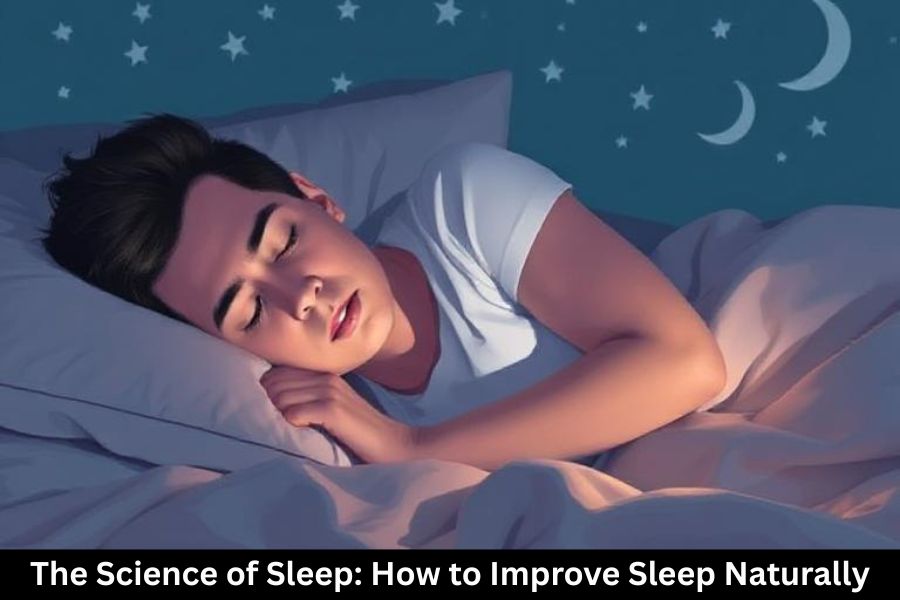
Sleep is not a luxury—it’s a biological necessity, just like food and water. Yet, in today’s always-on world, sleep is often the first thing we sacrifice. If you’ve ever stared at the ceiling at 2 a.m., mind racing like a hamster on a wheel, you already know how frustrating poor sleep can be. The good news? Science shows that improving sleep naturally is not only possible—it’s sustainable.
Let’s break down the science of sleep and uncover practical, natural ways to sleep deeper, longer, and better.
Understanding Why Sleep Matters
What Happens to Your Body During Sleep
When you sleep, your body isn’t “shutting down.” It’s working overtime behind the scenes. Cells repair themselves, muscles recover, hormones rebalance, and memories are sorted and stored like files in a cabinet. Think of sleep as your body’s nightly maintenance crew.
During deep sleep, your brain clears out waste products that build up during the day. Skip this process too often, and it’s like never taking out the trash—it starts to affect everything.
The Link Between Sleep and Overall Health
Consistent poor sleep is linked to weakened immunity, weight gain, heart disease, diabetes, and mental health disorders. On the flip side, quality sleep improves focus, emotional stability, and even longevity. In short, sleep is the foundation your health stands on.
The Science Behind Sleep Cycles
REM vs Non-REM Sleep
Sleep happens in cycles, each lasting about 90 minutes. These cycles include Non-REM sleep (light and deep stages) and REM sleep (where dreaming occurs). Both are essential, but they serve different purposes.
Non-REM sleep repairs the body. REM sleep restores the mind. Miss either one, and you wake up feeling “off,” even if you slept for hours.
Why Deep Sleep Is So Important
Deep sleep is where growth hormone is released, tissues heal, and energy is restored. It’s the difference between charging your phone to 100% versus stopping at 60%. You might function—but not at your best.
Common Causes of Poor Sleep
Stress, Anxiety, and Overthinking
Your brain doesn’t know the difference between real danger and imagined worry. When stress levels stay high, cortisol—the stress hormone—keeps your body in alert mode. Sleep becomes a battle instead of a surrender.
Poor Sleep Environment
Too much light, noise, or an uncomfortable mattress can quietly sabotage your sleep. Your bedroom should feel like a cave—cool, dark, and calm.
Technology and Blue Light Exposure
Screens emit blue light that suppresses melatonin, the hormone responsible for sleep. Scrolling in bed is like telling your brain, “Hey, it’s daytime—stay awake!”
How Circadian Rhythm Controls Sleep
The Body’s Internal Clock Explained
Your circadian rhythm is your internal 24-hour clock. It regulates when you feel alert and when you feel sleepy. Light exposure, meal timing, and routine all influence it.
Signs Your Circadian Rhythm Is Disrupted
Feeling tired during the day but wired at night? That’s a classic sign. Inconsistent sleep schedules and late-night screen use are often the culprits.
Natural Ways to Improve Sleep Quality
Create a Consistent Sleep Schedule
Going to bed and waking up at the same time every day trains your brain when to sleep. Even on weekends, consistency beats sleeping in.
Optimize Your Bedroom for Sleep
Your bedroom should be associated with rest—not work or stress.
Temperature, Light, and Noise Control
Keep the room slightly cool, block out light with curtains, and reduce noise with earplugs or white noise. Small tweaks can lead to big improvements.
Nutrition and Sleep
Foods That Promote Better Sleep
Foods rich in magnesium, tryptophan, and complex carbohydrates—like bananas, oats, nuts, and warm milk—can naturally support sleep.
What to Avoid Before Bed
Caffeine, heavy meals, and sugary snacks close to bedtime can disrupt sleep. Alcohol may make you sleepy at first, but it fragments sleep later in the night.
The Role of Exercise in Sleep
Best Time to Exercise for Quality Sleep
Regular physical activity improves sleep, but timing matters. Morning or afternoon workouts work best, while intense late-night exercise can be overstimulating.
Gentle Movements That Calm the Nervous System
Yoga, stretching, or a slow evening walk can signal your body that it’s time to wind down.
Mindfulness and Relaxation Techniques
Breathing Exercises for Sleep
Slow, deep breathing activates the parasympathetic nervous system—the “rest and digest” mode. Try inhaling for four counts, exhaling for six.
Meditation and Progressive Muscle Relaxation
These techniques help release physical tension and mental chatter, making it easier to drift off naturally.
Natural Supplements That Support Sleep
Magnesium, Melatonin, and Herbal Options
Magnesium supports muscle relaxation, while melatonin helps regulate sleep timing. Herbs like chamomile and valerian root may also promote calmness.
When to Use Supplements Carefully
Supplements should support good habits—not replace them. Always use the lowest effective dose and avoid long-term dependence.
Sleep Hygiene Habits That Actually Work
Evening Routines That Signal Sleep
Dim lights, read a book, or take a warm shower. Repetition tells your brain that sleep is coming.
Morning Habits That Improve Night Sleep
Morning sunlight exposure helps reset your circadian rhythm, making it easier to fall asleep at night.
Sleep and Mental Health
How Sleep Affects Mood and Focus
Lack of sleep amplifies stress, anxiety, and irritability. Quality sleep acts like emotional armor, helping you handle daily challenges with clarity.
Breaking the Cycle of Insomnia and Anxiety
Worrying about sleep often makes insomnia worse. Shifting focus to relaxation rather than “trying” to sleep can break the cycle.
How Much Sleep Do You Really Need?
Sleep Requirements by Age
Most adults need 7–9 hours of sleep. Teenagers and children need more due to growth and development.
Quality vs Quantity of Sleep
Eight hours of poor sleep can feel worse than six hours of quality rest. Depth and consistency matter more than numbers.
Myths About Sleep You Should Stop Believing
“I Can Catch Up on Sleep Later”
Sleep debt accumulates. Weekend sleep-ins don’t fully undo weekday deprivation.
“Alcohol Helps Me Sleep”
It may knock you out, but it reduces deep and REM sleep—leaving you groggy the next day.
Long-Term Benefits of Natural Sleep Improvement
Better Immunity, Memory, and Energy
Quality sleep boosts immune defense, sharpens memory, and stabilizes energy levels throughout the day.
Aging Gracefully With Quality Sleep
Sleep supports skin repair, hormone balance, and brain health—key elements of healthy aging.
Conclusion
Improving sleep naturally isn’t about chasing perfection—it’s about building better habits, one night at a time. When you align your routine with your biology, sleep stops being a struggle and starts becoming a strength. Treat sleep as a priority, and it will reward you with better health, sharper focus, and a calmer mind.
FAQs
1. How long does it take to improve sleep naturally?
Most people notice improvements within 1–2 weeks of consistent habits.
2. Is napping bad for sleep?
Short naps (20–30 minutes) are fine, but long or late naps can disrupt nighttime sleep.
3. Can stress really affect sleep that much?
Yes, stress directly impacts sleep hormones and nervous system balance.
4. Are natural sleep remedies safe long-term?
Lifestyle changes are safest long-term. Supplements should be used cautiously.
5. What’s the fastest way to fall asleep naturally?
A consistent routine, reduced screen time, and calming breathing techniques work best.
I don’t think the title of your article matches the content lol. Just kidding, mainly because I had some doubts after reading the article.
I don’t think the title of your article matches the content lol. Just kidding, mainly because I had some doubts after reading the article.
Your point of view caught my eye and was very interesting. Thanks. I have a question for you. https://accounts.binance.com/register-person?ref=IHJUI7TF
Your article helped me a lot, is there any more related content? Thanks! https://www.binance.com/join?ref=IHJUI7TF
Your article helped me a lot, is there any more related content? Thanks!
Thank you for your sharing. I am worried that I lack creative ideas. It is your article that makes me full of hope. Thank you. But, I have a question, can you help me?