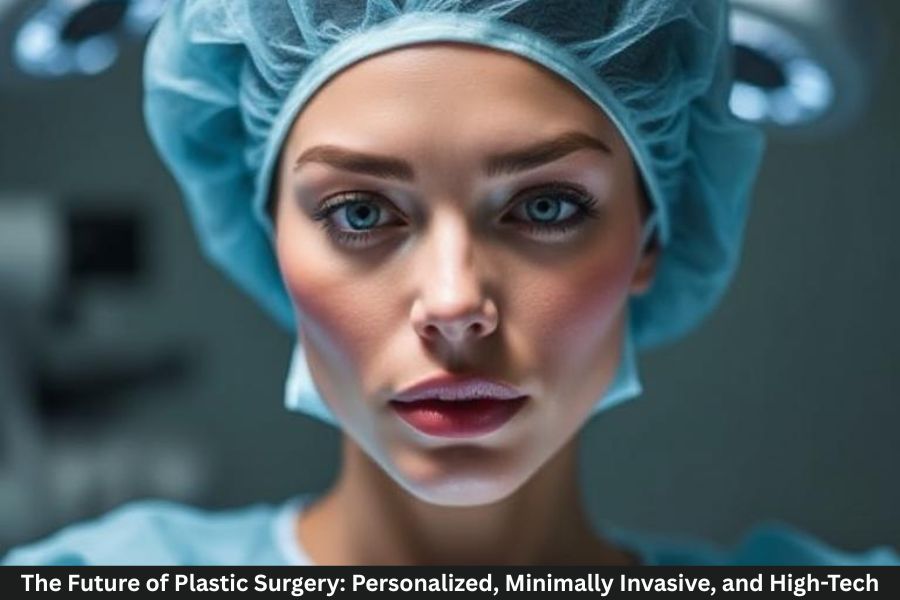
Plastic surgery is no longer just about dramatic transformations and long recovery times. Today, it’s evolving into something far more refined, personalized, and technologically advanced—almost like upgrading from a flip phone to a smartphone.
From Scalpel to Smart Technology
While traditional surgical techniques still matter, technology is now the real star of the show. Artificial intelligence, 3D imaging, robotics, and regenerative medicine are reshaping how procedures are planned, performed, and healed.
Why Plastic Surgery Is Rapidly Evolving
Patients want natural results, minimal downtime, and personalized care. At the same time, technology keeps pushing boundaries. When patient demand meets innovation, evolution happens fast.
The Shift Toward Personalization
Plastic surgery is becoming as unique as a fingerprint.
One-Size-Fits-All Is Officially Over
Gone are the days of cookie-cutter noses and identical lips. Modern patients want enhancements that suit their facial structure, lifestyle, and goals.
Customized Treatment Plans Based on Genetics
Genetic insights are beginning to influence treatment choices, healing predictions, and even scar formation. It’s like tailoring a suit—but for your body.
Facial and Body Mapping Technologies
Advanced mapping tools analyze symmetry, proportions, and movement to design procedures that look natural in real life, not just on the operating table.
Artificial Intelligence in Plastic Surgery
AI is quietly becoming the surgeon’s smartest assistant.
AI-Powered Consultations
AI tools analyze facial features, aging patterns, and proportions to suggest personalized options—helping patients understand what’s possible before committing.
Predicting Surgical Outcomes
AI can simulate outcomes based on real-world data, reducing guesswork and improving satisfaction.
Reducing Human Error with Machine Learning
By analyzing thousands of past cases, AI helps surgeons avoid complications and refine techniques.
3D Imaging and Simulation Technology
Seeing is believing—and calming.
Visualizing Results Before Surgery
Patients can now see realistic previews of potential outcomes, reducing anxiety and improving decision-making.
Improving Patient Confidence and Satisfaction
When expectations align with reality, satisfaction skyrockets.
Surgeons’ Precision and Planning Advantages
Surgeons use these simulations to plan incisions, placements, and proportions with pinpoint accuracy.
Minimally Invasive Procedures on the Rise
Why go big when small tweaks deliver big results?
Why Patients Prefer Less Downtime
Busy lifestyles demand faster recovery and fewer risks.
Non-Surgical Facial Enhancements
Injectables, threads, and energy-based treatments now replace many traditional surgeries.
Body Contouring Without Surgery
Fat reduction and muscle toning can now happen without a single incision.
Advances in Injectable Treatments
Injectables are getting smarter—and safer.
Next-Generation Fillers
New fillers move naturally with facial expressions and adapt to individual anatomy.
Longer-Lasting and More Natural Results
Less frequent treatments, better outcomes—everyone wins.
Bio-Stimulating Injectables
These encourage your body to produce its own collagen, improving skin over time.
Laser and Energy-Based Technologies
Think of these as skincare on steroids.
Skin Tightening Without Surgery
Radiofrequency and ultrasound technologies tighten skin with zero incisions.
Fat Reduction Using Energy Devices
Targeted energy breaks down fat cells safely and precisely.
Improved Safety and Precision
Modern devices adapt in real time to skin type and tissue depth.
Robotics in Plastic Surgery
Robots don’t replace surgeons—they enhance them.
How Surgical Robots Assist Surgeons
Robotics improve steadiness, precision, and consistency during delicate procedures.
Enhanced Accuracy and Reduced Trauma
Smaller incisions mean less swelling, less pain, and faster healing.
Limitations and Future Potential
While still emerging, robotic surgery is poised for major growth.
Regenerative Medicine and Plastic Surgery
Healing is becoming as important as reshaping.
Stem Cell Therapy
Stem cells improve healing, skin quality, and fat graft survival.
Platelet-Rich Plasma (PRP) Innovations
PRP accelerates recovery and enhances results naturally.
Tissue Engineering and Fat Grafting
Using your own tissue creates longer-lasting, natural outcomes.
Personalized Recovery and Aftercare
Healing is getting smarter, too.
Smart Wearables for Healing Monitoring
Wearables track swelling, movement, and recovery progress.
Customized Recovery Protocols
Recovery plans adapt to your body, not averages.
Faster Healing and Better Results
Personalized care reduces complications and downtime.
Virtual Consultations and Telemedicine
Plastic surgery is going global.
Global Access to Expert Surgeons
Patients can consult top surgeons without traveling.
Convenience and Time Efficiency
Virtual visits save time while improving access.
Limitations of Virtual Assessments
Some evaluations still require in-person exams.
Ethical and Psychological Considerations
Technology brings responsibility.
Managing Expectations with Technology
Realistic simulations prevent disappointment.
Mental Health Screening Advances
Psychological readiness is becoming part of the process.
Responsible Use of Aesthetic Technology
Ethics matter as much as innovation.
The Role of Big Data in Aesthetic Medicine
Data is shaping the future.
Analyzing Trends and Outcomes
Big data reveals what works—and what doesn’t.
Improving Patient Safety
Patterns help predict risks and prevent complications.
Continuous Procedure Optimization
Procedures evolve constantly through data insights.
Sustainability and Eco-Friendly Innovations
Even aesthetics is going green.
Reducing Medical Waste
Clinics are adopting greener practices.
Sustainable Materials and Practices
Eco-conscious innovation is gaining momentum.
What the Next Decade of Plastic Surgery Looks Like
The future is personal, subtle, and smart.
Fully Customized Aesthetic Journeys
From consultation to recovery, everything will be tailored.
Blurring Lines Between Medical and Cosmetic Care
Health, confidence, and aesthetics will merge seamlessly.
Conclusion
The future of plastic surgery isn’t about drastic change—it’s about intelligent enhancement. Personalized plans, minimally invasive procedures, and cutting-edge technology are making aesthetic care safer, smarter, and more natural than ever. As innovation continues, plastic surgery will feel less like a leap and more like a carefully guided step forward.
Frequently Asked Questions (FAQs)
1. Will plastic surgery become fully non-surgical in the future?
Not entirely, but non-surgical options will continue to expand.
2. Is AI replacing plastic surgeons?
No, AI supports decision-making but surgeons remain essential.
3. Are minimally invasive procedures safer?
They generally carry fewer risks and shorter recovery times.
4. Will personalized plastic surgery cost more?
Initially yes, but costs may decrease as technology becomes mainstream.
5. How soon will robotic plastic surgery become common?
It’s already emerging and expected to grow significantly over the next decade.

I don’t think the title of your article matches the content lol. Just kidding, mainly because I had some doubts after reading the article. https://www.binance.info/register?ref=IXBIAFVY
I don’t think the title of your article matches the content lol. Just kidding, mainly because I had some doubts after reading the article. https://accounts.binance.com/es-AR/register-person?ref=UT2YTZSU
I don’t think the title of your article matches the content lol. Just kidding, mainly because I had some doubts after reading the article. https://accounts.binance.info/el/register?ref=DB40ITMB
Thank you for your sharing. I am worried that I lack creative ideas. It is your article that makes me full of hope. Thank you. But, I have a question, can you help me?
Your point of view caught my eye and was very interesting. Thanks. I have a question for you.