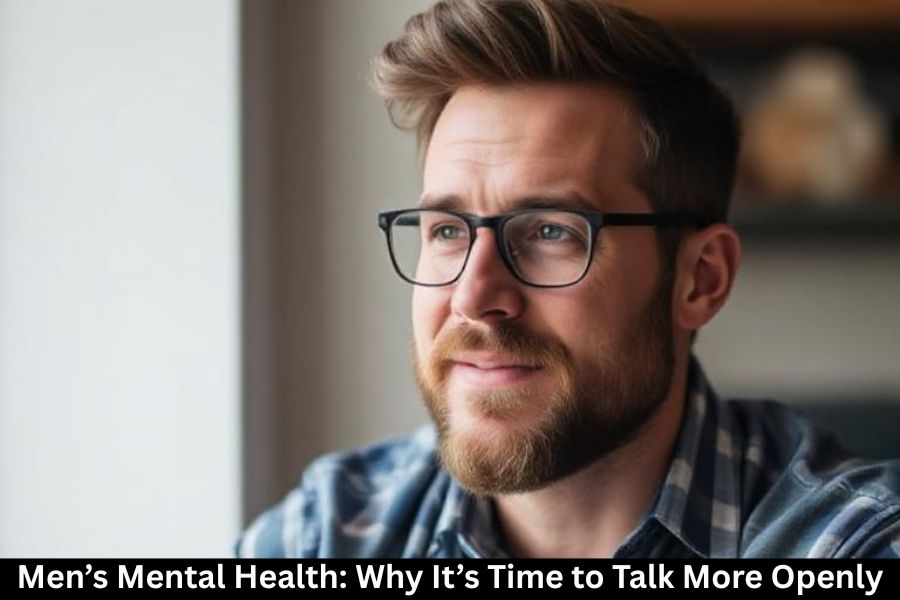
Men’s mental health has been ignored for far too long. While conversations around mental well-being are becoming more common, many men still suffer in silence. They’re told to “man up,” “stay strong,” and “deal with it.” Over time, those messages turn into emotional walls.
The truth? Silence comes at a cost. And that cost is rising anxiety, depression, burnout, addiction, and tragically, suicide. Talking openly isn’t weakness—it’s survival.
Understanding Men’s Mental Health
What Mental Health Really Means for Men
Mental health isn’t just about diagnosed disorders. It’s about emotional balance, stress management, self-worth, and resilience. For men, mental health often gets buried under responsibilities and expectations.
Common Mental Health Challenges Men Face
Men commonly experience anxiety, depression, stress, anger issues, substance abuse, and loneliness. These issues often go unnoticed because men are less likely to talk about them.
The Pressure to “Be Strong”
Cultural Expectations and Masculinity
From a young age, boys are taught that strength means silence. Crying is discouraged. Vulnerability is mocked. Over time, emotional expression feels unsafe.
How Emotional Suppression Harms Men
Suppressing emotions doesn’t make them disappear. It turns them inward, often manifesting as anger, stress, or physical illness. Emotions are like pressure—if you don’t release them, something eventually breaks.
Stigma Around Men and Mental Health
Fear of Judgment and Shame
Many men fear being labeled weak or unreliable if they admit they’re struggling. This fear keeps them from opening up—even to close friends.
Why Asking for Help Feels Like Failure
Society teaches men to solve problems alone. Asking for help feels like admitting defeat, even though it’s often the smartest move.
Anxiety in Men – Often Hidden
How Anxiety Shows Up Differently in Men
Instead of panic attacks or worry, anxiety in men often shows up as restlessness, irritability, or constant busyness.
Anger, Irritability, and Avoidance
Men may withdraw, lash out, or avoid responsibilities rather than acknowledge anxiety. These behaviors are often misunderstood.
Depression in Men – The Quiet Epidemic
Signs of Depression Men Often Ignore
Fatigue, loss of interest, sleep problems, and increased risk-taking are common signs. Many men dismiss these as “just stress.”
Why Depression Goes Undiagnosed
Men are less likely to seek professional help, leading to underdiagnosis and untreated depression.
The Link Between Mental Health and Physical Health
Stress, Heart Health, and Sleep
Chronic stress increases the risk of heart disease, high blood pressure, and sleep disorders—conditions that disproportionately affect men.
Substance Use as a Coping Mechanism
Alcohol, drugs, or overworking often become coping tools, masking deeper emotional pain.
Work, Identity, and Mental Health
Pressure to Provide and Succeed
Many men tie their self-worth to their job. Financial stress and career setbacks can deeply impact mental health.
Burnout and Work-Related Stress
Long hours and constant pressure lead to burnout, emotional exhaustion, and disconnection from personal life.
Relationships and Emotional Isolation
Difficulty Expressing Emotions
Men often struggle to articulate feelings, leading to misunderstandings and strained relationships.
Loneliness in Men
Even surrounded by people, many men feel emotionally alone. Loneliness is one of the biggest threats to men’s mental health.
Why Men Avoid Seeking Help
Lack of Mental Health Education
Many men don’t recognize symptoms or know where to seek help.
Limited Male-Friendly Support Systems
Mental health services aren’t always designed with men in mind, making access feel uncomfortable or unrelatable.
The Importance of Open Conversations
Talking Saves Lives
Open conversations reduce isolation and encourage early intervention. A simple check-in can make a huge difference.
Normalizing Vulnerability
Vulnerability builds trust and connection. It’s a strength, not a flaw.
How Society Can Support Men’s Mental Health
Changing the Narrative Around Masculinity
Strength should include emotional honesty, empathy, and self-awareness.
Encouraging Emotional Literacy
Teaching men how to name and process emotions empowers healthier coping strategies.
How Men Can Take Care of Their Mental Health
Simple Daily Mental Health Habits
Regular exercise, quality sleep, healthy routines, and time outdoors all support mental well-being.
When and How to Seek Help
If stress or sadness feels overwhelming, talking to a therapist or trusted person is a strong step forward.
Supporting the Men in Your Life
How to Start the Conversation
Ask open-ended questions. Listen without judgment. Be patient.
What to Say—and What Not to Say
Avoid dismissive phrases like “just relax.” Instead, say, “I’m here for you.”
Men’s Mental Health Across Different Life Stages
Young Men and Identity Pressure
Social media, career expectations, and peer pressure create intense stress.
Middle-Aged Men and Responsibility Stress
Balancing work, family, and finances can feel overwhelming.
Older Men and Isolation
Retirement and loss of routine can increase loneliness and depression.
Breaking the Cycle for Future Generations
Teaching Boys Emotional Expression
Encouraging boys to talk about feelings builds lifelong resilience.
Leading by Example
When men speak openly, they give others permission to do the same.
Conclusion – It’s Time to Speak Up
Men’s mental health matters. Silence isn’t strength—it’s a barrier to healing. Talking openly saves lives, strengthens relationships, and creates healthier communities. The conversation starts with one voice. Let it be yours.
FAQs
1. Why is men’s mental health often overlooked?
Cultural stigma and traditional gender roles discourage men from speaking up.
2. What are early signs of mental health issues in men?
Irritability, withdrawal, fatigue, sleep problems, and increased substance use.
3. How can men feel more comfortable seeking help?
By normalizing therapy and creating male-friendly support spaces.
4. How can partners support men’s mental health?
Listen actively, encourage openness, and avoid judgment.
5. Does talking about mental health really help?
Yes. Open conversations reduce stigma and encourage early support.


Can you be more specific about the content of your article? After reading it, I still have some doubts. Hope you can help me. https://www.binance.com/register?ref=IHJUI7TF
Your point of view caught my eye and was very interesting. Thanks. I have a question for you. https://www.binance.info/cs/register?ref=OMM3XK51
Your article helped me a lot, is there any more related content? Thanks!
Thank you for your sharing. I am worried that I lack creative ideas. It is your article that makes me full of hope. Thank you. But, I have a question, can you help me? https://accounts.binance.info/kz/register-person?ref=K8NFKJBQ
I don’t think the title of your article matches the content lol. Just kidding, mainly because I had some doubts after reading the article.
Can you be more specific about the content of your article? After reading it, I still have some doubts. Hope you can help me.
Your point of view caught my eye and was very interesting. Thanks. I have a question for you.