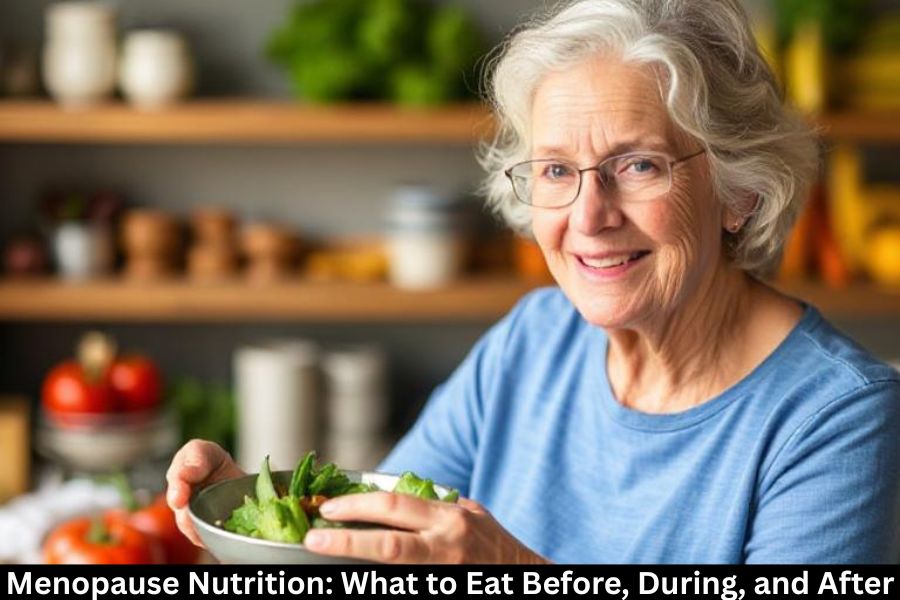
Menopause isn’t the end of vitality—it’s a transition into a new phase of life. But let’s be honest, the changes can feel overwhelming. Hot flashes, weight gain, mood swings, and low energy often show up uninvited. The good news? What you eat can make a powerful difference.
Think of nutrition during menopause as adjusting the sails, not fighting the wind. When you nourish your body correctly before, during, and after menopause, symptoms become manageable and health stays strong for the long haul.
Understanding Menopause and Nutrition
What Is Menopause and Why Nutrition Matters
Menopause officially begins when you’ve gone 12 months without a menstrual cycle. Behind the scenes, estrogen and progesterone levels decline, affecting nearly every system in your body. Nutrition becomes a key player in managing these shifts.
Food isn’t just fuel anymore—it’s information for your hormones.
Hormonal Changes That Affect Nutrient Needs
Lower estrogen impacts bone density, muscle mass, metabolism, and heart health. This means your nutrient priorities change, even if your appetite doesn’t.
The Three Stages of Menopause
Perimenopause Explained
This stage can begin years before menopause. Hormones fluctuate wildly, leading to irregular cycles, cravings, fatigue, and mood swings.
Menopause
Estrogen drops significantly, triggering hot flashes, sleep issues, and metabolic slowdown.
Postmenopause and Long-Term Health
After menopause, symptoms may settle, but risks for osteoporosis and heart disease increase—making nutrition more important than ever.
Key Nutrients Every Woman Needs During Menopause
Calcium and Vitamin D for Bone Health
Bone loss accelerates after menopause. Calcium-rich foods like dairy, leafy greens, and fortified options—paired with vitamin D—help protect bone strength.
Protein for Muscle and Metabolism
Muscle mass naturally declines with age. Adequate protein keeps metabolism active and supports strength.
Menopause Nutrition Before Menopause (Perimenopause)
Foods That Balance Hormones Naturally
Whole foods rich in fiber, healthy fats, and phytoestrogens (like flaxseeds and soy) help smooth hormonal fluctuations.
Stabilizing Blood Sugar Levels
Blood sugar swings worsen mood changes and cravings. Pair carbs with protein and fat to keep energy steady.
What to Eat During Menopause
Foods That Reduce Hot Flashes
Cooling foods like fruits, vegetables, and omega-3-rich fish may reduce inflammation and temperature sensitivity.
Anti-Inflammatory Foods for Joint and Mood Health
Turmeric, berries, olive oil, and fatty fish help ease joint stiffness and support emotional balance.
Nutrition After Menopause
Supporting Heart Health
Postmenopausal women face higher cardiovascular risk. Fiber-rich foods, healthy fats, and lean proteins protect heart health.
Preventing Weight Gain and Muscle Loss
Focus on nutrient-dense foods rather than cutting calories aggressively. Strength-supporting nutrition matters more than restriction.
Best Foods for Menopause
Fruits and Vegetables That Support Hormones
Cruciferous vegetables, berries, and leafy greens support estrogen metabolism and reduce inflammation.
Healthy Fats and Phytoestrogens
Avocados, nuts, seeds, olive oil, and soy foods provide hormone-supportive fats and plant estrogens.
Foods to Limit or Avoid During Menopause
Sugar, Refined Carbs, and Processed Foods
These spike blood sugar and worsen weight gain, fatigue, and mood swings.
Caffeine and Alcohol Triggers
Caffeine and alcohol can intensify hot flashes, anxiety, and sleep disturbances.
Gut Health and Menopause
The Gut–Hormone Connection
A healthy gut helps regulate estrogen levels. Poor digestion can worsen menopausal symptoms.
Probiotics and Fiber-Rich Foods
Yogurt, fermented foods, legumes, and whole grains support digestion and hormone balance.
Menopause, Weight Gain, and Metabolism
Why Weight Shifts Happen
Hormonal changes alter fat distribution and slow metabolism, especially around the abdomen.
Smart Eating Strategies That Work
Eat protein at every meal, prioritize fiber, and avoid extreme dieting—it backfires.
Hydration and Menopause
Why Water Matters More Than Ever
Hydration helps regulate body temperature, digestion, and joint health during menopause.
Signs of Dehydration During Menopause
Dry skin, headaches, fatigue, and increased hot flashes are common signs.
Supplements to Consider During Menopause
Magnesium, Omega-3s, and B Vitamins
These support sleep, mood, heart health, and energy.
When Supplements Are Necessary
Supplements help fill gaps but should support—not replace—a balanced diet.
One-Day Sample Menopause-Friendly Meal Plan
Breakfast, Lunch, Dinner, and Snacks
- Breakfast: Greek yogurt with berries and flaxseeds
- Lunch: Grilled salmon, quinoa, and leafy greens
- Snack: Nuts and fruit
- Dinner: Lentil curry with vegetables and brown rice
Simple Swaps for Everyday Meals
Swap white bread for whole grains, sugary snacks for fruit, and fried foods for baked or grilled options.
Lifestyle Habits That Support Menopause Nutrition
Mindful Eating and Stress Reduction
Stress worsens symptoms. Slow, mindful meals support digestion and hormone balance.
Sleep, Exercise, and Nutrition Balance
Nutrition works best alongside good sleep and regular movement.
Conclusion
Menopause is not a problem to fix—it’s a phase to support. With the right nutrition before, during, and after menopause, you can reduce symptoms, protect long-term health, and feel strong in your body again. Food becomes your ally when you choose it wisely.
FAQs
1. Can diet really reduce menopausal symptoms?
Yes, the right foods can significantly ease hot flashes, fatigue, and mood swings.
2. Is soy safe during menopause?
Yes, moderate soy intake is safe and may help balance hormones.
3. Why is protein so important after menopause?
It preserves muscle mass and supports metabolism.
4. Should I avoid carbs completely?
No—choose whole, fiber-rich carbs instead of refined ones.
5. Do all women gain weight during menopause?
Not necessarily. Balanced nutrition and lifestyle habits make a big difference.
I don’t think the title of your article matches the content lol. Just kidding, mainly because I had some doubts after reading the article. https://accounts.binance.com/register-person?ref=IHJUI7TF
Your article helped me a lot, is there any more related content? Thanks!
Thank you for your sharing. I am worried that I lack creative ideas. It is your article that makes me full of hope. Thank you. But, I have a question, can you help me?
I will immediately clutch your rss as I can not in finding your email subscription link or newsletter service. Do you have any? Please allow me recognise in order that I may just subscribe. Thanks.
qrawve buy dapoxetine pills wztyqbfrs
Can you be more specific about the content of your article? After reading it, I still have some doubts. Hope you can help me.
Your article helped me a lot, is there any more related content? Thanks!
Thanks for sharing. I read many of your blog posts, cool, your blog is very good.
Hi, I log on to your blogs like every week. Your story-telling style is witty, keep doing what you’re doing!
I will immediately clutch your rss feed as I can not find your email subscription link or newsletter service. Do you’ve any? Please allow me recognise so that I could subscribe. Thanks.
Whoa! This blog looks just like my old one! It’s on a totally different subject but it has pretty much the same page layout and design. Wonderful choice of colors!
… [Trackback]
[…] There you will find 12298 more Infos: pharmacy-dairy.xyz/advil-pm-coupon/ […]
Greetings! Very useful advice in this particular post! It is the little changes that make the largest changes. Many thanks for sharing!
I visited multiple blogs but the audio quality for audio songs current at this site is genuinely superb.
I am glad to be one of several visitors on this great internet site (:, regards for posting.
We’re a bunch of volunteers and starting a new scheme in our community. Your site provided us with valuable info to work on. You have done an impressive job and our entire group can be thankful to you.
Hello! I’ve been following your blog for a while now and finally got the bravery to go ahead and give you a shout out from Porter Tx! Just wanted to say keep up the excellent job!
I went over this internet site and I think you have a lot of fantastic information, saved to fav (:.
If you desire to get a good deal from this post then you have to apply such methods to your won blog.
Hi there everyone, it’s my first go to see at this web page, and article is actually fruitful in support of me, keep up posting these posts.
Valuable information. Fortunate me I discovered your web site by accident, and I am surprised why this twist of fate didn’t came about earlier! I bookmarked it.
These are truly wonderful ideas in on the topic of blogging. You have touched some good things here. Any way keep up wrinting.
Ahaa, its nice dialogue on the topic of this post at this place at this web site, I have read all that, so at this time me also commenting here.
Hi, I do think this is an excellent site. I stumbledupon it 😉 I’m going to return yet again since I saved as a favorite it. Money and freedom is the greatest way to change, may you be rich and continue to help others.
This was such a helpful read! I’ve been seeing a lot of buzz about the ghost vape lately and this really clarified things for me.