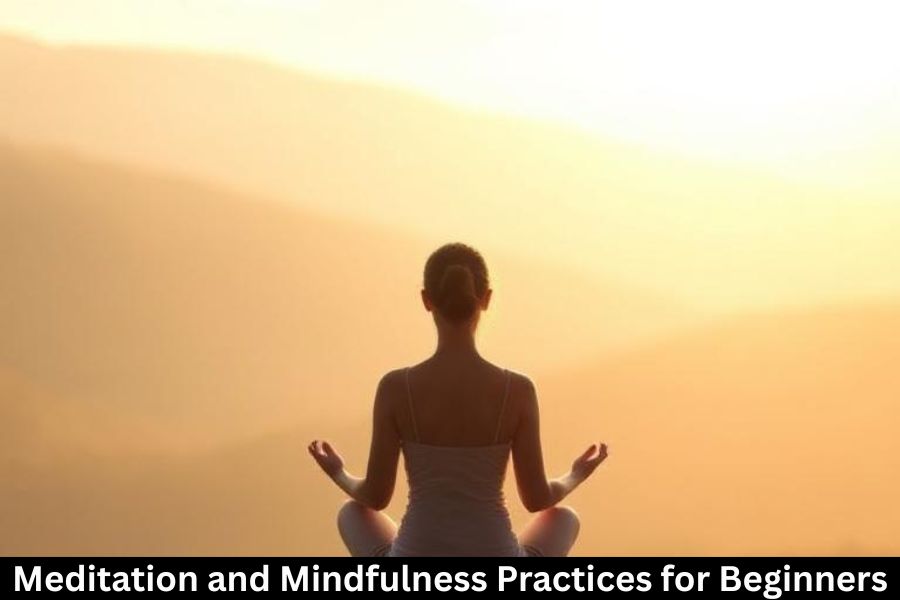
Meditation isn’t about emptying your mind or floating into a blissful state like a monk on a mountain. At its core, meditation is simply the practice of paying attention. That’s it. You sit, you notice, and you gently bring your focus back when it wanders.
Think of meditation like training a puppy. The mind runs off constantly, and your job isn’t to punish it—it’s to patiently bring it back.
Mindfulness vs Meditation
Meditation is a practice. Mindfulness is a way of living. Meditation trains mindfulness, and mindfulness shows up in everyday moments—while eating, walking, or even brushing your teeth.
They’re teammates, not rivals.
Why Beginners Should Practice Meditation
Benefits for Mental Health
Meditation helps quiet mental noise. It reduces stress, eases anxiety, and creates space between you and your thoughts. Instead of being swept away by worries, you learn to observe them.
Benefits for Physical Health
Regular meditation supports better sleep, lower blood pressure, and improved immune function. When the mind relaxes, the body follows—like dominoes falling in a calm direction.
Emotional Balance and Clarity
Meditation doesn’t remove emotions; it helps you handle them better. You respond instead of reacting.
Common Myths About Meditation
“My Mind Is Too Busy to Meditate”
A busy mind isn’t a problem—it’s the reason to meditate. Everyone’s mind wanders. Meditation isn’t about stopping thoughts; it’s about noticing them without getting dragged along.
“Meditation Is a Religious Practice”
While meditation has roots in spiritual traditions, modern meditation is secular and science-backed. You don’t need beliefs—just curiosity.
Understanding Mindfulness
The Concept of Being Present
Mindfulness means paying attention to the present moment without judgment. Not yesterday. Not tomorrow. Just now.
It’s like turning off autopilot and actually driving your life.
Everyday Mindfulness Examples
Drinking tea and tasting it. Listening without planning your reply. Feeling your feet hit the ground as you walk. Mindfulness lives in ordinary moments.
How Meditation and Mindfulness Work Together
Training the Mind Like a Muscle
Meditation strengthens attention the way exercise strengthens muscles. Each time you notice your mind wandering and bring it back, you’re building mental strength.
Awareness Without Judgment
The magic isn’t focus—it’s kindness. You notice distractions without criticizing yourself.
Preparing to Start Meditation
Choosing the Right Time
Morning offers clarity; evening offers release. Choose a time you can stick to.
Creating a Calm Space
You don’t need a fancy setup. A quiet corner and a few minutes are enough.
Comfortable Posture Basics
Sit upright but relaxed. Comfort beats perfection.
Types of Meditation for Beginners
Breathing Meditation
Focus on your breath. When thoughts arise, return to breathing. Simple. Powerful.
Body Scan Meditation
Bring awareness to different parts of your body. Great for relaxation and sleep.
Loving-Kindness Meditation
Send kind thoughts to yourself and others. It softens the heart.
Guided Meditation
Perfect for beginners. Someone else guides your focus so you don’t have to guess.
Step-by-Step Beginner Meditation Routine
A 5-Minute Daily Practice
Sit comfortably. Close your eyes. Focus on breathing. Notice thoughts. Return to breath. Done.
What to Do When the Mind Wanders
Smile. Gently return. That’s the practice.
Mindfulness Practices You Can Do Anywhere
Mindful Eating
Eat slowly. Taste fully. No phone. No rush.
Mindful Walking
Notice steps, breath, surroundings. Walking becomes meditation.
Mindful Listening
Listen to understand, not respond.
How Long and How Often Should You Meditate?
Starting Small and Staying Consistent
Five minutes daily beats one hour once a week.
Building a Sustainable Habit
Attach meditation to an existing habit, like after waking up.
Dealing With Common Challenges
Restlessness and Discomfort
Adjust posture. Shorten sessions. Be patient.
Lack of Time and Motivation
You don’t find time—you make it.
Meditation for Stress, Anxiety, and Focus
Calming the Nervous System
Meditation activates the body’s relaxation response.
Improving Concentration
Focus improves naturally with practice.
Using Apps and Tools for Meditation
Meditation Apps for Beginners
Apps provide structure and guidance.
Music, Timers, and Journals
Simple tools support consistency.
Integrating Mindfulness Into Daily Life
Mindfulness at Work
Pause. Breathe. Focus on one task at a time.
Mindfulness in Relationships
Presence is the greatest gift you can offer.
Long-Term Benefits of Meditation Practice
Emotional Resilience
You bounce back faster from stress.
Greater Self-Awareness
You understand yourself more deeply.
When Meditation Feels Difficult
Being Kind to Yourself
Progress isn’t linear. Be gentle.
Knowing When to Seek Guidance
Teachers and communities can help.
Conclusion
Meditation and mindfulness aren’t about changing who you are—they’re about meeting yourself where you are. For beginners, the journey starts with a single breath and a little patience. Over time, these simple practices reshape how you respond to stress, emotions, and life itself. Start small, stay curious, and let the practice meet you halfway.
Frequently Asked Questions (FAQs)
1. How long should beginners meditate each day?
Start with 5 minutes and build gradually.
2. Is it okay if I fall asleep while meditating?
Yes, especially at first—it means your body needs rest.
3. Can mindfulness help with anxiety?
Yes, it helps create space between thoughts and reactions.
4. Do I need to sit cross-legged to meditate?
No, any comfortable position works.
5. How soon will I see results from meditation?
Some feel benefits quickly; for others, it builds gradually.



Thank you for your sharing. I am worried that I lack creative ideas. It is your article that makes me full of hope. Thank you. But, I have a question, can you help me?