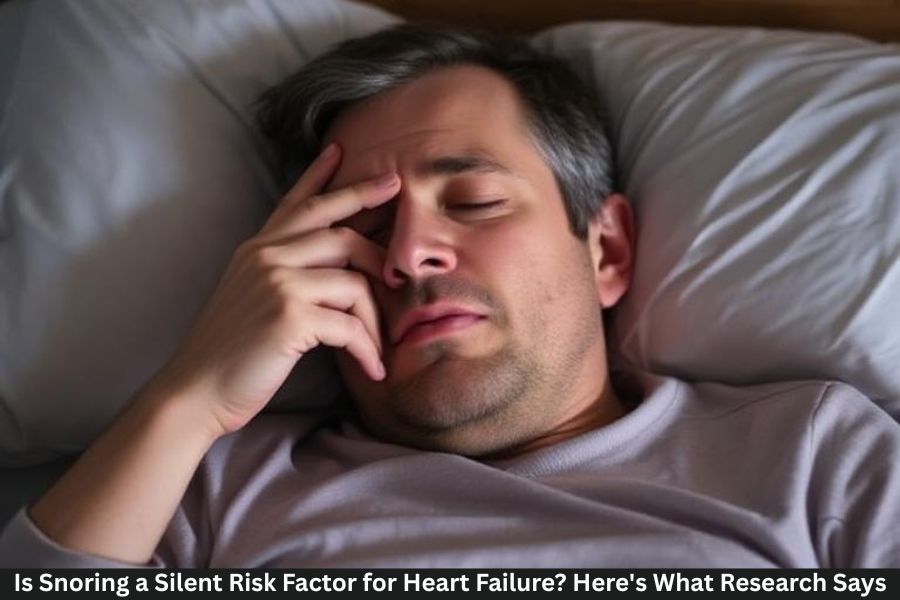
Snoring is usually brushed off as a harmless annoyance—something to joke about or nudge your partner for at 2 a.m. But what if that nighttime noise is more than just a sleep disruption? What if it’s your body waving a red flag?
Snoring—Annoying Habit or Health Warning?
For years, snoring lived in the “minor problem” category. Loud? Yes. Dangerous? Probably not—or so we thought. Emerging research paints a different picture, suggesting that chronic snoring may be quietly stressing the heart night after night.
Why This Question Matters More Than Ever
Heart failure rates are rising worldwide, and many risk factors hide in plain sight. If snoring is part of that puzzle, ignoring it could mean missing an early warning sign that’s begging for attention.
Understanding Snoring at a Deeper Level
To understand the risk, we first need to understand the mechanism.
What Actually Happens When You Snore
Airway Obstruction and Vibration
Snoring occurs when airflow is partially blocked during sleep. Relaxed throat muscles narrow the airway, causing tissues to vibrate like a loose guitar string.
The Role of Oxygen Levels
That vibration isn’t just noisy—it disrupts airflow. Less airflow means less oxygen, forcing your body into mini survival mode multiple times a night.
Types of Snoring You Should Know About
Occasional snoring from congestion is usually harmless. Chronic, loud, and frequent snoring—especially with gasping or choking—signals something more serious.
The Science Behind Heart Failure
Before connecting the dots, let’s clarify what heart failure actually is.
What Is Heart Failure, Really?
Heart failure doesn’t mean the heart stops. It means the heart can’t pump blood efficiently enough to meet the body’s needs.
Early vs Advanced Heart Failure
Early stages may feel subtle—fatigue, shortness of breath, mild swelling. Advanced stages are more obvious and far more dangerous.
Common Risk Factors for Heart Failure
High blood pressure, diabetes, obesity, smoking, and poor sleep all strain the heart. Notice that last one? Sleep matters more than most people think.
The Snoring–Heart Connection
This is where things get interesting—and concerning.
How Snoring Affects the Cardiovascular System
Every snore creates vibration and pressure changes in the airway, which can irritate blood vessels and increase inflammation.
Repeated Oxygen Drops and Heart Stress
When oxygen levels dip repeatedly, the heart works harder to compensate. Imagine sprinting every few minutes all night long—that’s what your heart experiences.
Nighttime Blood Pressure Spikes
Snoring-related breathing disruptions can cause sudden spikes in blood pressure, increasing wear and tear on the heart.
What Research Says About Snoring and Heart Failure
Science doesn’t speak in whispers here—it’s getting louder.
Snoring vs Obstructive Sleep Apnea
Snoring alone isn’t always the villain. The real danger appears when snoring is linked to obstructive sleep apnea (OSA).
Key Findings From Long-Term Studies
Multiple studies show that people with chronic snoring and untreated sleep apnea have a significantly higher risk of developing heart failure over time.
Why Chronic Snoring Is Not “Harmless”
Even without full-blown apnea, habitual snoring may indicate airway instability that stresses the cardiovascular system.
Obstructive Sleep Apnea: The Missing Link
This condition connects the dots between noise and heart damage.
How Sleep Apnea Develops
During sleep, the airway collapses repeatedly, stopping breathing for seconds at a time. The brain jolts the body awake to restart breathing.
Why Snorers Are at Higher Risk
Nearly all people with OSA snore, but not all snorers have OSA. Chronic snoring is often the doorway condition.
Sleep Apnea and Heart Remodeling
Repeated oxygen deprivation can enlarge and stiffen the heart, reducing its efficiency and paving the way to heart failure.
Warning Signs You Shouldn’t Ignore
Your body often whispers before it screams.
Symptoms During Sleep
Loud snoring, choking sounds, restless sleep, and frequent awakenings are major red flags.
Daytime Symptoms Linked to Heart Stress
Excessive sleepiness, morning headaches, brain fog, and irritability may signal nighttime oxygen deprivation.
Red Flags That Require Medical Attention
Chest discomfort, shortness of breath, swelling in legs, or extreme fatigue should never be ignored.
Who Is Most at Risk?
Not all snorers face the same level of danger.
Age, Gender, and Genetics
Middle-aged and older adults, especially men, are at higher risk. Family history also plays a role.
Lifestyle Factors That Multiply Risk
Obesity, alcohol consumption, smoking, and sedentary habits amplify both snoring severity and heart strain.
Existing Conditions That Make Snoring Dangerous
High blood pressure, diabetes, and lung disease increase vulnerability to heart complications.
Can Snoring Directly Cause Heart Failure?
This is the million-dollar question.
Correlation vs Causation Explained Simply
Snoring itself isn’t punching the heart—but the physiological stress it represents might be.
How Long-Term Strain Changes the Heart
Years of disrupted oxygen and pressure surges can weaken heart muscle, contributing to failure over time.
Diagnosis and Medical Evaluation
Early action can change everything.
When to See a Doctor
If snoring is loud, persistent, and paired with fatigue or breathing pauses, it’s time.
Sleep Studies and Heart Tests
Sleep studies, echocardiograms, and blood pressure monitoring help reveal hidden risks.
Why Early Diagnosis Matters
Treating sleep-related breathing issues early can prevent irreversible heart damage.
Treatment Options That Protect the Heart
The good news? Solutions exist.
Treating Snoring at the Source
Weight loss, positional therapy, nasal treatments, and oral appliances can reduce snoring.
Managing Sleep Apnea
CPAP therapy remains the gold standard, dramatically reducing heart strain.
Heart-Friendly Lifestyle Changes
Exercise, balanced nutrition, stress reduction, and consistent sleep routines strengthen both sleep and heart health.
Can Treating Snoring Reduce Heart Failure Risk?
Evidence strongly suggests yes.
What Happens When Sleep Improves
Better oxygen levels reduce blood pressure, inflammation, and cardiac workload.
Long-Term Benefits for Heart Health
Consistent treatment lowers the risk of heart failure, arrhythmias, and stroke.
Preventive Steps You Can Take Today
Small steps add up fast.
Sleep Position and Weight Management
Side sleeping and modest weight loss can significantly reduce snoring.
Alcohol, Smoking, and Sleep Hygiene
Avoid alcohol before bed, quit smoking, and prioritize quality sleep.
Building a Heart-Smart Sleep Routine
Think of sleep as nightly maintenance for your heart—skip it, and things break down.
Conclusion
Snoring isn’t just background noise—it’s information. For many people, it’s an early warning signal of cardiovascular stress that shouldn’t be ignored. While snoring alone doesn’t guarantee heart failure, research shows it can be a silent contributor when left untreated. Listening to your sleep could be one of the smartest heart-health decisions you ever make.
FAQs
1. Can mild snoring still affect heart health?
Yes, chronic mild snoring may still indicate airway instability and cardiovascular stress.
2. Does everyone who snores have sleep apnea?
No, but most people with sleep apnea do snore, making it an important screening symptom.
3. Can treating sleep apnea reverse heart damage?
Early treatment can improve heart function and prevent further damage.
4. Is snoring worse as you age?
Often yes, due to muscle relaxation, weight changes, and airway structure shifts.
5. What’s the fastest way to know if snoring is dangerous?
A sleep study is the most reliable way to assess risk.

Thank you for your sharing. I am worried that I lack creative ideas. It is your article that makes me full of hope. Thank you. But, I have a question, can you help me?