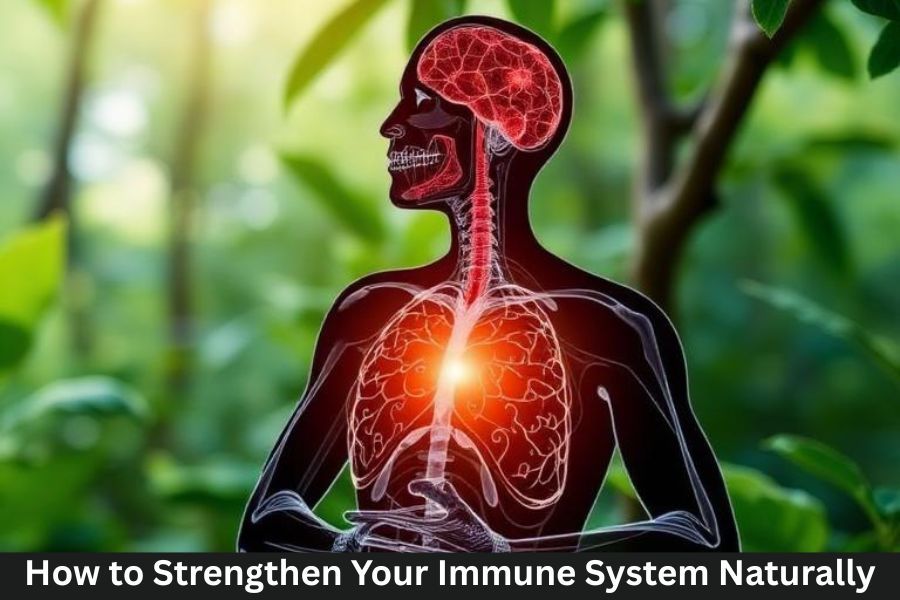
A strong immune system acts like your body’s personal superhero—ready to fight off viruses, bacteria, and other intruders. But unlike superheroes, your immune system thrives on care, nourishment, and smart lifestyle choices. Think of it as a garden: give it the right soil, sunlight, and water, and it will flourish. Neglect it, and weeds—like illness—can take over.
Introduction
Why a Strong Immune System Matters
Your immune system is your frontline defense. A robust immune system reduces your risk of infections, speeds up recovery, and supports overall health. With seasonal flu, emerging viruses, and everyday germs, keeping your defenses strong is more important than ever.
Natural vs. Artificial Ways to Boost Immunity
While supplements and medications can help when needed, the best way to strengthen your immunity is through natural lifestyle habits. A balanced diet, proper sleep, exercise, and stress management are all pillars of lasting immune support.
Eat a Balanced Diet
Fruits and Vegetables for Vitamins and Minerals
Colorful fruits and vegetables supply essential vitamins like C, A, and E, and minerals such as zinc and selenium. These nutrients help your immune cells function efficiently. Think of them as the fuel and tools your body needs to fight off invaders.
Protein Sources for Immune Support
Protein is essential for building antibodies and immune cells. Include lean meats, fish, eggs, legumes, and nuts to ensure your body has the building blocks it needs.
Foods Rich in Antioxidants
Berries, nuts, dark chocolate, and green tea contain antioxidants that combat oxidative stress, helping your immune system stay strong and responsive.
Stay Hydrated
Importance of Water for Immunity
Water supports the circulation of immune cells, helps flush out toxins, and maintains mucous membranes that trap germs. Aim for 8–10 glasses daily, adjusting for activity level and climate.
Benefits of Herbal Teas and Broths
Herbal teas like ginger, chamomile, or green tea offer antioxidants and anti-inflammatory properties. Warm broths can soothe the body while supporting nutrient intake.
Get Adequate Sleep
How Sleep Impacts Immunity
During sleep, your body produces cytokines—proteins that fight infection. Chronic sleep deprivation reduces the production of these protective proteins, leaving you more susceptible to illness.
Tips for Better Sleep Quality
- Stick to a consistent sleep schedule
- Create a calm, dark, cool bedroom environment
- Limit screen time before bed
Exercise Regularly
Moderate Exercise Benefits
Regular, moderate exercise increases circulation, reduces inflammation, and boosts immune cell activity. Think brisk walking, swimming, or cycling for at least 150 minutes per week.
Avoiding Overtraining and Stress
Excessive intense exercise can temporarily suppress immune function. Balance workouts with rest and recovery days to prevent burnout.
Manage Stress
Connection Between Stress and Immune Health
Chronic stress floods your body with cortisol, which can weaken immunity. Managing stress is as vital as diet and exercise for staying healthy.
Stress-Relief Techniques (Meditation, Yoga, etc.)
Mindfulness meditation, deep breathing exercises, yoga, or even simple walks in nature help lower stress and keep your immune system in top form.
Maintain a Healthy Gut
Role of Gut Microbiome in Immunity
About 70% of your immune system resides in the gut. A healthy microbiome improves immune response and reduces inflammation.
Probiotics and Fermented Foods
Yogurt, kefir, kimchi, sauerkraut, and other fermented foods support gut health and provide beneficial bacteria that aid immunity.
Limit Sugar and Processed Foods
How Sugar Weakens the Immune System
Excess sugar impairs white blood cell function and promotes inflammation, leaving your body vulnerable to infections.
Healthy Alternatives
Opt for natural sweeteners like honey, maple syrup, or fresh fruit to satisfy cravings without compromising immunity.
Get Sunlight and Vitamin D
Vitamin D’s Role in Immune Function
Vitamin D is critical for immune regulation and helps activate immune defenses against pathogens.
Safe Sun Exposure Tips
Spend 10–20 minutes in sunlight daily on arms and face, or consider supplements if you live in areas with limited sunlight.
Avoid Smoking and Limit Alcohol
Negative Effects of Smoking
Smoking damages the lungs, impairs immune cell function, and increases susceptibility to infections.
How Alcohol Impacts Immunity
Excessive alcohol disrupts immune signaling and weakens the body’s response to pathogens. Moderation is key.
Herbal Supplements and Natural Remedies
Echinacea, Elderberry, and Garlic
These natural remedies can enhance immune function, reduce inflammation, and may shorten the duration of colds and flu.
How to Use Supplements Safely
Always follow recommended doses and consult a healthcare professional, especially if you have existing health conditions or take medications.
Practice Good Hygiene
Handwashing and Infection Prevention
Regular handwashing reduces exposure to viruses and bacteria, preventing infections before they start.
Clean Living Environment Tips
Keep commonly touched surfaces clean, avoid close contact with sick individuals, and maintain a tidy environment to reduce germ exposure.
Stay Socially Connected
Emotional Health and Immune Function
Positive social interactions and emotional support have been shown to boost immune responses and reduce stress-related vulnerability.
Building Positive Relationships
Regularly connecting with friends, family, and community supports both mental and physical health.
Listen to Your Body
Recognizing Early Signs of Illness
Pay attention to fatigue, persistent colds, or unusual symptoms. Early recognition allows prompt care and quicker recovery.
Adjusting Lifestyle for Recovery
Rest, proper nutrition, hydration, and stress management help the immune system rebound after illness.
Conclusion
Strengthening your immune system naturally isn’t about quick fixes or miracle supplements—it’s a lifestyle. By eating well, staying active, managing stress, sleeping adequately, and supporting your gut and overall health, you give your body the tools it needs to defend itself. Think of your immune system as a garden: consistent care yields vibrant, resilient defenses that can handle whatever comes your way.
FAQs
1. How long does it take to naturally boost immunity?
Immune improvements can begin within weeks of adopting healthy habits, but long-term consistency offers the best protection.
2. Can diet alone strengthen my immune system?
Diet is crucial, but sleep, exercise, stress management, and lifestyle habits all play significant roles.
3. Are supplements necessary for immunity?
Supplements can help if you have deficiencies, but a balanced diet and healthy lifestyle are more effective overall.
4. How does stress specifically affect immunity?
Chronic stress increases cortisol, which suppresses immune function, making you more vulnerable to infections.
5. Can exercise ever weaken immunity?
Yes, overtraining or prolonged intense workouts without recovery can temporarily impair immune function.


Your point of view caught my eye and was very interesting. Thanks. I have a question for you. https://www.binance.com/ru/register?ref=O9XES6KU
I don’t think the title of your article matches the content lol. Just kidding, mainly because I had some doubts after reading the article. https://www.binance.info/el/register?ref=DB40ITMB
Thank you for your sharing. I am worried that I lack creative ideas. It is your article that makes me full of hope. Thank you. But, I have a question, can you help me? https://www.binance.info/da-DK/register?ref=V3MG69RO
I don’t think the title of your article matches the content lol. Just kidding, mainly because I had some doubts after reading the article.
I don’t think the title of your article matches the content lol. Just kidding, mainly because I had some doubts after reading the article.
Your point of view caught my eye and was very interesting. Thanks. I have a question for you.