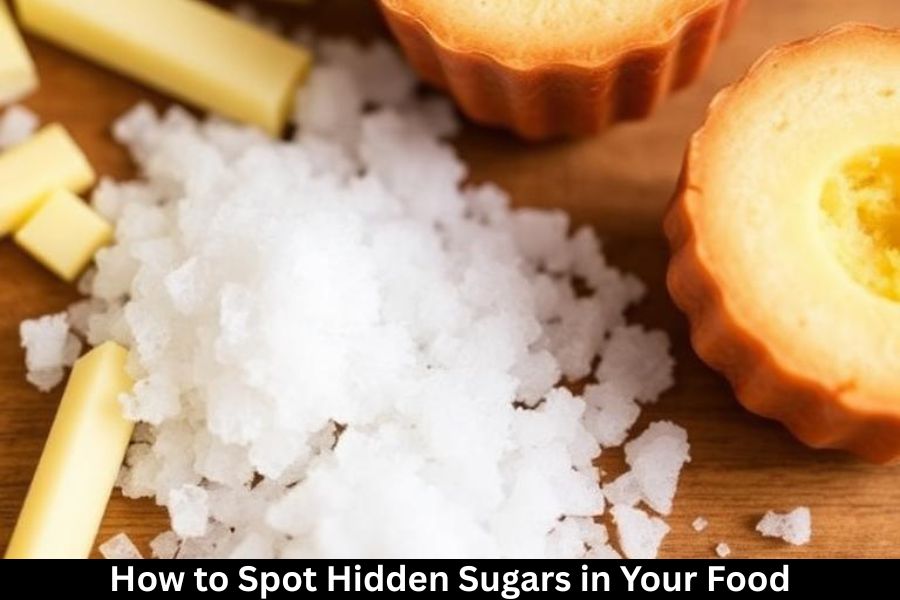
Sugar isn’t always the obvious white crystals in your coffee. It’s sneaky. It hides behind fancy names, disguises itself as “healthy,” and quietly piles up until your body starts waving red flags. Learning how to spot hidden sugars is like turning on the lights in a dark room—suddenly, everything becomes clear. Let’s break it down in a simple, practical way.
Introduction to Hidden Sugars
What Are Hidden Sugars?
Hidden sugars are added sugars tucked into foods you wouldn’t normally consider sweet. Think pasta sauce, bread, salad dressings, or even soup. They don’t taste like dessert, but they still behave like sugar once inside your body.
Why Hidden Sugars Are a Problem
The problem isn’t just sugar—it’s unknowingly eating too much of it. Hidden sugars sneak past your awareness, pushing you over daily limits without you realizing it.
Why Food Companies Add Hidden Sugars
Taste Enhancement
Sugar makes food more appealing. Even a small amount can make flavors pop, keeping you coming back for more.
Shelf Life and Preservation
Sugar acts as a preservative, helping products last longer on shelves. Longer shelf life equals more profit.
Marketing and Consumer Psychology
Sweetness triggers pleasure centers in the brain. It’s not accidental—it’s strategic.
Health Risks of Hidden Sugars
Blood Sugar Spikes and Crashes
Hidden sugars cause rapid spikes in blood glucose, followed by crashes that leave you tired, hungry, and irritable.
Weight Gain and Obesity
Excess sugar turns into stored fat. Over time, this contributes to stubborn weight gain.
Increased Risk of Chronic Diseases
High sugar intake is linked to type 2 diabetes, heart disease, fatty liver disease, and inflammation.
Common Foods with Hidden Sugars
Packaged and Processed Foods
Crackers, frozen meals, canned soups, and bread often contain added sugars—even savory ones.
“Healthy” Foods That Aren’t So Healthy
Yogurt and Breakfast Cereals
Flavored yogurts and cereals can contain more sugar than dessert.
Granola Bars and Protein Snacks
Many “fitness” snacks are basically candy bars in disguise.
Sauces, Dressings, and Condiments
Ketchup, BBQ sauce, pasta sauce, and salad dressings are major sugar offenders.
Understanding Food Labels
Reading the Nutrition Facts Panel
Always check the sugar line—but don’t stop there.
Added Sugars vs Total Sugars
Total sugars include natural sugars. Added sugars tell you how much extra sugar has been put in.
Serving Size Tricks
A product may look low in sugar—until you realize the serving size is unrealistically small.
Different Names for Sugar You Should Know
Natural-Sounding Sugar Names
- Cane juice
- Coconut sugar
- Honey
- Agave nectar
Chemical and Scientific Sugar Names
- Dextrose
- Maltose
- Fructose
- Glucose
Syrups and Concentrates
- High-fructose corn syrup
- Rice syrup
- Barley malt
- Fruit juice concentrate
If it ends in “-ose” or says “syrup,” it’s sugar.
How to Spot Hidden Sugars Like a Pro
Ingredient List Order Matters
Ingredients are listed by weight. If sugar appears in the first three ingredients, that’s a red flag.
Multiple Sugars in One Product
Manufacturers often use several types of sugar so none appear first on the list.
Buzzwords That Should Raise Red Flags
Words like “low-fat,” “energy,” “natural,” and “fitness” often mean extra sugar has been added.
Sugar in Drinks – The Biggest Trap
Fruit Juices and Smoothies
Even 100% fruit juice lacks fiber and delivers sugar fast.
Soft Drinks and Energy Drinks
These are sugar bombs, plain and simple.
Coffee and Tea Add-ons
Flavored syrups, creamers, and sweetened milks can turn drinks into desserts.
Eating Out and Hidden Sugars
Restaurant Meals
Restaurants use sugar to enhance flavor. Sauces and glazes are the usual culprits.
Fast Food and Takeout
Burgers, wraps, and even fries may contain added sugars.
“Low-Fat” and “Light” Menu Items
Fat is often replaced with sugar to maintain taste.
How Much Sugar Is Too Much?
Daily Recommended Sugar Intake
Health guidelines suggest limiting added sugar to about 25–36 grams per day.
How Quickly Sugar Adds Up
One soda, one snack bar, and one flavored yogurt can exceed that limit easily.
Smart Swaps to Reduce Hidden Sugars
Whole Foods Over Processed Foods
Whole foods don’t need labels—and they don’t hide sugar.
Homemade Alternatives
Make your own sauces, dressings, and snacks when possible.
Healthier Sweeteners
Use small amounts of honey or maple syrup instead of refined sugar—but still in moderation.
Training Your Taste Buds
Reducing Sugar Gradually
Cut back slowly to avoid cravings and withdrawal-like symptoms.
Appreciating Natural Flavors
As sugar decreases, natural sweetness becomes more noticeable.
Tips for Grocery Shopping
Shop the Perimeter
Fresh produce, meat, and dairy are usually around the edges of the store.
Don’t Shop Hungry
Hunger makes sugar-filled foods more tempting.
Compare Brands Carefully
Different brands of the same product can vary wildly in sugar content.
Hidden Sugars and Children’s Foods
Kids’ Snacks and Drinks
Juice boxes, cereals, and snacks often contain shocking amounts of sugar.
How to Protect Children from Excess Sugar
Offer whole fruits, water, and homemade snacks whenever possible.
Building Long-Term Sugar Awareness
Creating Sustainable Habits
This isn’t about perfection—it’s about awareness.
Staying Consistent Without Perfection
Occasional treats are fine. Daily habits matter more.
Conclusion
Hidden sugars are everywhere, but once you know how to spot them, they lose their power. Reading labels, understanding ingredient lists, and choosing whole foods can dramatically reduce your sugar intake without sacrificing enjoyment. Think of it as learning a new language—the language of food labels. Once you’re fluent, you’re in control.
FAQs
1. Is natural sugar better than added sugar?
Natural sugar in whole fruits comes with fiber and nutrients, making it far healthier.
2. Are sugar-free products always better?
Not necessarily. Many contain artificial sweeteners that may cause other issues.
3. How can I tell if a food has too much sugar?
Check both the added sugar line and the ingredient list.
4. Can hidden sugars affect energy levels?
Yes, they cause energy spikes followed by crashes.
5. Is it realistic to avoid hidden sugars completely?
No—and that’s okay. Awareness and moderation are the goal.


Thank you for your sharing. I am worried that I lack creative ideas. It is your article that makes me full of hope. Thank you. But, I have a question, can you help me?
Thanks for sharing. I read many of your blog posts, cool, your blog is very good.
Your article helped me a lot, is there any more related content? Thanks!