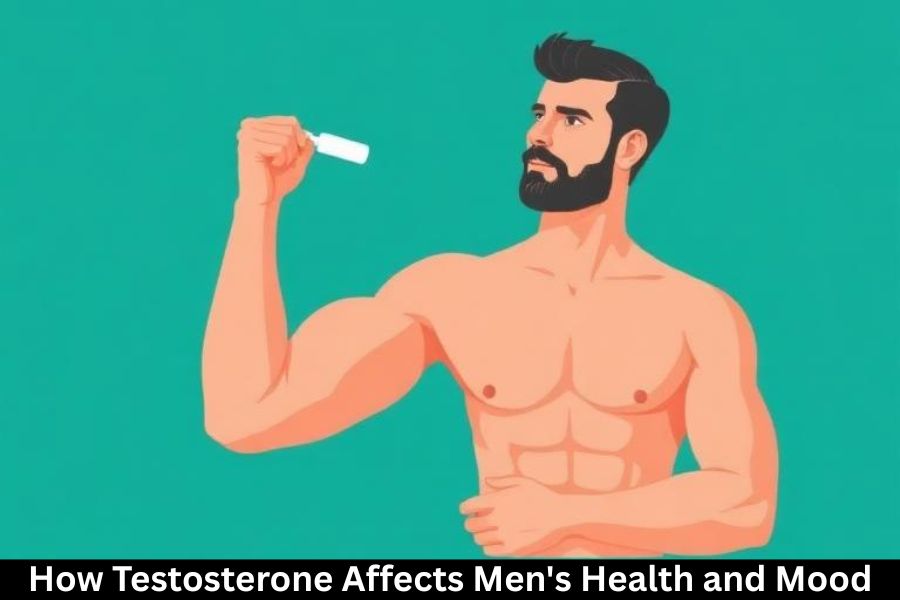
Testosterone isn’t just about muscles or libido—it’s a hormone that influences nearly every aspect of a man’s health and mood. Think of it as the body’s “performance enhancer” naturally produced by the testicles, playing a critical role in physical vitality, mental clarity, and emotional stability.
Introduction
What is Testosterone?
Testosterone is a steroid hormone primarily produced in men’s testes. While women also produce it in smaller amounts, it’s the hormone that largely defines male development, influencing muscle growth, bone health, and sexual function.
Why Testosterone Matters for Men
Low testosterone can impact energy levels, mood, weight, and even cognitive health. On the flip side, balanced testosterone promotes vitality, confidence, and overall well-being. It’s not just about strength—it’s about functioning at your best.
Testosterone and Physical Health
Muscle Mass and Strength
Testosterone stimulates protein synthesis, helping build and maintain muscle. Low levels often result in reduced muscle mass and weakness, making everyday tasks more difficult.
Bone Density and Joint Health
Healthy testosterone levels protect bones by stimulating bone mineralization. Low testosterone can lead to osteoporosis and an increased risk of fractures.
Fat Distribution
Testosterone helps regulate fat distribution, keeping abdominal fat in check. Low levels may lead to weight gain, especially around the midsection, which can contribute to other health issues.
Cardiovascular Health
Balanced testosterone supports heart health by maintaining healthy cholesterol levels and blood pressure. Some studies suggest low testosterone may increase the risk of heart disease.
Testosterone and Sexual Health
Libido and Sexual Performance
Testosterone is crucial for sexual desire. Low levels can reduce libido, making intimacy less satisfying and impacting relationships.
Erectile Function
While not the sole factor in achieving an erection, testosterone contributes to maintaining sexual performance. Low testosterone can complicate erectile difficulties.
Fertility and Sperm Production
Testosterone supports sperm production. Insufficient levels can impair fertility, affecting a man’s ability to father children.
Testosterone and Mental Health
Mood Regulation
Testosterone influences mood and emotional stability. Low levels can increase irritability, mood swings, and even feelings of hopelessness.
Anxiety and Depression
Research links low testosterone with higher risks of depression and anxiety. Maintaining hormonal balance can help stabilize mood.
Cognitive Function
Adequate testosterone supports memory, focus, and cognitive processing. Men with low testosterone may experience brain fog or difficulty concentrating.
Symptoms of Low Testosterone
Physical Symptoms
- Fatigue and low energy
- Loss of muscle mass
- Increased body fat
- Reduced bone density
Emotional and Mental Symptoms
- Low libido
- Mood swings and irritability
- Depression or anxiety
- Difficulty concentrating
When to Seek Help
If symptoms persist, a blood test measuring testosterone levels can determine if intervention is needed. Early detection helps prevent long-term complications.
Causes of Low Testosterone
Age-Related Decline
Testosterone naturally declines with age, typically around 1% per year after age 30.
Lifestyle Factors
Poor diet, lack of exercise, obesity, chronic stress, and inadequate sleep can all lower testosterone levels.
Medical Conditions and Medications
Diabetes, metabolic syndrome, certain medications, and pituitary or testicular disorders can disrupt testosterone production.
Boosting Testosterone Naturally
Exercise and Strength Training
Resistance training, HIIT, and regular physical activity naturally elevate testosterone. Focus on compound movements like squats, deadlifts, and push-ups.
Balanced Nutrition
Adequate protein, healthy fats, and micronutrients like zinc and vitamin D support testosterone synthesis. Avoid processed foods and excess sugar.
Adequate Sleep
Sleep deprivation lowers testosterone production. Aim for 7–9 hours of quality sleep per night.
Stress Management
Chronic stress raises cortisol, which can suppress testosterone. Meditation, yoga, and deep breathing exercises help regulate stress.
Weight Management
Maintaining a healthy weight reduces the risk of low testosterone linked to obesity.
Medical Treatments for Low Testosterone
Testosterone Replacement Therapy (TRT)
TRT can restore testosterone to normal levels, improving energy, mood, and sexual health. Options include injections, gels, and patches.
Benefits and Risks
TRT may improve vitality, mood, and sexual function but carries risks like acne, sleep apnea, and potential cardiovascular effects. Always consult a healthcare professional.
Monitoring and Safety
Regular blood tests and medical supervision ensure safe and effective therapy.
Myths and Misconceptions
Testosterone Supplements
Over-the-counter testosterone boosters often have little scientific backing. Always rely on medical advice.
Testosterone and Aggression
Balanced testosterone does not make men aggressive; aggression is influenced by multiple factors including environment and mental health.
Natural Aging vs. Low Testosterone
Aging naturally lowers testosterone, but not all age-related declines require treatment unless symptoms are significant.
Lifestyle Habits to Support Healthy Testosterone
Avoiding Alcohol and Smoking
Excess alcohol and tobacco reduce testosterone production and impair overall health.
Sunlight and Vitamin D
Sun exposure supports vitamin D, which plays a role in testosterone synthesis.
Maintaining Social Connections
Healthy relationships and positive social engagement support mental well-being and hormonal balance.
Conclusion
Testosterone is more than a hormone; it’s a cornerstone of men’s health and mood. From physical strength to emotional resilience, testosterone influences nearly every aspect of life. By embracing healthy lifestyle habits, monitoring symptoms, and seeking medical guidance when necessary, men can maintain optimal testosterone levels and improve their quality of life.
FAQs
1. What age does testosterone start declining in men?
Testosterone generally begins declining around age 30 at roughly 1% per year.
2. Can low testosterone cause depression?
Yes, low testosterone can contribute to mood swings, depression, and anxiety.
3. Are testosterone supplements safe?
Only medically supervised TRT is safe. Over-the-counter boosters may not be effective and could carry risks.
4. Can exercise increase testosterone?
Yes, strength training and high-intensity interval training (HIIT) can naturally boost testosterone.
5. How do I know if I have low testosterone?
Symptoms like low libido, fatigue, mood changes, and muscle loss warrant a blood test to confirm levels.
Your point of view caught my eye and was very interesting. Thanks. I have a question for you.
Thank you for your shening. I am worried that I lack creative ideas. It is your enticle that makes me full of hope. Thank you. But, I have a question, can you help me?