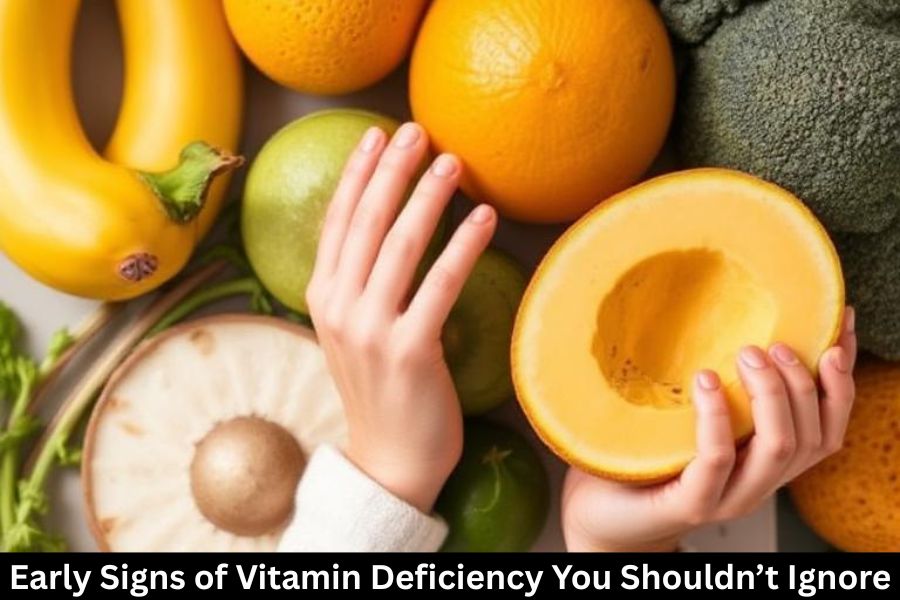
Your body is smart—it whispers before it screams. Vitamin deficiencies rarely show up overnight. Instead, they send subtle signals that are easy to dismiss as “stress,” “aging,” or “just a bad week.” Ignoring these early signs is like driving with a blinking fuel light and hoping the car keeps going. Eventually, it won’t.
Let’s break down the early warning signs of vitamin deficiency and why paying attention now can save you from bigger health issues later.
Why Vitamins Are Essential for the Body
What Are Vitamins and How Do They Work?
Vitamins are organic compounds your body needs in small amounts to function properly. They act like spark plugs—without them, your metabolism, immunity, and energy systems misfire.
Each vitamin has a specific role, from supporting nerve health to strengthening bones and fighting infections.
The Difference Between Fat-Soluble and Water-Soluble Vitamins
Fat-soluble vitamins (A, D, E, K) are stored in body fat, while water-soluble vitamins (B-complex and C) need regular replenishment. Miss out consistently, and deficiencies slowly creep in.
Why Vitamin Deficiencies Are More Common Than You Think
Modern Diets and Nutrient Gaps
Highly processed foods may fill your stomach, but they often lack essential nutrients. Calories without vitamins are like fuel without oil—things break down fast.
Lifestyle Factors That Affect Vitamin Absorption
Stress, poor sleep, digestive issues, smoking, alcohol, and certain medications can block nutrient absorption—even if your diet looks “healthy.”
General Warning Signs of Vitamin Deficiency
Constant Fatigue and Low Energy
Feeling tired all the time isn’t normal. Deficiencies in B vitamins, iron, or vitamin D can leave you drained no matter how much you sleep.
Frequent Illness and Weak Immunity
If you’re always catching colds, your immune system may be running low on vitamins like C, D, and zinc.
Early Signs of Vitamin D Deficiency
Bone Pain and Muscle Weakness
Vitamin D helps absorb calcium. Without it, bones weaken and muscles feel sore or heavy—even without exercise.
Low Mood and Seasonal Depression
Low vitamin D levels are linked to mood changes, anxiety, and seasonal affective disorder. If gloomy days hit hard, this could be why.
Early Signs of Vitamin B12 Deficiency
Tingling, Numbness, and Nerve Issues
Pins-and-needles sensations in hands or feet are classic early signs. Vitamin B12 is critical for nerve health.
Brain Fog and Memory Problems
Struggling to focus or forgetting things more often? B12 deficiency can make your brain feel like it’s running on low battery.
Early Signs of Iron and Folate Deficiency
Pale Skin and Shortness of Breath
Low iron reduces oxygen delivery in the blood, making you look pale and feel breathless even during light activity.
Rapid Heartbeat and Dizziness
Your heart works harder to compensate, leading to palpitations and lightheadedness.
Signs of Vitamin C Deficiency
Slow Wound Healing
Cuts and bruises that linger are a red flag. Vitamin C is essential for collagen production and tissue repair.
Bleeding Gums and Frequent Infections
Bleeding gums, nosebleeds, and recurring infections often signal low vitamin C levels.
Signs of Vitamin A Deficiency
Night Blindness and Vision Problems
Trouble seeing in low light is one of the earliest signs of vitamin A deficiency.
Dry Skin and Eye Irritation
Vitamin A supports skin and eye health. Without it, dryness and irritation become common.
Signs of Vitamin E Deficiency
Muscle Weakness and Poor Coordination
Vitamin E protects nerve cells. Low levels may affect balance and muscle control.
Immune System Decline
Frequent infections can indicate reduced antioxidant protection.
Signs of Vitamin K Deficiency
Easy Bruising and Bleeding
Vitamin K helps with blood clotting. If bruises appear easily, it’s a warning sign.
Poor Blood Clotting
Minor cuts that bleed longer than usual shouldn’t be ignored.
Skin, Hair, and Nail Changes Linked to Vitamin Deficiency
Hair Thinning and Hair Loss
Deficiencies in biotin, iron, and vitamin D often show up as excessive hair fall.
Brittle Nails and Cracked Lips
Weak nails, mouth sores, and cracked lips can indicate low B vitamins or iron.
Digestive and Appetite-Related Symptoms
Loss of Appetite
A sudden lack of interest in food can signal deficiencies in zinc or B vitamins.
Digestive Discomfort and Poor Absorption
Bloating, constipation, or diarrhea may reduce nutrient absorption, creating a vicious cycle.
Who Is at Higher Risk of Vitamin Deficiency?
Vegetarians, Vegans, and Older Adults
Limited food variety and reduced absorption increase deficiency risk.
People With Chronic Stress or Illness
Stress burns through nutrients faster, while chronic illness interferes with absorption.
How to Prevent and Correct Vitamin Deficiency Naturally
Balanced Diet and Whole Foods
Focus on colorful fruits, vegetables, whole grains, lean proteins, nuts, and seeds. Nature packages nutrients best.
When Supplements Are Necessary
Supplements help when diet alone isn’t enough—but they should complement, not replace, real food.
When to See a Doctor
Symptoms That Shouldn’t Be Ignored
Persistent fatigue, numbness, hair loss, or mood changes deserve medical attention.
The Role of Blood Tests
Blood tests confirm deficiencies and prevent unnecessary supplementation.
Conclusion
Vitamin deficiencies don’t appear out of nowhere—they whisper through subtle symptoms long before serious damage occurs. Listening to your body early can restore balance, energy, and long-term health. When you nourish your body properly, it rewards you with resilience and vitality.
FAQs
1. Can vitamin deficiency cause long-term damage?
Yes, untreated deficiencies can lead to nerve damage, bone loss, and chronic illness.
2. Are supplements better than food sources?
Whole foods are best. Supplements are helpful when deficiencies are confirmed.
3. How long does it take to correct a vitamin deficiency?
Most improve within weeks to months, depending on severity.
4. Can stress cause vitamin deficiency?
Yes, stress increases nutrient demand and reduces absorption.
5. Should I take vitamins daily without testing?
It’s best to test first to avoid unnecessary or excessive supplementation.

Thanks for sharing. I read many of your blog posts, cool, your blog is very good.
I don’t think the title of your article matches the content lol. Just kidding, mainly because I had some doubts after reading the article.
Thank you for your sharing. I am worried that I lack creative ideas. It is your article that makes me full of hope. Thank you. But, I have a question, can you help me? https://accounts.binance.com/register-person?ref=IHJUI7TF
Can you be more specific about the content of your article? After reading it, I still have some doubts. Hope you can help me.
Way cool! Some very valid points! I appreciate you writing this article and also the rest of the site is very good.
I’ll immediately grasp your rss as I can’t in finding your email subscription link or newsletter service. Do you have any? Kindly allow me know so that I could subscribe. Thanks.
I like what you guys are usually up too. This kind of clever work and reporting! Keep up the amazing works guys I’ve added you guys to my personal blogroll.
I am sure this post has touched all the internet users, its really really fastidious post on building up new website.
This piece of writing will help the internet users for setting up new blog or even a weblog from start to end.
I’ll immediately seize your rss as I can’t find your email subscription link or e-newsletter service. Do you’ve any? Please permit me recognize so that I could subscribe. Thanks.
I like what you guys are up too. Such clever work and exposure! Keep up the terrific works guys I’ve added you guys to my blogroll.
Whoa! This blog looks exactly like my old one! It’s on a entirely different topic but it has pretty much the same page layout and design. Wonderful choice of colors!
Your point of view caught my eye and was very interesting. Thanks. I have a question for you. https://accounts.binance.info/ar-BH/register?ref=S5H7X3LP
Ahaa, its nice dialogue regarding this post at this place at this weblog, I have read all that, so at this time me also commenting at this place.
Wow! This could be one particular of the most helpful blogs We have ever arrive across on this subject. Basically Great. I am also an expert in this topic therefore I can understand your effort.
Thanks for sharing. I read many of your blog posts, cool, your blog is very good. https://www.binance.info/zh-CN/register?ref=WFZUU6SI
I love it when individuals come together and share ideas. Great website, stick with it!
There is certainly a lot to find out about this topic. I like all the points you’ve made.
I visited various web sites except the audio feature for audio songs present at this site is genuinely wonderful.
Hi there, just wanted to mention, I loved this blog post. It was funny. Keep on posting!
Hello! I’ve been reading your weblog for a long time now and finally got the bravery to go ahead and give you a shout out from Porter Texas! Just wanted to tell you keep up the excellent job!
Can you be more specific about the content of your article? After reading it, I still have some doubts. Hope you can help me. https://www.binance.com/register?ref=QCGZMHR6