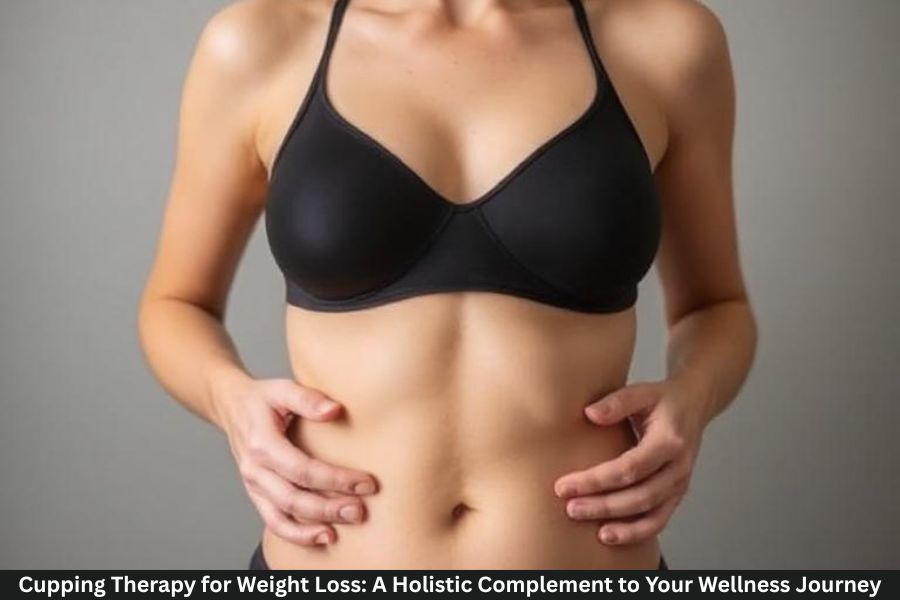
In a world obsessed with quick fixes and overnight transformations, ancient healing practices are quietly stepping back into the spotlight. Cupping therapy is one of them—and it’s being talked about not just for pain relief, but also as a supportive tool in weight loss journeys.
Why Ancient Therapies Are Making a Comeback
When modern solutions feel overwhelming or unsustainable, people naturally look backward for wisdom. Cupping therapy has been around for thousands of years, surviving not because it’s trendy, but because it offers real, felt benefits.
Where Weight Loss Fits Into Holistic Health
Holistic health views weight not as an isolated number, but as a reflection of balance—or imbalance—in the body. That’s where cupping therapy enters the conversation: not as a miracle cure, but as a supportive ally.
What Is Cupping Therapy?
Before we connect cupping to weight loss, let’s understand what it actually is.
A Brief History of Cupping Therapy
Cupping therapy dates back to ancient Chinese, Egyptian, and Middle Eastern medicine. Traditionally, it was used to move stagnant energy, improve circulation, and restore balance in the body.
How Cupping Therapy Works
Cups are placed on the skin to create suction, gently pulling tissue upward.
The Role of Suction and Blood Flow
This suction increases local blood flow, encourages lymphatic movement, and stimulates the nervous system—like a deep-tissue massage from the inside out.
Types of Cupping Therapy
Not all cupping is the same, especially when used for wellness goals.
Dry Cupping
Dry cupping uses suction only and is commonly used for circulation and muscle relaxation.
Wet Cupping
This method involves small incisions and is more medical in nature. It’s not typically used for weight loss.
Massage (Moving) Cupping
Oil is applied, and cups are moved across the skin—popular for body contouring and cellulite appearance.
Fire vs Vacuum Cupping
Fire cupping uses heat to create suction, while vacuum cupping uses pumps. Both can be effective when performed by trained practitioners.
Understanding Weight Loss From a Holistic Perspective
Weight loss isn’t just about eating less and moving more.
Weight Loss Is More Than Calories
Hormones, stress, inflammation, digestion, and circulation all influence body weight. Ignoring these factors is like trying to fix a car by only changing the tires.
The Mind-Body Connection
Stress alone can stall progress. Holistic therapies aim to calm the nervous system, creating a healthier internal environment for change.
How Cupping Therapy Supports Weight Loss
Cupping doesn’t “burn fat” directly—but it supports processes that matter.
Improving Blood Circulation
Better circulation means oxygen and nutrients reach tissues more efficiently, supporting metabolism and recovery.
Supporting Lymphatic Drainage
The lymphatic system helps remove waste and excess fluid. Cupping encourages this movement, which may reduce bloating and puffiness.
Reducing Inflammation and Water Retention
Chronic inflammation can contribute to weight gain. Cupping may help calm inflamed tissues and reduce temporary water weight.
Cupping Therapy and Metabolism
Your metabolism isn’t just about speed—it’s about balance.
Stimulating the Body’s Natural Processes
By improving circulation and relaxation, cupping may help the body function more efficiently overall.
Stress Reduction and Hormonal Balance
Lower stress means lower cortisol. And lower cortisol can make weight management easier.
Targeting Stubborn Fat Areas
Some areas just don’t want to budge.
Abdominal Cupping
Often used to support digestion, circulation, and tension release in the core.
Thighs, Hips, and Arms
Massage cupping is commonly used to improve tissue mobility and skin texture.
Cellulite Appearance Reduction
While not a cure, cupping can temporarily improve the look of cellulite by increasing blood flow and lymphatic movement.
Cupping Therapy and Digestive Health
Digestion plays a huge role in weight management.
Gut Health and Weight Management
Poor digestion can lead to bloating, cravings, and sluggish metabolism.
Reducing Bloating and Discomfort
Many people report feeling “lighter” after cupping—not from fat loss, but from reduced tension and fluid retention.
The Role of Detoxification in Weight Loss
Detox is a buzzword—but there’s nuance.
Supporting the Lymphatic System
Cupping supports the body’s natural detox pathways rather than forcing anything unnatural.
Myths vs Reality of Detox Claims
Cupping won’t magically flush toxins overnight. Think support, not shortcuts.
Cupping Therapy vs Conventional Weight Loss Methods
It’s not an either-or situation.
How It Complements Diet and Exercise
Cupping works best alongside nutritious food, movement, and hydration.
What Cupping Cannot Do Alone
It won’t replace healthy habits or guarantee weight loss on its own.
What a Cupping Session for Weight Loss Looks Like
Knowing what to expect helps ease anxiety.
Consultation and Assessment
A practitioner will discuss goals, health history, and areas of focus.
Session Duration and Frequency
Sessions typically last 30–60 minutes, often weekly or biweekly.
Sensations During and After Treatment
You may feel warmth, pulling, or deep relaxation. Circular marks are normal and fade within days.
Safety, Side Effects, and Precautions
Cupping is generally safe when done correctly.
Common and Temporary Side Effects
Bruising, mild soreness, or fatigue can occur.
Who Should Avoid Cupping Therapy
Pregnant individuals, those with bleeding disorders, or fragile skin should consult a professional first.
Combining Cupping Therapy With a Healthy Lifestyle
Cupping works best as part of a bigger picture.
Nutrition and Hydration
Whole foods and water support lymphatic flow and recovery.
Exercise and Movement
Movement helps circulate what cupping stimulates.
Sleep and Stress Management
Rest allows the body to integrate benefits.
Scientific Evidence and Practitioner Insights
What does science say?
What Research Says
While research on cupping for weight loss is limited, studies support its benefits for circulation, pain reduction, and relaxation—all indirectly helpful.
Realistic Expectations
Think progress, not perfection. Support, not miracles.
Choosing the Right Practitioner
Your experience depends on who you choose.
Credentials and Experience
Look for licensed, trained professionals with experience in bodywork.
Questions to Ask Before Your First Session
Ask about techniques, safety, and how cupping fits your goals.
Long-Term Benefits Beyond Weight Loss
Sometimes, the side benefits are the biggest wins.
Body Awareness and Self-Care
Cupping encourages mindfulness and connection with your body.
Improved Overall Well-Being
Better sleep, reduced tension, and relaxation often come first.
Conclusion
Cupping therapy isn’t a magic wand for weight loss—but it can be a meaningful, supportive tool in a holistic wellness journey. By improving circulation, reducing stress, supporting digestion, and encouraging body awareness, cupping complements healthy habits rather than replacing them. When used thoughtfully, it becomes less about losing weight and more about gaining balance.
Frequently Asked Questions (FAQs)
1. Can cupping therapy directly burn fat?
No, cupping supports circulation and relaxation but doesn’t directly burn fat.
2. How many sessions are needed to see results?
Some people notice changes in bloating or tension after a few sessions; long-term benefits take consistency.
3. Are cupping marks permanent?
No, they usually fade within a few days to a week.
4. Can cupping replace diet and exercise?
No, it works best alongside healthy lifestyle habits.
5. Is cupping therapy painful?
Most people find it comfortable or deeply relaxing, though sensations vary.


Thank you for your sharing. I am worried that I lack creative ideas. It is your article that makes me full of hope. Thank you. But, I have a question, can you help me?
Thanks for sharing. I read many of your blog posts, cool, your blog is very good. https://www.binance.com/pt-BR/register?ref=GJY4VW8W
Your article helped me a lot, is there any more related content? Thanks!
I don’t think the title of your article matches the content lol. Just kidding, mainly because I had some doubts after reading the article. https://accounts.binance.com/kz/register?ref=K8NFKJBQ
Can you be more specific about the content of your article? After reading it, I still have some doubts. Hope you can help me.
I don’t think the title of your article matches the content lol. Just kidding, mainly because I had some doubts after reading the article. https://www.binance.com/en-IN/register?ref=A80YTPZ1
Can you be more specific about the content of your article? After reading it, I still have some doubts. Hope you can help me.
I don’t think the title of your article matches the content lol. Just kidding, mainly because I had some doubts after reading the article.
Thanks for sharing. I read many of your blog posts, cool, your blog is very good. https://www.binance.info/fr-AF/register?ref=JHQQKNKN
Can you be more specific about the content of your article? After reading it, I still have some doubts. Hope you can help me.