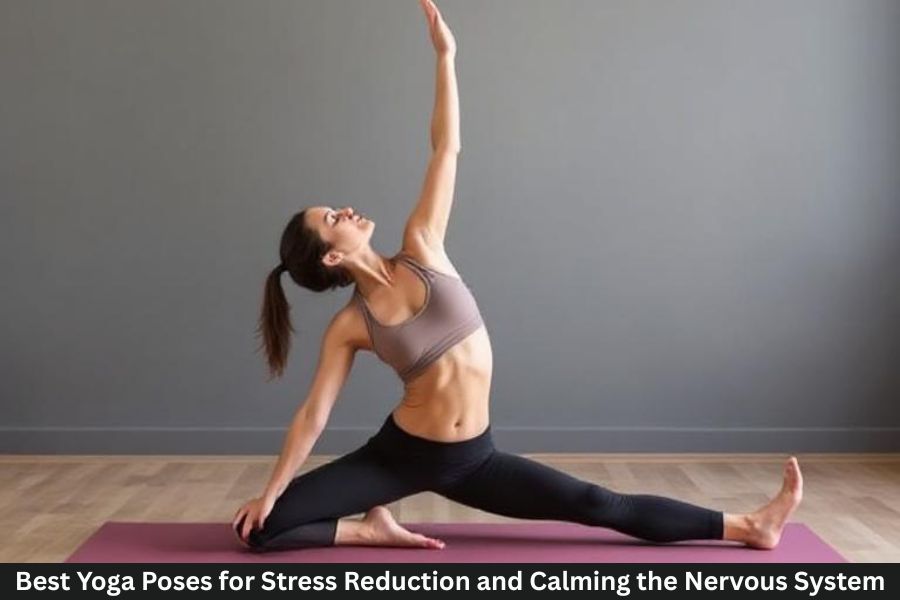
Stress has a way of sneaking into everything—your shoulders, your breath, your thoughts at 3 a.m. It’s like background noise you don’t notice until it gets unbearably loud. Yoga, when practiced intentionally, acts like a volume knob for your nervous system. It doesn’t erase stress from life, but it teaches your body how to come back to calm.
Let’s explore the best yoga poses to reduce stress, soothe anxiety, and gently guide your nervous system out of fight-or-flight mode.
Understanding Stress and the Nervous System
What Happens to Your Body Under Stress
When stress hits, your body flips on survival mode. Heart rate increases, muscles tense, breathing becomes shallow, and your mind races. This response is useful when danger is real—but exhausting when stress is constant.
Sympathetic vs. Parasympathetic Nervous System
Your nervous system has two main gears:
- Sympathetic: fight or flight
- Parasympathetic: rest and digest
Most of us spend too much time in the first and not enough in the second. Yoga helps shift the body into parasympathetic mode—where healing and calm live.
Why Yoga Is So Effective for Stress Relief
Yoga combines slow movement, deep breathing, and focused attention. This trio sends a clear message to your brain: You’re safe now.
How Yoga Helps Calm the Mind and Body
Breath, Movement, and Mindfulness
Think of yoga as meditation in motion. Each pose anchors your attention to the present moment, breaking the loop of anxious thoughts.
Yoga vs. Other Stress-Relief Practices
Unlike scrolling or zoning out, yoga actively trains your nervous system. The calm you feel afterward isn’t accidental—it’s learned.
Preparing for a Stress-Relieving Yoga Practice
Creating a Calm Environment
Dim lights, silence notifications, and give yourself permission to slow down. Even five minutes in a peaceful space makes a difference.
Best Time of Day to Practice
- Morning: sets a calm tone
- Evening: releases the day’s tension
There’s no wrong time—just the time you’ll actually show up.
What You Need (and Don’t Need)
A mat helps. Props help. Fancy gear does not. Comfort beats perfection.
Best Yoga Poses for Stress Reduction
Child’s Pose (Balasana)
This pose feels like a deep sigh for your spine. Knees down, forehead resting, arms relaxed. It signals safety and surrender.
Cat-Cow Pose (Marjaryasana–Bitilasana)
Gentle spinal movement paired with breath releases tension and improves nervous system communication.
Standing Forward Fold (Uttanasana)
Forward folds naturally calm the brain. Let your head hang heavy—it’s like unplugging mental static.
Legs Up the Wall (Viparita Karani)
This pose is pure magic for stress. It improves circulation and tells your nervous system to stand down.
Seated Forward Bend (Paschimottanasana)
A quiet, inward pose that slows the heart rate and encourages introspection.
Restorative Yoga Poses for Deep Relaxation
Reclining Bound Angle Pose (Supta Baddha Konasana)
With support under your back and knees, this pose opens the chest while encouraging full-body relaxation.
Supported Bridge Pose
A gentle heart opener that energizes without overstimulation.
Using Props for Extra Comfort
Bolsters, pillows, blankets—these aren’t cheating. They’re tools for deeper calm.
Gentle Backbends That Reduce Stress
Cobra Pose (Bhujangasana)
A mild backbend that improves mood and counteracts slouching caused by stress.
Sphinx Pose
Lower intensity, longer hold. Perfect for calming fatigue and mental overload.
Why Gentle Backbends Improve Mood
They open the chest and lungs, improving breath and stimulating feel-good hormones.
Yoga Poses to Calm Anxiety
Eagle Pose (Garudasana)
The wrapping action creates a sense of containment—very grounding for anxious minds.
Tree Pose (Vrksasana)
Balance poses demand focus, pulling attention away from worry.
Balance Poses and Mental Focus
When you balance the body, the mind follows.
The Role of Breathwork in Stress Reduction
Diaphragmatic Breathing
Deep belly breathing activates the vagus nerve, your body’s built-in calm switch.
Extended Exhale Breathing
Longer exhales tell the brain to relax. Try inhaling for four, exhaling for six.
Coordinating Breath with Movement
Move slow. Breathe slower. Calm follows naturally.
Short Yoga Sequences for Stress Relief
5-Minute Reset Sequence
Child’s Pose → Cat-Cow → Forward Fold → Seated Breathing
Evening Wind-Down Sequence
Legs Up the Wall → Reclining Twist → Savasana
Morning Calm-Start Flow
Gentle Sun Salute → Standing Balance → Forward Fold
Yoga for Chronic Stress and Burnout
Signs You Need Nervous System Support
- Constant fatigue
- Irritability
- Trouble sleeping
- Brain fog
How Often Should You Practice Yoga for Stress?
Even 10–20 minutes, 3–5 times a week, can dramatically improve nervous system resilience.
Common Mistakes When Using Yoga for Stress Relief
Pushing Too Hard
If it feels like a workout battle, your nervous system won’t relax.
Ignoring Restorative Poses
Stillness is where the deepest healing happens.
Integrating Yoga Into a Stress-Free Lifestyle
Pairing Yoga with Sleep and Nutrition
Yoga works best when supported by good sleep and balanced meals.
Consistency Over Intensity
A little calm every day beats a long session once a month.
Final Thoughts on Yoga for Stress Reduction
Yoga isn’t about twisting yourself into shapes—it’s about teaching your nervous system how to feel safe again. The poses don’t remove stress from your life, but they give you the tools to meet it with steadiness instead of panic. Show up gently, breathe deeply, and let calm become a habit.
FAQs
1. How long should I hold yoga poses for stress relief?
Anywhere from 30 seconds to several minutes, depending on comfort.
2. Can beginners use yoga to reduce stress?
Absolutely. Gentle and restorative poses are ideal for beginners.
3. Is yoga better than meditation for stress?
Yoga includes meditation through movement—great if sitting still feels hard.
4. Can yoga help with anxiety and panic attacks?
Yes, especially when focused on breath and grounding poses.
5. Do I need to practice daily to see benefits?
No. Consistent practice a few times a week is enough.


Thank you for your sharing. I am worried that I lack creative ideas. It is your article that makes me full of hope. Thank you. But, I have a question, can you help me?
Thank you for your sharing. I am worried that I lack creative ideas. It is your article that makes me full of hope. Thank you. But, I have a question, can you help me?
Can you be more specific about the content of your article? After reading it, I still have some doubts. Hope you can help me.
Your point of view caught my eye and was very interesting. Thanks. I have a question for you.