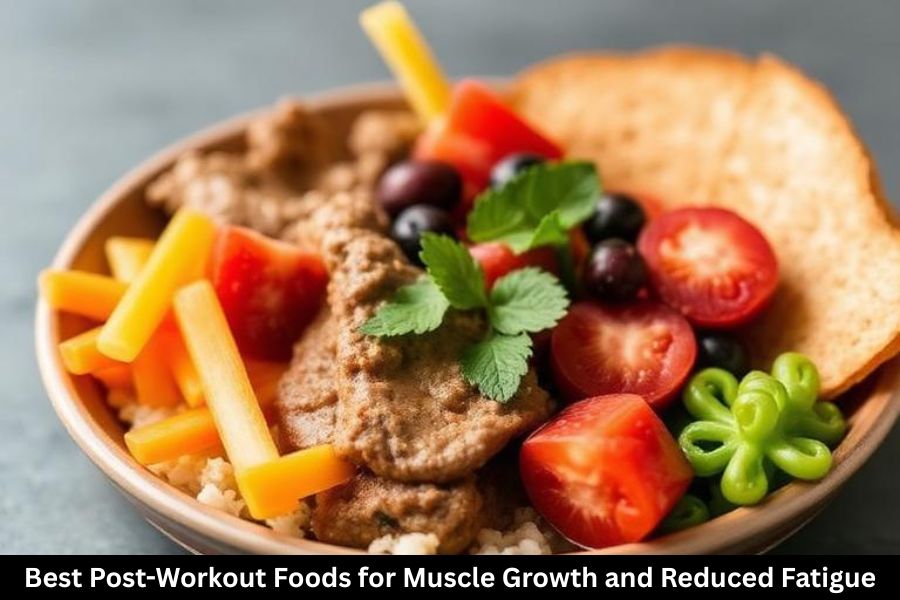
Working out is only half the battle. What you eat afterward determines how quickly you recover, build muscle, and prevent fatigue. Whether you’re lifting heavy weights, running miles, or doing HIIT, the right foods can make all the difference. Let’s break down the science and the top choices for post-workout nutrition.
Introduction
Why Post-Workout Nutrition Matters
After intense exercise, your muscles are like sponges, ready to absorb nutrients that repair damage and build strength. Eating the right foods fuels recovery, replenishes energy, and maximizes muscle gains.
How Exercise Impacts Muscle and Energy
Physical activity breaks down muscle fibers, depletes glycogen stores, and triggers oxidative stress. Proper nutrition helps reverse these effects and primes your body for your next workout.
The Science Behind Muscle Recovery
Muscle Protein Synthesis Explained
Muscle protein synthesis (MPS) is the process your body uses to repair and build new muscle fibers. Post-workout protein provides the amino acids essential for MPS.
Role of Glycogen in Energy Recovery
Glycogen, stored in muscles and liver, fuels activity. Carbohydrates consumed post-workout restore glycogen levels, preventing fatigue and supporting future performance.
Timing Matters — The Post-Workout Window
The first 30–60 minutes after exercise is often called the “anabolic window,” where muscles absorb nutrients most efficiently. Eating within this period enhances recovery.
Essential Nutrients for Recovery
Proteins
Proteins repair muscle tissue and provide essential amino acids. Lean meats, fish, eggs, and dairy are excellent sources.
Carbohydrates
Carbs replenish glycogen. Whole grains, fruits, and starchy vegetables provide slow-release energy.
Healthy Fats
Healthy fats reduce inflammation and support hormone production. Think olive oil, avocado, nuts, and seeds.
Vitamins and Minerals
Magnesium, potassium, calcium, and vitamin C play key roles in muscle function, repair, and reducing oxidative stress.
Top Post-Workout Foods for Muscle Growth
Lean Meats (Chicken, Turkey, Beef)
Packed with high-quality protein and B vitamins, lean meats help repair and build muscles efficiently.
Fish (Salmon, Tuna)
Omega-3 fatty acids in fish reduce inflammation and aid in recovery while providing protein.
Eggs
Eggs are a complete protein source, rich in leucine—a key amino acid for muscle growth.
Dairy Products (Greek Yogurt, Cottage Cheese)
High in protein and calcium, these options support recovery and bone health while being easy to digest.
Post-Workout Carbohydrate Sources
Whole Grains (Oats, Quinoa, Brown Rice)
Complex carbs provide sustained energy and replenish glycogen without spiking blood sugar.
Fruits (Bananas, Berries, Pineapple)
Quick-digesting carbs from fruits help restore energy and provide antioxidants to reduce inflammation.
Starchy Vegetables (Sweet Potatoes, Squash)
These nutrient-dense foods combine complex carbs with vitamins and minerals, supporting muscle repair.
Foods to Reduce Fatigue
Antioxidant-Rich Foods
Blueberries, cherries, and leafy greens neutralize free radicals generated during exercise.
Electrolyte-Containing Foods
Bananas, coconut water, and spinach restore lost electrolytes, preventing cramping and fatigue.
Hydration Tips for Faster Recovery
Drink plenty of water post-workout. Electrolyte drinks can help if you sweat heavily.
Protein and Carbohydrate Combinations
Why Pairing Matters
Combining protein and carbs post-workout maximizes glycogen replenishment and muscle repair simultaneously.
Meal Examples for Maximum Recovery
Grilled chicken with sweet potatoes, Greek yogurt with berries and oats, or a tuna sandwich on whole-grain bread.
Smoothies and Shakes
A protein shake with banana, spinach, and nut butter is a quick, convenient, and effective recovery meal.
Plant-Based Post-Workout Foods
Lentils, Chickpeas, and Beans
High in protein and fiber, these legumes provide sustained energy and amino acids.
Tofu and Tempeh
Soy-based proteins contain all essential amino acids, ideal for vegan recovery.
Plant-Based Protein Powders
Pea, hemp, or brown rice protein powders can supplement plant-based diets effectively.
Snacks That Support Muscle Repair
Nut Butter and Whole-Grain Toast
A simple snack providing protein, healthy fats, and carbs for energy replenishment.
Trail Mix with Nuts and Dried Fruits
Provides antioxidants, protein, and quick energy from carbs.
Hummus and Veggie Sticks
A combination of protein and fiber for sustained post-workout recovery.
Avoiding Foods That Hinder Recovery
Sugary Snacks and Drinks
High sugar can spike insulin and interfere with recovery, promoting fat storage instead of muscle repair.
Processed Foods
Artificial additives and unhealthy fats slow down nutrient absorption and increase inflammation.
Excessive Alcohol
Alcohol impairs protein synthesis and delays muscle recovery.
Supplements to Enhance Recovery
Whey and Casein Protein
Quick-digesting whey and slow-release casein support immediate and sustained muscle repair.
Branched-Chain Amino Acids (BCAAs)
BCAAs provide essential amino acids directly to muscles, speeding recovery.
Creatine and Glutamine
Creatine enhances strength and recovery, while glutamine supports gut health and muscle repair.
Sample Post-Workout Meal Plan
Breakfast Options
Omelet with spinach and whole-grain toast, or Greek yogurt with berries and oats.
Lunch and Dinner Options
Grilled salmon with quinoa and roasted vegetables, or lentil curry with brown rice.
Snack Ideas
Protein smoothie, trail mix, or hummus with veggie sticks.
Lifestyle Habits to Boost Muscle Growth
Sleep and Recovery
7–9 hours of quality sleep maximizes growth hormone release and muscle repair.
Stretching and Mobility
Post-workout stretching reduces soreness and supports long-term flexibility.
Consistency in Nutrition and Training
Regular workouts combined with consistent post-workout nutrition yield the best results over time.
Common Myths About Post-Workout Nutrition
You Must Eat Immediately
While early eating helps, the “anabolic window” is longer than previously thought—up to 2 hours post-workout.
More Protein Always Means More Muscle
Excess protein doesn’t automatically build more muscle; balance with carbs and healthy fats is key.
Carbs Make You Fat Post-Workout
When paired with protein and consumed appropriately, carbs replenish glycogen and aid recovery—not fat gain.
Conclusion
Post-workout nutrition is the bridge between your hard work in the gym and visible results. By combining protein, carbs, and healthy fats, you can maximize muscle growth, reduce fatigue, and recover faster. Pairing proper food with hydration, sleep, and smart lifestyle habits creates a holistic approach that ensures sustained progress and long-term health.
FAQs
1. How soon after a workout should I eat?
Aim for a meal or snack within 30–90 minutes post-workout for optimal recovery.
2. Can I build muscle on a plant-based diet?
Absolutely. Focus on complete plant proteins, legumes, soy, and protein powders to meet amino acid needs.
3. Are protein shakes necessary?
Not required, but they are convenient and effective for meeting daily protein goals.
4. How much protein do I need after exercise?
Approximately 20–30 grams of high-quality protein per post-workout meal is generally effective.
5. Can post-workout nutrition reduce soreness?
Yes, proper protein and antioxidant intake help repair muscles and reduce delayed onset muscle soreness (DOMS).



Hi, I do think this is a great website. I stumbledupon it 😉 I may return yet again since i have book marked it. Money and freedom is the greatest way to change, may you be rich and continue to help other people.
Ahaa, its fastidious conversation concerning this article at this place at this blog, I have read all that, so at this time me also commenting at this place.
Your article helped me a lot, is there any more related content? Thanks!
You made some really good points there. I checked on the web to find out more about the issue and found most individuals will go along with your views on this web site.
I visited several web pages but the audio feature for audio songs current at this website is truly excellent.
I visited multiple websites but the audio feature for audio songs current at this website is truly wonderful.
I’ll immediately clutch your rss feed as I can not find your email subscription link or e-newsletter service. Do you’ve any? Please let me know so that I could subscribe. Thanks.
Greetings! Veery helppful advicfe in this particcular article! It’s thee little cyanges that makee tthe greqtest changes. Thabks a llot for sharing!
Way cool! Some very valid points! I appreciate you penning this write-up and the rest of the site is really good.
Greetings! Very useful advice in this particular post! It’s the little changes that make the largest changes. Thanks for sharing!
I will immediately grab your rss feed as I can not to find your email subscription link or newsletter service. Do you have any? Kindly let me understand so that I could subscribe. Thanks.
There’s certainly a great deal to know about this topic. I like all the points you’ve made.
Everyone loves what you guys are usually up too. Such clever work and exposure! Keep up the fantastic works guys I’ve incorporated you guys to my own blogroll.
I enjoy what you guys are usually up too. This kind of clever work and exposure! Keep up the superb works guys I’ve added you guys to my own blogroll.
There is definately a great deal to know about this issue. I love all of the points you’ve made.
Ahaa, its nice conversation regarding this post at this place at this blog, I have read all that, so now me also commenting here.
I really like what you guys are up too. This type of clever work and reporting!
Keep up the excellent works guys I’ve incorporated you
guys to our blogroll.
loans online instant approval payday loan online with instant approval legitimate payday
loans no credit check
Having a deep vein thrombosis scare put me on blood thinners indefinitely.
The cost of the medication at my local pharmacy was astronomical, even with insurance.
I started hunting for a more affordable option and landed on Medistorehub.
The price for my coumadin here was significantly lower
than anywhere else. I was worried about quality, but
the product is perfect. It is a relief to find a place where my health doesn’t have to compete with my
budget.
Can you be more specific about the content of your article? After reading it, I still have some doubts. Hope you can help me. https://accounts.binance.com/da-DK/register?ref=V3MG69RO