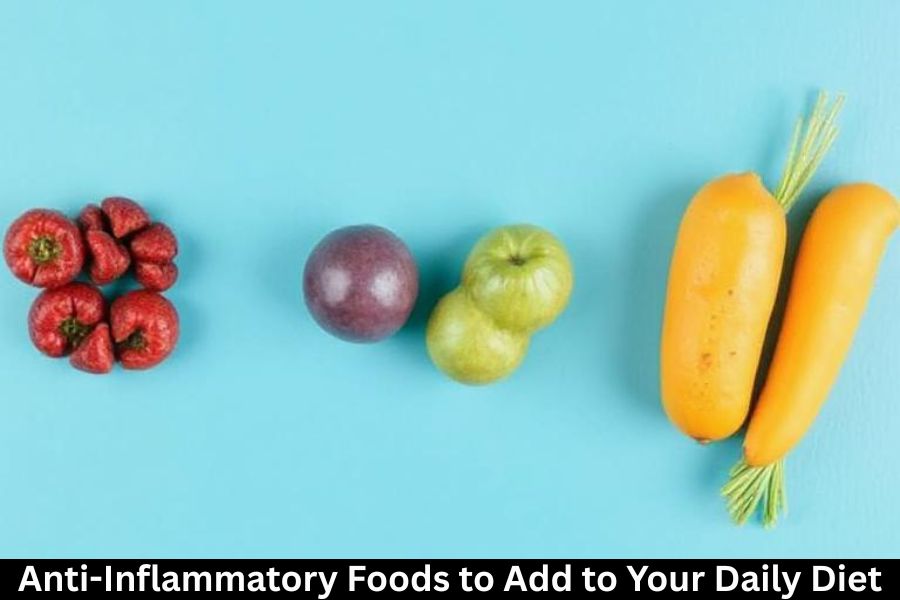
Inflammation isn’t always the enemy. In fact, it’s your body’s natural defense system—like a fire alarm going off when something’s wrong. The problem starts when that alarm never shuts off.
The Link Between Diet and Chronic Inflammation
Chronic inflammation quietly fuels many health issues, from joint pain and fatigue to heart disease and digestive problems. What you eat every day can either calm the fire or keep throwing fuel on it.
Understanding Inflammation
Acute vs Chronic Inflammation
Acute inflammation is short-term and helpful—think swelling after a cut. Chronic inflammation sticks around long after the threat is gone, slowly damaging tissues and organs.
Signs Your Body Is Inflamed
Persistent fatigue, bloating, joint pain, skin issues, headaches, and stubborn weight gain can all point to inflammation simmering under the surface.
How Food Influences Inflammation
Pro-Inflammatory vs Anti-Inflammatory Foods
Processed foods, sugar, and refined carbs push inflammation higher. Whole, nutrient-dense foods rich in antioxidants do the opposite—they calm your immune response.
The Role of Antioxidants and Phytochemicals
Antioxidants neutralize free radicals, while phytochemicals act like tiny repair crews, helping cells heal and function properly.
Fruits That Fight Inflammation
Berries – Nature’s Antioxidant Bomb
Blueberries
Packed with anthocyanins, blueberries help reduce inflammation and protect brain and heart health.
Strawberries
Strawberries support blood sugar balance and reduce inflammatory markers in the body.
Citrus Fruits and Vitamin C
Oranges, lemons, and grapefruits strengthen immunity and protect cells from oxidative stress.
Pineapple and Papaya Enzymes
Bromelain in pineapple and papain in papaya support digestion and reduce inflammation, especially after meals.
Vegetables with Powerful Anti-Inflammatory Effects
Leafy Greens
Spinach, kale, and Swiss chard are rich in vitamins A, C, and K, which help reduce inflammation at the cellular level.
Cruciferous Vegetables
Broccoli, cauliflower, and Brussels sprouts contain sulforaphane, a compound known to fight inflammation and support detoxification.
Colorful Vegetables and Polyphenols
The more color on your plate, the better. Bell peppers, carrots, and beets offer a wide range of anti-inflammatory compounds.
Healthy Fats That Reduce Inflammation
Omega-3 Fatty Acids Explained
Fatty Fish
Salmon, sardines, and mackerel reduce inflammatory markers and support heart and brain health.
Plant-Based Omega-3 Sources
Flaxseeds, chia seeds, and walnuts are excellent options for plant-forward eaters.
Olive Oil as Liquid Gold
Extra virgin olive oil contains oleocanthal, which works similarly to anti-inflammatory medications.
Avocados and Nuts
These provide healthy fats, fiber, and antioxidants that help regulate inflammation and cholesterol levels.
Anti-Inflammatory Herbs and Spices
Turmeric and Curcumin
Curcumin is one of the most studied anti-inflammatory compounds. Pair turmeric with black pepper to boost absorption.
Ginger for Digestive and Joint Health
Ginger helps soothe the gut, reduce muscle soreness, and ease joint pain.
Garlic and Onions
These kitchen staples support immune health and reduce inflammatory responses.
Whole Grains and Fiber-Rich Foods
Why Fiber Matters for Inflammation
Fiber feeds beneficial gut bacteria, which play a major role in regulating inflammation.
Best Whole Grains to Choose
Oats, quinoa, brown rice, and barley provide sustained energy without blood sugar spikes.
Legumes and Plant-Based Proteins
Beans, Lentils, and Chickpeas
Rich in fiber and antioxidants, legumes help lower inflammation and support heart health.
Soy-Based Foods
Tofu, tempeh, and edamame contain isoflavones that may reduce inflammation, especially in women.
Anti-Inflammatory Beverages
Green Tea and Herbal Teas
Green tea is loaded with catechins that fight inflammation. Chamomile and ginger tea also help calm the body.
Coffee in Moderation
Coffee contains antioxidants, but balance matters. Too much can trigger stress hormones.
Bone Broth and Warm Drinks
Bone broth supports gut health and joint comfort thanks to collagen and amino acids.
Fermented Foods and Gut Health
The Gut–Inflammation Connection
A healthy gut microbiome helps regulate immune responses and reduce inflammation.
Best Fermented Foods to Eat Daily
Yogurt, kefir, kimchi, sauerkraut, and miso add beneficial bacteria to your diet.
Foods That Increase Inflammation
Sugar and Refined Carbohydrates
These spike blood sugar and insulin, triggering inflammatory pathways.
Processed Foods and Trans Fats
Packaged snacks and fried foods disrupt gut health and promote inflammation.
Excess Alcohol
Too much alcohol damages the gut lining and increases systemic inflammation.
Anti-Inflammatory Diet Patterns
Mediterranean Diet
This diet emphasizes fruits, vegetables, olive oil, fish, and whole grains—naturally anti-inflammatory.
Plant-Forward Eating
More plants mean more fiber and antioxidants, both key for lowering inflammation.
Balanced Omnivore Diet
Including both plant and animal foods allows flexibility while meeting nutrient needs.
How to Build an Anti-Inflammatory Daily Plate
Breakfast Ideas
Oatmeal with berries, Greek yogurt with nuts, or avocado toast with olive oil.
Lunch and Dinner Ideas
Grilled salmon with vegetables, lentil soup, or quinoa bowls with colorful veggies.
Anti-Inflammatory Snacks
Fruit with nut butter, hummus with veggies, or dark chocolate in moderation.
Lifestyle Habits That Support an Anti-Inflammatory Diet
Sleep and Stress Management
Poor sleep and chronic stress increase inflammation, no matter how healthy your diet is.
Physical Activity and Recovery
Regular movement reduces inflammation, while rest prevents overtraining stress.
Common Myths About Anti-Inflammatory Foods
Clearing Up Confusion
There’s no single magic food. Consistency and variety matter more than perfection.
Long-Term Benefits of Eating Anti-Inflammatory Foods
Aging, Energy, and Disease Prevention
An anti-inflammatory diet supports healthy aging, stable energy, better digestion, and reduced disease risk.
Conclusion
Adding anti-inflammatory foods to your daily diet isn’t about restriction—it’s about nourishment. Small, consistent choices calm your body’s internal fire and support long-term health. When your diet works with your body instead of against it, everything feels better—from energy levels to digestion to mood.
Frequently Asked Questions
How quickly can anti-inflammatory foods make a difference?
Many people notice reduced bloating and better energy within 1–2 weeks.
Do I need to avoid all inflammatory foods completely?
No. Balance matters more than perfection.
Are anti-inflammatory diets good for weight loss?
Yes. They support stable blood sugar and reduced cravings.
Can anti-inflammatory foods help joint pain?
Absolutely. Many people report less stiffness and discomfort.
Is an anti-inflammatory diet safe long-term?
Yes. It’s one of the healthiest eating patterns for lifelong wellness.



I don’t think the title of your article matches the content lol. Just kidding, mainly because I had some doubts after reading the article.
Can you be more specific about the content of your article? After reading it, I still have some doubts. Hope you can help me.
Thank you for your sharing. I am worried that I lack creative ideas. It is your article that makes me full of hope. Thank you. But, I have a question, can you help me? https://accounts.binance.com/register-person?ref=IXBIAFVY
Your article helped me a lot, is there any more related content? Thanks!
Thanks for sharing. I read many of your blog posts, cool, your blog is very good.
Your point of view caught my eye and was very interesting. Thanks. I have a question for you.
Your point of view caught my eye and was very interesting. Thanks. I have a question for you.
Can you be more specific about the content of your article? After reading it, I still have some doubts. Hope you can help me. https://accounts.binance.info/hu/register-person?ref=IQY5TET4