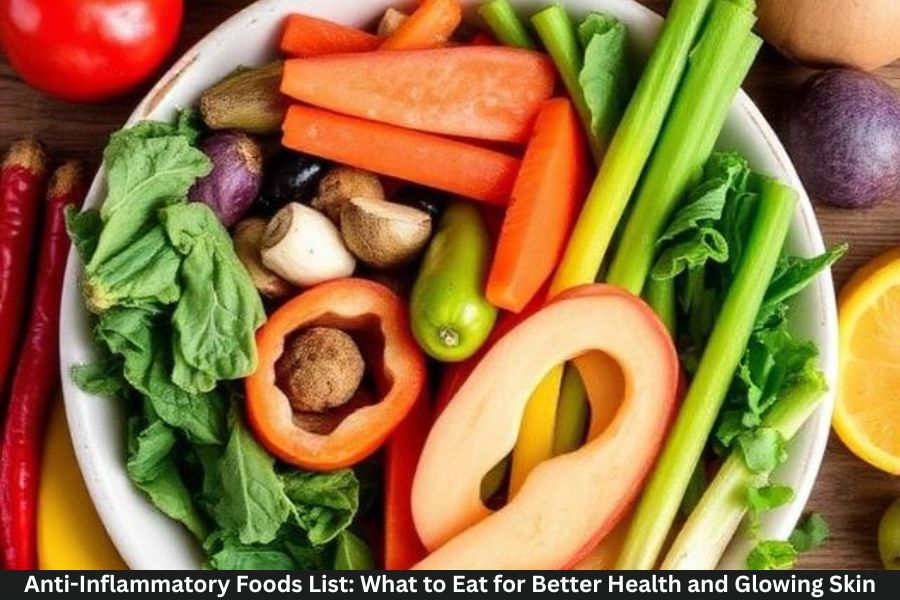
Inflammation sounds like a medical buzzword, right? But here’s the truth—it’s quietly running the show behind many health problems and skin issues. From stubborn acne to joint pain and constant fatigue, inflammation is often the hidden culprit. The good news? Your plate can be your most powerful medicine. Let’s break down exactly what anti-inflammatory foods are, why they matter, and how you can use them to feel better and glow from the inside out.
Understanding Inflammation
What Is Inflammation?
Inflammation is your body’s natural defense system. Think of it like a fire alarm. When something goes wrong—an injury, infection, or toxin—your immune system sounds the alarm to protect you. Swelling, redness, and heat are all signs that your body is doing its job.
Acute vs Chronic Inflammation
Acute inflammation is short-term and helpful. It heals wounds and fights infections. Chronic inflammation, on the other hand, is like a fire alarm that never shuts off. It keeps damaging tissues and silently contributes to conditions like diabetes, heart disease, arthritis, and premature aging.
Why Chronic Inflammation Is Dangerous
When inflammation becomes a lifestyle, not a response, your body stays in survival mode. This constant stress speeds up aging, breaks down collagen, disrupts hormones, and shows up on your skin as dullness, breakouts, and wrinkles.
How Food Influences Inflammation
The Gut-Inflammation Connection
Your gut is ground zero for inflammation. A healthy gut keeps inflammation in check, while an unhealthy one fuels it. Anti-inflammatory foods nourish good bacteria, repair the gut lining, and calm immune responses.
Sugar, Processed Foods, and Inflammatory Spikes
Highly processed foods act like gasoline on a fire. Refined sugar, white flour, and artificial additives cause rapid blood sugar spikes, triggering inflammatory responses throughout the body.
Anti-Inflammatory Nutrients Explained
Nutrients like omega-3 fatty acids, antioxidants, polyphenols, and fiber actively reduce inflammation. They work behind the scenes to neutralize free radicals and calm immune overreactions.
Benefits of an Anti-Inflammatory Diet
Improved Overall Health
People who eat anti-inflammatory foods often experience fewer aches, better digestion, improved heart health, and stronger immunity.
Clearer, Glowing Skin
Healthy skin starts in the kitchen. Anti-inflammatory foods reduce redness, support collagen production, and protect skin from oxidative damage.
Better Energy and Mood
Chronic inflammation drains energy and clouds the mind. When inflammation drops, energy rises, focus improves, and mood stabilizes.
Top Anti-Inflammatory Foods You Should Eat Daily
Fatty Fish
Salmon, sardines, and mackerel are loaded with omega-3 fatty acids. These fats are like firefighters, putting out inflammatory flames in your body.
Leafy Green Vegetables
Spinach, kale, and Swiss chard are packed with antioxidants, vitamins, and minerals that protect cells and reduce inflammation.
Berries
Blueberries, strawberries, and raspberries are tiny but mighty. Their antioxidants fight oxidative stress and protect your skin from damage.
Nuts and Seeds
Almonds, walnuts, flaxseeds, and chia seeds provide healthy fats and fiber that lower inflammation and support heart health.
Olive Oil and Healthy Fats
Extra virgin olive oil is a cornerstone of anti-inflammatory diets. It works similarly to anti-inflammatory medications—naturally and gently.
Anti-Inflammatory Fruits for Skin and Immunity
Citrus Fruits
Oranges, lemons, and grapefruits are rich in vitamin C, which supports collagen production and brightens skin.
Apples and Pomegranates
These fruits contain powerful polyphenols that protect cells and reduce inflammatory markers.
Tropical Fruits with Healing Power
Pineapple contains bromelain, an enzyme known to reduce swelling and inflammation, while papaya supports digestion and skin repair.
Vegetables That Fight Inflammation
Cruciferous Vegetables
Broccoli, cauliflower, and Brussels sprouts help detox the body and reduce inflammation at a cellular level.
Root Vegetables
Sweet potatoes, carrots, and beets are rich in antioxidants and slow-digesting carbs that stabilize blood sugar.
Color Matters in Vegetables
The brighter the color, the stronger the anti-inflammatory power. Aim for a rainbow on your plate.
Herbs and Spices with Powerful Anti-Inflammatory Properties
Turmeric and Curcumin
Turmeric is the king of anti-inflammatory spices. Pair it with black pepper to boost absorption.
Ginger and Garlic
These kitchen staples reduce inflammation, support immunity, and improve digestion.
Cinnamon and Cloves
These warming spices regulate blood sugar and reduce oxidative stress.
Whole Grains and Legumes
Oats, Quinoa, and Brown Rice
Whole grains provide fiber that feeds good gut bacteria and lowers inflammation.
Lentils and Beans
Rich in plant protein and fiber, legumes keep blood sugar stable and inflammation low.
Fiber’s Role in Reducing Inflammation
Fiber acts like a broom, sweeping toxins and inflammatory compounds out of the body.
Anti-Inflammatory Drinks
Green Tea
Packed with catechins, green tea reduces inflammation and supports skin elasticity.
Herbal Teas
Chamomile, peppermint, and turmeric teas calm the body and support digestion.
Hydration and Skin Health
Water keeps cells hydrated, flushes toxins, and gives skin that natural glow.
Foods That Worsen Inflammation
Refined Sugar and White Flour
These spike blood sugar and trigger inflammatory cascades.
Trans Fats and Processed Oils
Found in fried foods and packaged snacks, these fats increase inflammation dramatically.
Alcohol and Inflammatory Response
Excess alcohol disrupts gut health and increases inflammatory markers.
Anti-Inflammatory Diet for Glowing Skin
Collagen-Supporting Foods
Bone broth, citrus fruits, and leafy greens support collagen synthesis.
Antioxidants for Youthful Skin
Berries, green tea, and dark chocolate protect skin from premature aging.
Foods That Reduce Acne and Redness
Omega-3s, zinc-rich foods, and probiotics help calm inflamed skin.
Sample Anti-Inflammatory Meal Plan
Breakfast Ideas
Overnight oats with berries and chia seeds or avocado toast with olive oil drizzle.
Lunch and Dinner Options
Grilled salmon with roasted vegetables or lentil curry with brown rice.
Smart Snacks
Nuts, fruit, hummus with veggies, or green tea.
Lifestyle Habits That Support an Anti-Inflammatory Diet
Sleep and Stress Management
Poor sleep increases inflammation. Prioritize rest and relaxation.
Exercise and Movement
Regular movement reduces inflammatory markers and boosts circulation.
Consistency Over Perfection
Small daily choices matter more than being perfect.
Common Myths About Anti-Inflammatory Foods
Is Fat Always Bad?
Healthy fats reduce inflammation. It’s the type that matters.
Are All Carbs Inflammatory?
Whole carbs nourish the body. Refined carbs cause problems.
Supplements vs Real Food
Food works synergistically. Supplements should support, not replace, real meals.
How to Start an Anti-Inflammatory Diet Today
Simple Swaps That Work
Replace soda with green tea, white bread with whole grains, and fried snacks with nuts.
Grocery Shopping Tips
Shop the perimeter of the store and read labels carefully.
Building Sustainable Habits
Focus on progress, not restriction.
Conclusion
An anti-inflammatory diet isn’t about deprivation—it’s about nourishment. By choosing foods that calm inflammation, you’re investing in better health, clearer skin, and long-term vitality. Think of every meal as a chance to heal, glow, and thrive. Start small, stay consistent, and let your food work for you.
FAQs
1. How long does it take to see results from an anti-inflammatory diet?
Most people notice improvements in energy and digestion within 1–2 weeks, while skin benefits appear within a month.
2. Can anti-inflammatory foods help with acne?
Yes, they reduce redness, balance hormones, and support gut health, all of which impact acne.
3. Is coffee inflammatory?
In moderation, coffee can be anti-inflammatory due to antioxidants, but excess may cause issues.
4. Do I need to eliminate all inflammatory foods forever?
No. Balance and consistency matter more than perfection.
5. Can I follow an anti-inflammatory diet on a budget?
Absolutely. Beans, lentils, oats, frozen vegetables, and seasonal fruits are affordable and effective.


Your article helped me a lot, is there any more related content? Thanks! https://www.binance.info/register?ref=IHJUI7TF
I am sure this article has touched all the internet visitors, its really really good piece of writing on building up new website.
I’m not sure why but this blog is loading extremely slow for me. Is anyone else having this issue or is it a issue on my end? I’ll check back later and see if the problem still exists.
Ahaa, its pleasant dialogue concerning this article here at this web site, I have read all that, so now me also commenting at this place.
Wow, this piece of writing is fastidious, my sister is analyzing these things, so I am going to tell her.
I visited various websites except the audio feature for audio songs present at this web site is genuinely wonderful.
I like it when folks come together and share opinions. Great website, stick with it!
Hi, I do think this is an excellent web site. I stumbledupon it 😉 I am going to come back yet again since I book marked it. Money and freedom is the best way to change, may you be rich and continue to guide other people.
I am sure this post has touched all the internet visitors, its really really pleasant article on building up new web site.
Ahaa, its pleasant dialogue concerning this piece of writing at this place at this website, I have read all that, so now me also commenting at this place.
I gotta favorite this internet site it seems handy handy.
I needed to thank you for this very good read!! I definitely loved every bit of it. I have got you bookmarked to look at new things you
Ahaa, its good dialogue regarding this article here at this webpage, I have read all that, so now me also commenting at this place.
I am sure this piece of writing has touched all the internet viewers, its really really good post on building up new webpage.
Ahaa, its nice discussion about this post at this place at this blog, I have read all that, so at this time me also commenting at this place.
Ahaa, its fastidious discussion about this paragraph at this place at this web site, I have read all that, so at this time me also commenting here.
You’ve made some decent points there. I checked on the internet to find out more about the issue and found most people will go along with your views on this web site.