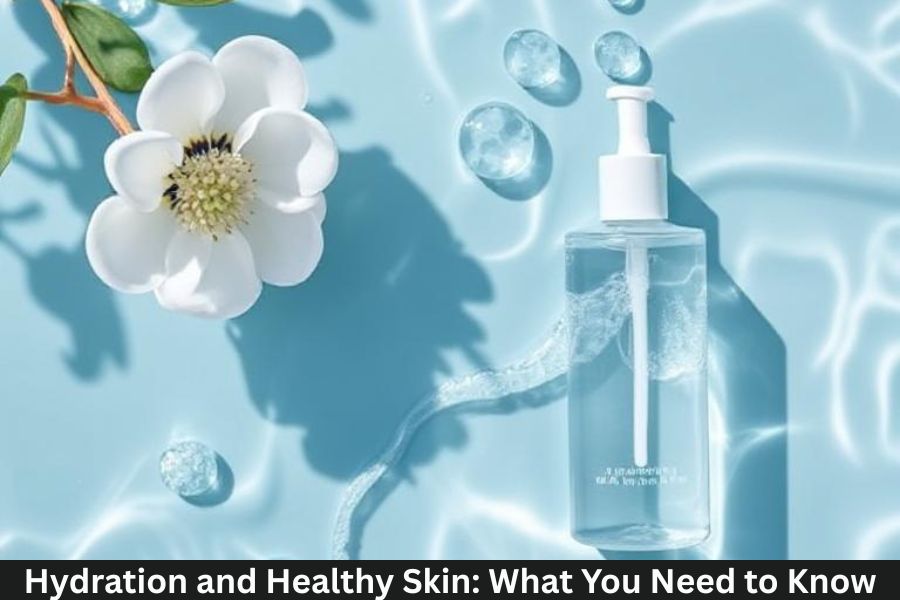
If glowing, smooth skin had a secret sauce, hydration would be it. You can own the fanciest skincare products on the shelf, but without proper hydration, your skin will always look a little… tired. Think of your skin like a grape. When it’s hydrated, it’s plump and juicy. When it’s not? Hello, raisin. Dramatic—but accurate.
Hydration isn’t just a beauty buzzword. It’s a fundamental part of skin health that affects texture, tone, elasticity, and even how your skin ages. Let’s break it all down in a way that actually makes sense—and works in real life.
Why Hydration Is Essential for Skin Health
The Science Behind Skin Hydration
Your skin is made up of cells, lipids, and water. When those cells don’t have enough water, they shrink, making fine lines more visible and skin feel tight or flaky. Hydrated skin cells, on the other hand, function better, repair faster, and reflect light more evenly—hello, glow.
Water vs. Moisture: What’s the Difference?
This is where most people get confused. Water hydrates your skin cells. Moisture locks that hydration in. Drinking water helps from the inside, while moisturizers prevent that water from escaping. You need both for balanced skin.
How Dehydration Shows Up on Your Skin
Dehydrated skin can look dull, feel tight, appear more wrinkled, and even produce more oil to compensate. Yes—oily skin can be dehydrated too. Sneaky, right?
Understanding Your Skin Barrier
What the Skin Barrier Actually Does
Your skin barrier is like a brick wall. Skin cells are the bricks, and lipids are the mortar holding everything together. Its job is to keep good stuff in (like hydration) and bad stuff out (like pollutants and bacteria).
Signs of a Compromised Skin Barrier
Redness, sensitivity, breakouts, itching, and excessive dryness are all signs your barrier is waving a white flag. When the barrier is damaged, hydration escapes faster than you can replace it.
Hydration’s Role in Barrier Repair
Hydration supports lipid production and helps repair tiny cracks in the barrier. Without enough moisture, your skin simply can’t heal properly.
Internal Hydration: Drinking for Better Skin
How Much Water Do You Really Need?
You’ve heard the “8 glasses a day” rule, but hydration needs vary. Activity level, climate, diet, and even caffeine intake all matter. A good rule of thumb? Drink enough so your urine is pale yellow—and listen to your thirst.
Hydrating Foods That Boost Skin Health
Watermelon, cucumber, oranges, strawberries, and leafy greens are loaded with water and skin-friendly nutrients. Eating your water counts—and your skin knows the difference.
Drinks That Dehydrate Your Skin
Alcohol and excessive caffeine can dehydrate you, making skin look dull and puffy. Balance is key. For every coffee or cocktail, add a glass of water.
External Hydration: Skincare That Delivers Moisture
Hydrating Cleansers Explained
If your cleanser leaves your skin squeaky clean, it’s probably too harsh. Hydrating cleansers clean without stripping natural oils, setting the stage for better moisture retention.
Serums, Essences, and Toners
These lightweight layers deliver hydration deep into the skin. Applying them to damp skin helps seal in water—like watering a plant before mulching.
Moisturizers and Occlusives
Moisturizers hydrate and soften, while occlusives (like petrolatum or shea butter) lock everything in. Especially important at night.
Key Hydrating Ingredients Your Skin Craves
Hyaluronic Acid
A hydration magnet that attracts and holds water in the skin. It plumps fine lines and works for all skin types.
Glycerin and Aloe Vera
Glycerin pulls water into the skin, while aloe soothes and hydrates. Together, they’re like a tall glass of water for your face.
Ceramides and Squalane
These strengthen the skin barrier and prevent moisture loss. Think of them as the bodyguards protecting your hydration.
Humectants vs. Emollients vs. Occlusives
- Humectants attract water
- Emollients smooth skin
- Occlusives seal moisture in
Healthy skin needs all three.
Hydration by Skin Type
Dry Skin
Needs rich creams, gentle cleansing, and layered hydration. Oils can help seal in moisture.
Oily and Acne-Prone Skin
Lightweight, oil-free hydration prevents overproduction of oil. Skipping moisturizer often makes breakouts worse.
Sensitive Skin
Fewer ingredients, fragrance-free formulas, and barrier-repairing products are your best friends.
Combination Skin Challenges
Hydrate dry areas while keeping oily zones balanced. Layering products strategically works wonders.
Seasonal Hydration Needs
Winter Skin Survival
Cold air and indoor heating suck moisture from your skin. Switch to richer creams and avoid hot showers that strip oils.
Summer Hydration Strategies
Lightweight gels, mists, and increased water intake keep skin fresh without clogging pores.
Common Hydration Myths Debunked
“Oily Skin Doesn’t Need Moisturizer”
False. Oily skin still needs hydration—just the right kind.
“Drinking More Water Fixes Everything”
Water helps, but without topical hydration, much of it never reaches the outer skin layers.
Lifestyle Habits That Affect Skin Hydration
Sleep and Skin Moisture
Your skin repairs itself while you sleep. Poor sleep equals dull, dehydrated skin.
Stress, Hormones, and Hydration
Stress hormones disrupt the skin barrier, increasing water loss. Relaxation is skincare too.
Environmental Factors
Pollution, air conditioning, and heating all contribute to dehydration. Antioxidants and moisturizers help counteract this.
Professional Treatments That Boost Hydration
Facials and Skin Infusions
Hydrating facials and treatments deliver moisture deep into the skin for an instant glow.
When to See a Dermatologist
Persistent dryness or irritation may signal an underlying condition that needs professional care.
Hydration Mistakes to Avoid
Over-Cleansing
Washing too often strips natural oils and worsens dehydration.
Skipping Sunscreen
Sun damage weakens the skin barrier, causing moisture loss. Hydration and SPF go hand in hand.
Long-Term Benefits of Well-Hydrated Skin
Aging Gracefully with Hydration
Hydrated skin shows fewer lines, better elasticity, and a healthier appearance over time.
Improved Texture and Glow
Consistent hydration leads to smoother, brighter, more even-looking skin—no filter needed.
Conclusion
Hydration isn’t a trend—it’s a lifelong skin essential. From what you drink to what you apply, every choice adds up. When your skin is properly hydrated, it’s stronger, calmer, and more radiant. So drink up, layer smart, and remember: healthy skin starts with hydration.
FAQs
1. Can dehydrated skin cause breakouts?
Yes. Dehydrated skin may produce more oil, leading to clogged pores.
2. Is hyaluronic acid safe for sensitive skin?
Generally yes, especially when combined with soothing ingredients.
3. How often should I moisturize my skin?
At least twice daily—morning and night.
4. Does drinking water directly hydrate my skin?
It helps overall health, but topical products are needed to hydrate the skin’s surface.
5. Can weather really affect skin hydration?
Absolutely. Temperature, humidity, and wind all impact moisture levels.

Betso88 legit or not, that’s the question! Been burned before, so gotta do my research. Anyone got the inside scoop on betso88legitornot? Is it the real deal or a scam?
Just used bhtclublogin.info to get back into BHT Club. Quick and easy login process I must say. Definitely recommend using the link! Check bhtclublogin out now.
I conceive you have mentioned some very interesting details , thankyou for the post.
Can I simply say what a reduction to search out somebody who really knows what theyre talking about on the internet. You positively know how one can carry an issue to light and make it important. Extra folks have to learn this and perceive this aspect of the story. I cant believe youre no more well-liked because you definitely have the gift.
Wonderful web site. Plenty of helpful info here. I’m sending it to some friends ans also sharing in delicious. And naturally, thank you in your sweat!
Howdy! Would you mind if I share your blog with my myspace group? There’s a lot of folks that I think would really appreciate your content. Please let me know. Cheers
you’re in reality a just right webmaster. The web site loading speed is incredible. It kind of feels that you are doing any unique trick. Furthermore, The contents are masterpiece. you have done a wonderful process on this matter!
Your point of view caught my eye and was very interesting. Thanks. I have a question for you.
F*ckin’ tremendous things here. I’m very satisfied to see your post. Thanks a lot and i’m taking a look ahead to contact you. Will you kindly drop me a mail?
Real superb information can be found on weblog. “The greatest mistake is trying to be more agreeable than you can be.” by Walter Bagehot.
you have got an amazing blog here! would you prefer to make some invite posts on my weblog?
F*ckin’ amazing issues here. I’m very satisfied to peer your post. Thank you a lot and i’m having a look forward to contact you. Will you please drop me a mail?
Fantastic web site. Plenty of useful info here. I am sending it to some friends ans also sharing in delicious. And certainly, thanks for your effort!
Thanks for sharing superb informations. Your web site is so cool. I’m impressed by the details that you’ve on this web site. It reveals how nicely you understand this subject. Bookmarked this web page, will come back for more articles. You, my friend, ROCK! I found just the information I already searched all over the place and simply could not come across. What an ideal website.
Just wanna comment on few general things, The website design is perfect, the content is rattling excellent. “Good judgment comes from experience, and experience comes from bad judgment.” by Barry LePatner.
I am often to blogging and i really appreciate your content. The article has really peaks my interest. I am going to bookmark your site and keep checking for new information.
Can I simply say what a relief to find somebody who really is aware of what theyre talking about on the internet. You undoubtedly know easy methods to bring a problem to light and make it important. More people have to learn this and perceive this side of the story. I cant imagine youre no more common because you positively have the gift.
It’s arduous to seek out knowledgeable people on this subject, however you sound like you already know what you’re talking about! Thanks
I really wanted to write a quick message so as to appreciate you for the remarkable facts you are giving at this site. My time consuming internet research has at the end of the day been compensated with reasonable content to go over with my best friends. I ‘d admit that many of us visitors actually are undoubtedly lucky to dwell in a fine website with very many awesome professionals with helpful ideas. I feel truly grateful to have come across your web pages and look forward to many more enjoyable minutes reading here. Thanks once more for everything.
This is the right blog for anyone who wants to find out about this topic. You realize so much its almost hard to argue with you (not that I actually would want…HaHa). You definitely put a new spin on a topic thats been written about for years. Great stuff, just great!
you’re in reality a just right webmaster. The website loading pace is incredible. It seems that you are doing any distinctive trick. Furthermore, The contents are masterwork. you have performed a great task on this subject!
I do agree with all of the ideas you’ve presented in your post. They are really convincing and will certainly work. Still, the posts are too short for novices. Could you please extend them a bit from next time? Thanks for the post.
certainly like your web site however you have to take a look at the spelling on quite a few of your posts. Several of them are rife with spelling issues and I to find it very troublesome to inform the reality nevertheless I’ll certainly come again again.
This web site is mostly a stroll-through for the entire information you wished about this and didn’t know who to ask. Glimpse right here, and you’ll definitely uncover it.
I was curious if you ever considered changing the page layout of your website? Its very well written; I love what youve got to say. But maybe you could a little more in the way of content so people could connect with it better. Youve got an awful lot of text for only having 1 or two pictures. Maybe you could space it out better?
I was very happy to find this net-site.I wished to thanks for your time for this excellent read!! I undoubtedly enjoying every little little bit of it and I have you bookmarked to take a look at new stuff you weblog post.
This web site is really a walk-through for all of the info you wanted about this and didn’t know who to ask. Glimpse here, and you’ll definitely discover it.
Rattling fantastic visual appeal on this site, I’d rate it 10 10.
I know this if off topic but I’m looking into starting my own blog and was curious what all is required to get setup? I’m assuming having a blog like yours would cost a pretty penny? I’m not very web smart so I’m not 100 sure. Any tips or advice would be greatly appreciated. Kudos
I was studying some of your posts on this internet site and I believe this web site is rattling instructive! Retain posting.
I know this if off topic but I’m looking into starting my own blog and was wondering what all is needed to get setup? I’m assuming having a blog like yours would cost a pretty penny? I’m not very web savvy so I’m not 100 sure. Any recommendations or advice would be greatly appreciated. Kudos
Please let me know if you’re looking for a article author for your weblog. You have some really great articles and I feel I would be a good asset. If you ever want to take some of the load off, I’d love to write some content for your blog in exchange for a link back to mine. Please shoot me an e-mail if interested. Cheers!
Good web site! I truly love how it is simple on my eyes and the data are well written. I am wondering how I might be notified when a new post has been made. I have subscribed to your RSS feed which must do the trick! Have a nice day!
Hi, just required you to know I he added your site to my Google bookmarks due to your layout. But seriously, I believe your internet site has 1 in the freshest theme I??ve came across. It extremely helps make reading your blog significantly easier.
There’s noticeably a bundle to know about this. I assume you made certain good factors in options also.
Really great information can be found on web blog. “Never violate the sacredness of your individual self-respect.” by Theodore Parker.
I have read some good stuff here. Definitely value bookmarking for revisiting. I surprise how a lot attempt you set to create this type of excellent informative website.
Nice post. I was checking constantly this blog and I’m impressed! Very useful info specifically the last part 🙂 I care for such information much. I was looking for this particular information for a very long time. Thank you and good luck.
Very interesting info !Perfect just what I was looking for!
We’re a group of volunteers and opening a new scheme in our community. Your web site offered us with valuable information to work on. You have done an impressive job and our whole community will be grateful to you.
Spot on with this write-up, I actually think this web site wants rather more consideration. I’ll in all probability be again to learn much more, thanks for that info.
I have read some good stuff here. Definitely worth bookmarking for revisiting. I wonder how much effort you put to create such a excellent informative web site.
Some really superb info , Gladiola I found this.
Utterly pent subject matter, Really enjoyed looking through.
Hey would you mind stating which blog platform you’re using? I’m going to start my own blog in the near future but I’m having a hard time selecting between BlogEngine/Wordpress/B2evolution and Drupal. The reason I ask is because your layout seems different then most blogs and I’m looking for something completely unique. P.S Apologies for being off-topic but I had to ask!
I relish, lead to I discovered exactly what I used to be looking for. You have ended my four day lengthy hunt! God Bless you man. Have a great day. Bye
This is a topic close to my heart cheers, where are your contact details though?
I’ll right away seize your rss as I can not find your e-mail subscription link or newsletter service. Do you’ve any? Please permit me understand in order that I may subscribe. Thanks.
I was studying some of your content on this website and I believe this web site is rattling instructive! Keep on putting up.
I’m truly enjoying the design and layout of your blog. It’s a very easy on the eyes which makes it much more pleasant for me to come here and visit more often. Did you hire out a developer to create your theme? Excellent work!
Just about all of the things you articulate happens to be astonishingly precise and that makes me ponder the reason why I had not looked at this in this light previously. This piece truly did turn the light on for me as far as this specific subject matter goes. However at this time there is just one point I am not really too cozy with and while I try to reconcile that with the main idea of your issue, permit me see what all the rest of your visitors have to point out.Well done.
I do not even know the way I stopped up right here, but I believed this submit was great. I don’t recognize who you are but certainly you are going to a well-known blogger if you are not already 😉 Cheers!
I love your blog.. very nice colors & theme. Did you create this website yourself? Plz reply back as I’m looking to create my own blog and would like to know wheere u got this from. thanks
Thank you for the sensible critique. Me and my neighbor were just preparing to do a little research on this. We got a grab a book from our area library but I think I learned more from this post. I am very glad to see such fantastic information being shared freely out there.
Thanks , I’ve just been searching for information approximately this subject for a long time and yours is the best I’ve discovered till now. However, what about the bottom line? Are you positive in regards to the supply?
It’s perfect time to make some plans for the future and it’s time to be happy. I’ve read this post and if I could I wish to suggest you few interesting things or suggestions. Perhaps you could write next articles referring to this article. I wish to read even more things about it!
There’s noticeably a bundle to find out about this. I assume you made sure good factors in options also.
Very interesting details you have mentioned, thankyou for putting up.
Good day! This post couldn’t be written any better! Reading this post reminds me of my old room mate! He always kept chatting about this. I will forward this write-up to him. Fairly certain he will have a good read. Thanks for sharing!
hello!,I like your writing so much! share we communicate more about your article on AOL? I need a specialist on this area to solve my problem. Maybe that’s you! Looking forward to see you.
I do like the manner in which you have presented this particular issue plus it does give us some fodder for thought. However, because of what I have experienced, I basically hope when the actual opinions pile on that individuals stay on point and in no way get started upon a soap box associated with some other news of the day. Still, thank you for this superb piece and while I do not necessarily go along with the idea in totality, I value the perspective.
Whats up are using WordPress for your blog platform? I’m new to the blog world but I’m trying to get started and create my own. Do you require any coding knowledge to make your own blog? Any help would be really appreciated!
Just what I was searching for, thankyou for putting up.
Thanks for another informative blog. Where else could I get that type of info written in such an ideal way? I have a project that I’m just now working on, and I have been on the look out for such info.
I am glad to be one of many visitants on this great website (:, appreciate it for posting.
Hey there, You’ve done an excellent job. I will definitely digg it and individually suggest to my friends. I’m sure they will be benefited from this web site.
Way cool, some valid points! I appreciate you making this article available, the rest of the site is also high quality. Have a fun.
With every thing that appears to be building inside this subject material, a significant percentage of opinions are generally quite stimulating. However, I beg your pardon, but I do not give credence to your whole suggestion, all be it exciting none the less. It looks to everybody that your commentary are actually not totally rationalized and in reality you are yourself not really fully confident of your point. In any case I did appreciate reading it.
I used to be very pleased to find this internet-site.I wanted to thanks to your time for this glorious read!! I positively having fun with every little little bit of it and I have you bookmarked to take a look at new stuff you weblog post.
Fantastic beat ! I wish to apprentice while you amend your website, how can i subscribe for a blog web site? The account aided me a acceptable deal. I had been tiny bit acquainted of this your broadcast offered bright clear idea