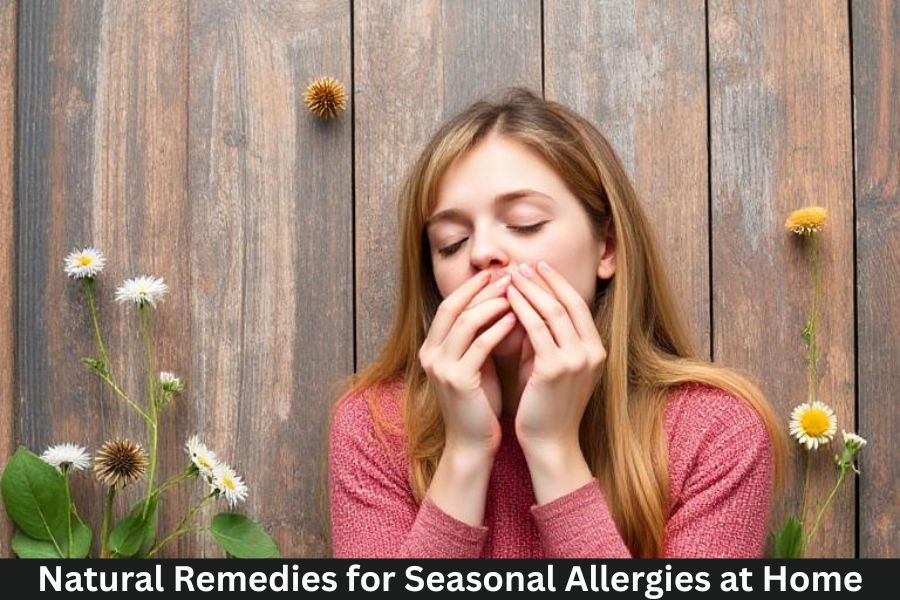
Seasonal allergies can turn beautiful weather into a daily struggle. One minute you’re enjoying spring blooms, the next you’re sneezing nonstop with itchy eyes and a runny nose. Sounds familiar? The good news is you don’t always need medication to find relief. With the right natural remedies for seasonal allergies at home, you can breathe easier and enjoy the seasons again.
Let’s walk through practical, natural, and easy-to-follow solutions that actually work.
Understanding Seasonal Allergies
What Are Seasonal Allergies?
Seasonal allergies, also known as hay fever or allergic rhinitis, happen when your immune system overreacts to airborne allergens like pollen, mold spores, or grass.
Common Triggers Throughout the Year
- Spring: Tree pollen
- Summer: Grass pollen
- Fall: Weed pollen and mold
- Winter: Indoor allergens like dust mites
Why Symptoms Feel Worse at Certain Times
Weather, wind, and humidity affect how allergens spread. A breezy day can feel like pollen confetti floating straight into your nose.
Common Symptoms of Seasonal Allergies
Nasal and Sinus Symptoms
- Sneezing
- Runny or blocked nose
- Sinus pressure
Skin and Eye Reactions
- Itchy, watery eyes
- Redness
- Skin rashes in sensitive people
Allergy Symptoms vs Cold Symptoms
Unlike a cold, allergies don’t cause fever and can last for weeks or months.
Can Seasonal Allergies Be Managed Naturally?
When Home Remedies Work Best
Natural remedies are especially effective for mild to moderate allergy symptoms and as preventive care.
Knowing Your Body’s Limits
If symptoms become severe or interfere with daily life, it’s important to seek medical advice.
Improving Indoor Air Quality
Keeping Allergens Out of Your Home
- Close windows during high pollen hours
- Use door mats to trap pollen
- Keep pets clean after outdoor walks
Cleaning Habits That Reduce Allergies
Vacuum regularly with a HEPA filter, wash curtains, and change bed linens weekly.
Natural Remedies for Nasal Congestion
Steam Inhalation
Steam opens nasal passages and loosens mucus. Add a few drops of eucalyptus oil for extra relief.
Saline Nasal Rinse
A saline rinse flushes allergens from your nasal passages. It’s like giving your sinuses a fresh shower.
Essential Oils for Clear Breathing
Peppermint and eucalyptus oils help reduce congestion when inhaled safely.
Herbal and Natural Ingredients That Help
Local Honey and Its Benefits
Consuming local honey may help your body gradually adapt to local pollen.
Ginger and Turmeric for Inflammation
Both have natural anti-inflammatory properties that calm allergic reactions.
Herbal Teas That Soothe Allergy Symptoms
- Green tea
- Nettle tea
- Chamomile tea
Foods That Fight Seasonal Allergies
Anti-Inflammatory Foods
Fatty fish, olive oil, leafy greens, and berries help reduce inflammation.
Vitamin C-Rich Fruits and Vegetables
Oranges, lemons, bell peppers, and strawberries boost immunity and act as natural antihistamines.
Foods to Avoid During Allergy Season
Dairy and processed foods may increase mucus production for some people.
Strengthening Immunity Naturally
The Role of Gut Health
A healthy gut supports a balanced immune response, reducing allergy flare-ups.
Probiotics and Fermented Foods
Yogurt, kefir, kimchi, and sauerkraut support beneficial gut bacteria.
Lifestyle Changes That Reduce Allergy Flare-Ups
Showering and Clothing Habits
Shower after outdoor activities to wash away pollen from skin and hair.
Managing Outdoor Exposure
Avoid outdoor activities early morning when pollen counts are highest.
Natural Remedies for Itchy Eyes
Cold Compress Therapy
A cold compress reduces redness and itching instantly.
Rose Water and Chamomile
Both have soothing properties that calm irritated eyes when used safely.
Stress and Seasonal Allergies
How Stress Worsens Allergy Symptoms
Stress weakens the immune system, making reactions more intense.
Relaxation Techniques That Help
- Deep breathing
- Meditation
- Gentle yoga
Sleep Tips During Allergy Season
Bedroom Setup for Allergy Relief
Use hypoallergenic pillows, keep pets out, and clean air vents regularly.
Best Sleeping Positions
Sleeping with your head elevated reduces nasal congestion.
Safe Home Remedies for Children and Elderly
Gentle Natural Options
Steam inhalation, saline rinses, and warm fluids are safe and effective.
When to Avoid Certain Remedies
Essential oils and herbs should be used cautiously with children and older adults.
When to Seek Medical Advice
Warning Signs You Shouldn’t Ignore
- Difficulty breathing
- Wheezing
- Persistent sinus infections
Combining Natural Remedies with Treatment
Natural remedies can complement medical care, not replace it when needed.
Conclusion
Seasonal allergies don’t have to control your life. With simple changes, natural remedies, and mindful habits, you can reduce symptoms and enjoy each season comfortably. Think of it as working with your body instead of against it—small, consistent steps can make a big difference.
FAQs
1. How long do natural remedies take to work for allergies?
Some provide instant relief, while others work gradually over days or weeks.
2. Is local honey scientifically proven for allergies?
Evidence is mixed, but many people report symptom improvement.
3. Can children use natural allergy remedies?
Yes, but always choose gentle options and consult a doctor if unsure.
4. Are essential oils safe for allergies?
They can help when used properly but should never be ingested without guidance.
5. Can seasonal allergies go away on their own?
They may lessen over time, but preventive care helps manage symptoms better.


Can you be more specific about the content of your article? After reading it, I still have some doubts. Hope you can help me.
I don’t think the title of your article matches the content lol. Just kidding, mainly because I had some doubts after reading the article. https://www.binance.bh/register?ref=L4EUT9FG
2mlcvf
Digital entertainment on smartphones increasingly revolves around community features, shared milestones, and interactive competitions. Ethereum casino platforms mirror this direction, attracting users who enjoy exchanging achievements, joining themed events, and maintaining ongoing connections within active virtual spaces during 2026.
My usual response to new bookmarks is to forget them but this one I have already returned to twice, and a look at melqavo pulled me back a third time, the actual return rate to bookmarked sites is the real measure of value and this one is clearing that measure at a notable rate already.
An interesting discussion is worth comment. I think that you should write more on this topic, it might not be a taboo subject but generally people are not enough to speak on such topics. To the next. Cheers
Your point of view caught my eye and was very interesting. Thanks. I have a question for you. https://accounts.binance.bh/register/person?ref=IXBIAFVY
I don’t think the title of your article matches the content lol. Just kidding, mainly because I had some doubts after reading the article. https://accounts.binance.bh/register/person?ref=IHJUI7TF
Very interesting information!Perfect just what I was searching for!
I wanted to make a brief message to be able to appreciate you for all the marvelous tips and tricks you are giving out at this website. My time-consuming internet lookup has finally been paid with pleasant content to share with my visitors. I ‘d say that many of us visitors actually are truly lucky to exist in a fantastic site with many awesome people with very helpful guidelines. I feel very happy to have discovered your web page and look forward to so many more awesome times reading here. Thanks a lot again for a lot of things.
Hello, you used to write fantastic, but the last several posts have been kinda boring?K I miss your great writings. Past several posts are just a little bit out of track! come on!
You can definitely see your enthusiasm in the paintings you write. The sector hopes for more passionate writers like you who aren’t afraid to mention how they believe. All the time follow your heart.
I just could not depart your site prior to suggesting that I actually enjoyed the standard information a person provide for your visitors? Is gonna be back often in order to check up on new posts
Hey! I’m at work browsing your blog from my new iphone 4! Just wanted to say I love reading your blog and look forward to all your posts! Keep up the superb work!
Nice post. I learn something more challenging on different blogs everyday. It will always be stimulating to read content from other writers and practice a little something from their store. I’d prefer to use some with the content on my blog whether you don’t mind. Natually I’ll give you a link on your web blog. Thanks for sharing.
I’m impressed, I must say. Really rarely do I encounter a blog that’s each educative and entertaining, and let me let you know, you could have hit the nail on the head. Your concept is outstanding; the difficulty is one thing that not sufficient people are speaking intelligently about. I am very comfortable that I stumbled across this in my seek for something relating to this.
Hmm is anyone else experiencing problems with the pictures on this blog loading? I’m trying to figure out if its a problem on my end or if it’s the blog. Any feedback would be greatly appreciated.
I went over this internet site and I conceive you have a lot of good information, saved to favorites (:.
Throughout this grand scheme of things you get an A with regard to effort and hard work. Where exactly you misplaced me was in your facts. You know, people say, details make or break the argument.. And that couldn’t be much more correct right here. Having said that, let me inform you what exactly did do the job. Your article (parts of it) is rather powerful and this is most likely why I am taking the effort in order to opine. I do not really make it a regular habit of doing that. Next, while I can notice a jumps in reasoning you come up with, I am not really convinced of exactly how you seem to unite your details which inturn help to make your conclusion. For now I will, no doubt subscribe to your point but wish in the near future you actually link the dots better.
Very nice info and straight to the point. I don’t know if this is truly the best place to ask but do you people have any thoughts on where to hire some professional writers? Thank you 🙂