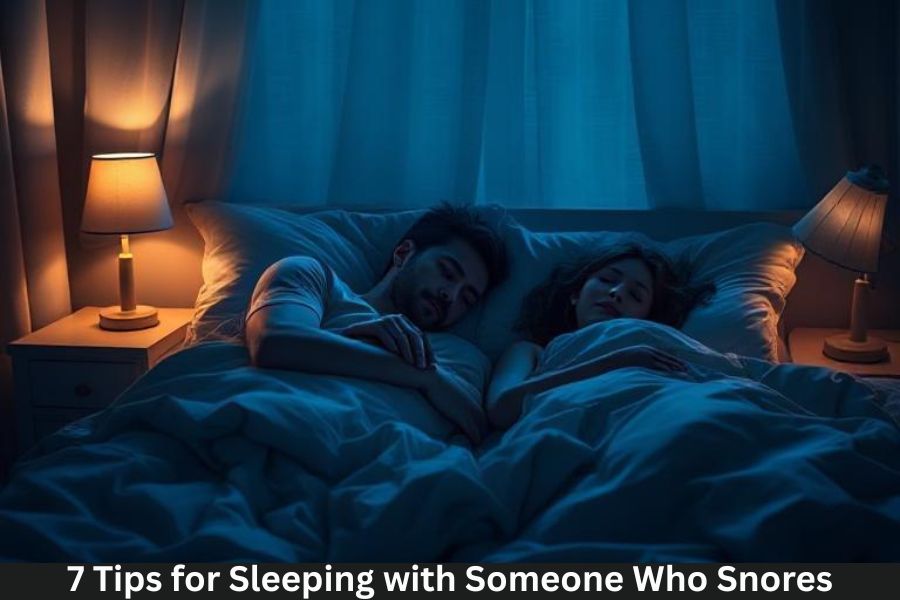
Sleeping next to someone who snores can feel like sharing a bed with a chainsaw. You love them, sure—but at 2:37 a.m., love gets tested. Snoring isn’t just a harmless nighttime quirk; it can seriously mess with sleep quality, mood, productivity, and even relationships. The good news? You don’t have to choose between rest and romance.
Why Snoring Is a Common Sleep Problem
Snoring happens when airflow is partially blocked during sleep, causing tissues in the throat to vibrate. It’s incredibly common, affecting millions of adults worldwide. Stress, lifestyle habits, sleep position, and health conditions all play a role.
How Snoring Affects Relationships and Sleep Quality
Lack of sleep can turn even the calmest person into a grumpy zombie. Over time, resentment can build, intimacy can suffer, and simple conversations can turn into arguments. Fixing the sleep issue isn’t just about quiet nights—it’s about protecting your connection.
Understanding Snoring Before Fixing It
Before jumping into solutions, it helps to understand what you’re dealing with. Snoring isn’t one-size-fits-all.
What Causes Snoring?
Lifestyle Factors
Alcohol before bed, smoking, dehydration, and being overtired can all increase snoring. Think of your throat muscles like rubber bands—relaxed too much, they flop around and vibrate.
Health-Related Causes
Allergies, nasal congestion, deviated septum, and obesity can contribute. In some cases, snoring is linked to more serious conditions.
When Snoring Becomes a Medical Concern
If snoring is loud, chronic, and accompanied by gasping or pauses in breathing, it could be sleep apnea. That’s not something to ignore.
Tip #1 – Communicate Without Blame
This is where everything starts.
Choosing the Right Time to Talk
Don’t bring it up at 3 a.m. while glaring into the darkness. Choose a calm, well-rested moment during the day.
Using Empathy Instead of Frustration
Instead of “You keep me awake all night,” try “I’ve been struggling to sleep, and I think we can fix this together.” Same message, totally different vibe.
Tip #2 – Optimize Sleeping Positions
Sometimes, the solution is as simple as a roll to the side.
Why Back Sleeping Makes Snoring Worse
When someone sleeps on their back, gravity pulls the tongue and soft tissues backward, narrowing the airway.
Best Positions to Reduce Snoring
Side sleeping is the MVP here. Body pillows, tennis-ball tricks, or adjustable beds can help keep your partner off their back.
Tip #3 – Upgrade Your Sleep Environment
If you can’t silence the snoring, mask it.
White Noise and Sound Masking
White noise machines, fans, or even rain sounds can blend the snoring into background noise, making it less jarring.
Earplugs: Pros and Cons
Earplugs are effective but not for everyone. Comfort matters—if they hurt, you won’t sleep anyway.
Bedroom Layout Adjustments
Sometimes spacing helps. A bigger bed or mattress that absorbs motion and sound can make a surprising difference.
Tip #4 – Encourage Healthier Habits
This one’s about long-term improvement.
Weight Management and Exercise
Even modest weight loss can reduce snoring by decreasing pressure on the airway.
Reducing Alcohol and Smoking
Alcohol relaxes throat muscles, and smoking inflames airways. Cutting back can dramatically reduce noise levels.
Establishing a Consistent Sleep Schedule
Regular sleep times help regulate breathing patterns and improve overall sleep quality.
Tip #5 – Try Anti-Snoring Tools and Products
Modern problems call for modern solutions.
Nasal Strips and Dilators
These open nasal passages and are affordable, low-risk options worth trying first.
Mouthguards and Oral Appliances
Custom or over-the-counter mouthpieces reposition the jaw to keep airways open. They look weird but work well for many.
Smart Sleep Technology
From snore-tracking apps to adjustable beds, tech can provide insights and relief you didn’t know you needed.
Tip #6 – Adjust Your Own Sleep Routine
Sometimes, the fix starts with you.
Going to Bed Earlier
Falling asleep before the snoring starts can help you stay asleep through it.
Improving Your Sleep Hygiene
Limit screen time, keep the room cool, and create a calming bedtime ritual. Better sleep makes you more resilient to noise.
Power Naps and Sleep Recovery
If nighttime sleep takes a hit, short daytime naps can help balance things out—just don’t overdo it.
Tip #7 – Know When to Seek Professional Help
Some problems need expert input.
Signs of Sleep Apnea
Choking sounds, excessive daytime sleepiness, morning headaches, and irritability are red flags.
Consulting a Sleep Specialist
A sleep study can uncover underlying issues and open the door to effective treatment.
Supporting Your Partner Through Treatment
Encouragement matters. Treatment works best when it feels like teamwork, not punishment.
Emotional Impact of Sleeping with a Snorer
Sleep deprivation isn’t just physical—it’s emotional.
Avoiding Resentment
Address the issue early. Unspoken frustration grows fast in the dark.
Strengthening the Relationship Despite Sleep Issues
Working through this together can actually improve communication and trust. Weirdly enough, snoring can bring couples closer—once it’s handled.
Conclusion
Sleeping with someone who snores doesn’t have to feel like a nightly endurance test. With honest communication, small lifestyle changes, smart tools, and a little patience, restful nights are absolutely possible. Remember, good sleep isn’t a solo mission—it’s a team effort. When both partners are rested, everyone wins.
FAQs
1. Is snoring always a sign of a serious health problem?
No, occasional snoring is common. However, loud and chronic snoring may signal sleep apnea and should be evaluated.
2. Do earplugs damage hearing if used every night?
When used correctly and kept clean, earplugs are generally safe for nightly use.
3. Can stress make snoring worse?
Yes, stress can disrupt sleep patterns and relax airway muscles, increasing snoring.
4. Should couples sleep in separate rooms because of snoring?
It’s a personal choice. Temporary separate sleeping can help, but addressing the root cause is better long-term.
5. What’s the fastest way to reduce snoring tonight?
Side sleeping, avoiding alcohol, and using nasal strips are quick fixes that often help immediately.



Thank you for your sharing. I am worried that I lack creative ideas. It is your article that makes me full of hope. Thank you. But, I have a question, can you help me? https://accounts.binance.com/register-person?ref=IHJUI7TF
Can you be more specific about the content of your article? After reading it, I still have some doubts. Hope you can help me. https://accounts.binance.com/zh-TC/register?ref=DCKLL1YD